When flu season arrives and you’re reaching for that familiar bottle of NyQuil, it’s essential to consider whether it’s still effective and safe to use. Like many medications, NyQuil does have an expiration date, and understanding what it means for your health can significantly impact your recovery. Expired medications may not only lose potency, but they can also raise concerns about safety. As you ponder whether to use that old bottle in your medicine cabinet, you’ll want to learn about the implications of using NyQuil past its expiration date. This article delves into the safety and effectiveness of NyQuil after it has expired, helping you make informed decisions that ensure your health and well-being.
Can NyQuil Expire? Understanding Expiration Dates
NyQuil is widely recognized as a go-to remedy for alleviating cold and flu symptoms, especially at bedtime. However, many people often overlook the importance of its expiration date, raising the question of whether NyQuil can expire and what that means for its safety and efficacy. Drug manufacturers assign expiration dates based on stability studies that determine how long a product maintains its intended potency and safety levels. Typically, these dates are set for one to three years from the date of manufacture, depending on the formulation and active ingredients.
Understanding any medication’s expiration date, including NyQuil, is crucial. After this date, the effectiveness of the active ingredients may decline, which means you might not experience the intended relief from symptoms if you decide to use expired NyQuil. While many medications can still remain potent for a period beyond their expiration date-sometimes years-there are no guarantees. It’s vital to pay attention to your product’s packaging and trust the manufacturer’s assessment as to the medication’s viability.
Storing NyQuil properly can also extend its shelf-life. It should be kept in a cool, dry place away from direct sunlight, and ideally in its original container to protect it from moisture and contaminants. By adhering to these storage guidelines, you can help ensure that your NyQuil remains as effective as possible until its expiration date.
The Science Behind Drug Expiration Dates
Understanding the expiration dates of medications like NyQuil revolves around the chemistry behind drug formulation and stability. Manufacturers conduct rigorous stability testing to determine how long a medication maintains its potency, safety, and overall effectiveness. This process involves analyzing how the active ingredients react over time when exposed to various environmental conditions like temperature, humidity, and light. The results of these tests inform the expiration date printed on the packaging, which typically spans one to three years after the date of manufacture.
The expiration date signifies the manufacturer’s assurance that the medication will retain its intended effectiveness and safety up until that point. However, it’s important to emphasize that this does not mean the medication will become dangerous immediately after the expiration date; rather, the active ingredients may begin to degrade, potentially reducing their efficacy. For NyQuil, which is formulated to alleviate cold and flu symptoms, using it beyond its expiration date might mean it won’t provide the intended relief.
Factors influencing a drug’s longevity include the formulation components, the packaging, and storage conditions. For instance, liquids like NyQuil might be more susceptible to changes in temperature and light compared to solid medications. Thus, understanding how to properly store NyQuil-keeping it in a cool, dry place and securely capped in its original container-can significantly aid in maintaining its stability, even approaching its expiration date.
Overall, while much can be learned from the science behind medication expiration, it’s best to approach the use of expired medications, including NyQuil, with caution. Consulting a healthcare provider ensures that any decisions regarding medication use are informed by reliable, personalized advice, particularly when symptoms persist or worsen.
Safety Considerations for Expired NyQuil
Using expired NyQuil presents a series of safety considerations that are essential for users to understand. While the expiration date represents the manufacturer’s guarantee of efficacy and safety, it doesn’t automatically imply that the medication becomes unsafe immediately after that date. The chemical stability of NyQuil, which contains active ingredients like acetaminophen, dextromethorphan, and doxylamine, can degrade over time, leading to diminished effectiveness in alleviating cold and flu symptoms.
When contemplating the use of expired NyQuil, it’s crucial to be aware of the potential risks involved. Over time, the active ingredients can break down or transform, resulting in an unpredictable experience where the medication may not perform as expected. In addition, individual reactions can vary; some people may experience side effects from degraded compounds that would otherwise be absent in unexpired formulations. For safe usage, it’s best to dispose of any NyQuil that has passed its expiration date, especially since using ineffective medications could prolong discomfort or delay appropriate treatment.
To help mitigate risk, adhere to the following safety practices:
- Check Expiration Date: Always look at the expiration date before using any medication.
- Avoid Any Signs of Contamination: If the NyQuil liquid appears discolored, has sediment, or smells odd, do not use it.
- Consult Healthcare Professionals: If you have any doubts about using expired medications, seek advice from a healthcare provider.
- Appropriate Disposal: Dispose of expired medications in accordance with local guidelines to ensure safety.
Understanding these considerations will enable you to make informed decisions regarding the use of expired NyQuil and enhance your overall health and safety. Always treat your health as a priority by consulting with healthcare professionals whenever you are unsure about medication usage.
Effectiveness of NyQuil After Expiration
Using medication past its expiration date can raise many questions, especially regarding its effectiveness. NyQuil, a popular over-the-counter remedy for cold and flu symptoms, contains active ingredients like acetaminophen, dextromethorphan, and doxylamine, which can degrade over time. While some medications may retain their effectiveness for a short period beyond the expiration date, many experts caution against using them as a reliable treatment.
After the expiration date, NyQuil may not provide the desired relief from symptoms such as cough, fever, and nasal congestion due to the breakdown of its active components. The specific timeframe for the loss of efficacy can vary based on storage conditions, such as exposure to heat, light, or humidity, which can accelerate chemical degradation. Additionally, individual responses may differ; while one person might feel no effect from expired medication, another could experience unexpected side effects from the breakdown products, further complicating its use.
If you must consider using NyQuil after its expiration date, it’s vital to assess its appearance closely. Any changes in color, consistency, or odor could indicate that the medication has gone bad and should not be consumed. Ultimately, if there is any doubt about the safety or effectiveness of expired NyQuil, it is advisable to consult a healthcare professional. Ensuring you have access to effective and safe medication is crucial for your health, especially when dealing with cold and flu symptoms.
Signs That NyQuil Has Gone Bad
It’s essential to recognize the signs that your NyQuil may have gone bad, as using expired medication can lead to ineffective treatment or even potential harm. Here are some critical indicators to watch for that suggest your NyQuil may no longer be safe to use:
Changes in Color and Clarity
NyQuil typically has a distinct dark green or dark blue color depending on the formulation. If you notice that the liquid has become significantly darker or changed to an unusual color, it’s a red flag. Additionally, the solution should be clear. Any floating particles or cloudiness indicate contamination or degradation, suggesting that the medication should not be consumed.
Altered Consistency
The texture of NyQuil is generally smooth and syrupy. If you find that it has become thicker or unusually viscous, this could mean that the active ingredients have started to break down or that other changes have occurred within the mixture. A change in consistency can impair its effectiveness as a cold and flu remedy.
Unusual Odor
A fresh bottle of NyQuil should have a characteristic medicinal odor. Should you detect any sour, musty, or otherwise unpleasant smells, it could indicate spoilage. Odor is a strong indicator of the overall condition of a medication and should never be overlooked.
Unexplained Side Effects
If you’ve previously taken NyQuil without issues but begin to experience unexpected side effects-such as nausea or rashes-it may be an indication that the medication is no longer effective or is breaking down into other compounds that could be harmful. If this happens, it’s crucial to stop using the drug and consult a healthcare professional.
To ensure your health and safety, always conduct a thorough examination of NyQuil before use, especially if it is past the expiration date. Taking precautionary measures like monitoring these signs can empower you to make informed decisions about your medications. If any of the above indicators are present, it’s best to err on the side of caution and consult a healthcare provider.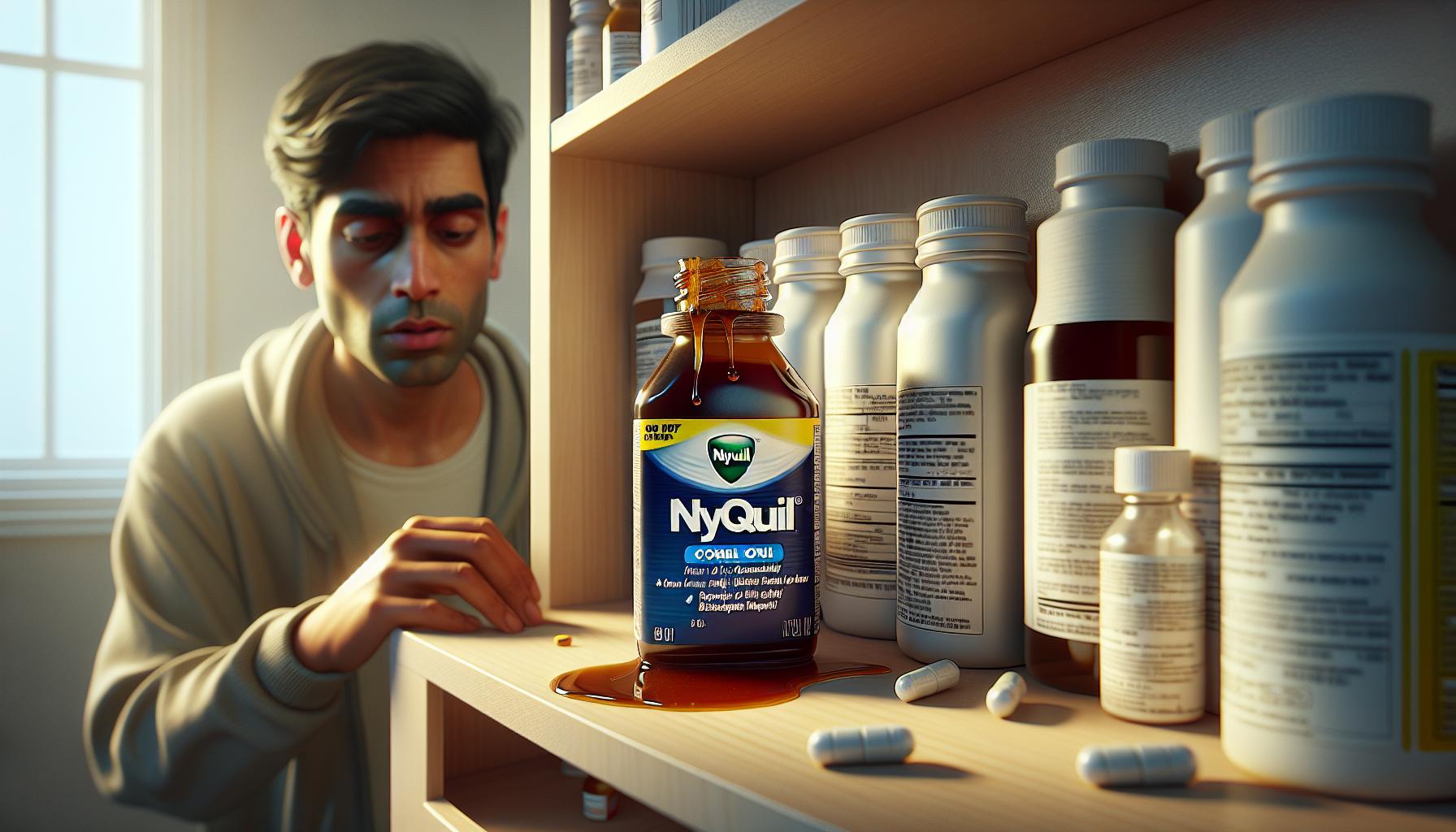
Storing NyQuil: Best Practices for Longevity
Proper storage of NyQuil is crucial for maximizing its shelf life and ensuring its effectiveness when you need it most. By following a few simple guidelines, you can help maintain the drug’s stability and potency, reducing the chances of it expiring prematurely.
- Temperature Control: NyQuil should be stored at room temperature, ideally between 20°C to 25°C (68°F to 77°F). Avoid exposing it to extreme temperatures, such as close to heaters or in direct sunlight, as heat can degrade the active ingredients.
- Humidity Awareness: Keep NyQuil stored in a dry place. High humidity can affect its formulation and lead to contamination. A bathroom shelf may not be ideal unless it is consistently humid-free.
- Airtight Sealing: Ensure the bottle is tightly closed after each use to minimize exposure to air and moisture. This will help preserve its integrity and flavor.
- No Freezing: Never store NyQuil in the freezer, as freezing can alter its consistency and efficacy. The sudden temperature drop can affect the formulation, rendering it less effective.
- Child Safety: If you have children, ensure NyQuil is kept in a secure cabinet, out of their reach. Using childproof caps is an essential safety measure.
By implementing these best practices for storage, you not only extend the life of your NyQuil but also maintain its effectiveness, allowing for reliable use as a remedy for cold and flu symptoms. Be mindful of how and where you keep your medications, as these factors can significantly impact their safety and performance. Always check expiration dates and consult healthcare professionals if you have concerns about any current medications.
Common Misconceptions about Medicines and Expiration
The expiration dates on medicines like NyQuil often lead to misconceptions that can affect how individuals manage their health. One prevalent myth is that medications are immediately unsafe or ineffective once they reach their expiration date. In reality, these dates are often set as a guideline for the period in which the manufacturer can guarantee the medication’s full potency and safety. It’s important to understand that many medications, including NyQuil, might still retain some effectiveness beyond their expiration date, although this can vary depending on the specific drug and its storage conditions.
Another common misunderstanding is that all medications can be safely stored for long periods without losing their effectiveness. While it’s true that certain medications may remain stable for years, others can degrade due to factors like heat, moisture, and light. For NyQuil, exposing it to high humidity or temperature extremes can impair its formulation, leading to a decreased effectiveness long before the expiration date is reached. This underlines the importance of proper storage practices, such as keeping it in a cool, dry place, and ensuring that the container is tightly sealed.
Moreover, it’s a misconception that expired medications can be safely used without concern. While some over-the-counter medications may not pose serious risks if consumed shortly after the expiration date, it is important to note that their safety is not guaranteed. Factors such as changes in chemical composition could potentially lead to harmful effects. Therefore, always exercise caution and consult a healthcare professional if there’s any uncertainty about the safety or efficacy of an expired medication.
In conclusion, clarity regarding medications and their expiration can empower individuals to make informed health decisions. If you find yourself with an expired bottle of NyQuil or any other medication, it’s advisable to consult a healthcare provider. They can provide guidance tailored to your specific health needs and circumstances, ensuring that you prioritize safety and wellness.
How to Safely Dispose of Expired NyQuil
Disposing of expired medications like NyQuil responsibly is crucial not only for safety but also for environmental protection. When medications are not discarded properly, they can contaminate the water supply or pose a risk if ingested by children or pets. Here’s how to ensure you dispose of expired NyQuil safely and effectively.
To start, the best option for disposing of expired over-the-counter medications is to take them to a drug take-back program. Many pharmacies and community organizations hold regular events where you can drop off unused or expired medications. This allows for safe disposal, preventing drugs from ending up in landfills or water systems.
If a take-back program is not available in your area, you can follow these steps to dispose of NyQuil at home:
- Mix with unpalatable substances: Combine NyQuil with an undesirable substance such as dirt, cat litter, or used coffee grounds. This makes the medication less appealing to children and pets.
- Seal the mixture: Place the mixture in a sealed plastic bag or container to prevent leakage.
- Discard with household trash: Throw the sealed container in your household trash bin. Make sure to remove any personal information on the medication container before disposal.
Additionally, always check for specific disposal instructions on the medication label or patient information leaflet. Certain medications may have guidelines that recommend flushing them down the toilet, especially if they are particularly harmful if ingested accidentally.
Lastly, remember to consult with a healthcare professional if you have any uncertainties or specific concerns regarding medication disposal. By following these guidelines, you can help protect your family and the environment while ensuring the safe disposal of expired NyQuil.
Alternatives to NyQuil: Understanding Options
When considering alternatives to NyQuil, it’s important to remember that various over-the-counter and natural remedies can provide relief from cold and flu symptoms. Many people seek options that align better with their personal health needs or preferences, especially if NyQuil is expired or unavailable. Understanding these alternatives can help manage discomfort effectively and safely.
Over-the-Counter Alternatives
Several other medications can serve as effective substitutes for NyQuil. For instance, DayQuil contains similar ingredients but is formulated for daytime use, offering relief without the sedative effects. Robitussin and Mucinex are also popular for targeting cough and mucus buildup. Additionally, medications containing decongestants like pseudoephedrine can help alleviate nasal congestion effectively. It’s crucial to read labels carefully and choose products that specifically address your symptoms to ensure effective relief.
Natural Remedies
If you prefer a more natural approach, various home remedies can also provide comfort during cold and flu season. Honey is known for its soothing properties and can relieve a sore throat. Ginger tea may help with nausea and has anti-inflammatory properties. Additionally, staying well-hydrated with water or herbal teas can support overall recovery. Some individuals find steam inhalation with eucalyptus oil beneficial for relieving nasal congestion. Each of these alternatives offers a way to address symptoms without the use of conventional medications.
When to Consult a Healthcare Professional
It’s essential to consult with a healthcare provider when exploring alternatives, especially if symptoms persist or worsen. A medical professional can help assess your specific situation and recommend the safest and most effective treatments aligned with your health profile. This ensures you’re not only addressing your symptoms but doing so in a way that supports your overall health.
In summary, knowing about alternatives to NyQuil empowers individuals to take control of their symptom management. Whether opting for another over-the-counter medication or embracing natural remedies, there are various paths to comfort that cater to individual needs and preferences. Remember to consult a healthcare professional for personalized advice and treatment options.
When to Consult a Healthcare Professional about Expired Medication
Using expired medications can be a common concern for many, especially when those medications are as widely used as NyQuil. While the expiration date indicates when the manufacturer can guarantee the full potency and safety of the medication, it’s not always clear how to handle products that have surpassed that date. In such instances, it is crucial to consider consulting a healthcare professional for personalized advice.
When unsure about the safety or effectiveness of expired NyQuil, speaking with a healthcare provider can provide guidance tailored to your unique health circumstances. They can help assess whether the medication is still effective for your symptoms or if there are safer alternatives available. This is particularly important if you are managing any underlying health conditions or taking other medications, as expired products could interact unpredictably.
There are several specific scenarios when consulting a healthcare professional becomes essential:
- Persistent Symptoms: If symptoms persist despite taking expired medication, it may indicate that the medication is ineffective, and expert advice can help determine the next steps.
- Severe Reactions: If you experience any adverse reactions after taking an expired product, immediate medical consultation is vital to assess and treat any potential complications.
- Uncertainty About Dosage: If you are unsure about the dosage you have taken of the expired NyQuil, it’s important to consult a professional to avoid any health risks.
Ultimately, while using expired medications might be tempting, consulting with healthcare professionals ensures that you are making informed decisions about your health. They can provide clarity on what to do with expired medications and help navigate any potential risks, ensuring your safe recovery from cold or flu symptoms.
User Experiences: Is Expired NyQuil Effective?
In recent discussions surrounding medicine use, many consumers wonder whether expired medications, particularly those as commonly used as NyQuil, can still provide relief from cold and flu symptoms. Personal anecdotes often emerge: some individuals confess to using expired NyQuil without apparent issues, while others report ineffective results. This spectrum of experiences can be attributed to how various medications change chemically over time.
A key aspect to consider is that while some medications may retain potency beyond their expiration date, NyQuil’s active ingredients-like acetaminophen and diphenhydramine-can degrade. Users often share their stories of taking expired NyQuil during bouts with allergies or colds and questioning its effectiveness. Some report only a mild reduction in symptoms or sedation, which could vary significantly depending on how far past the expiration date the medication was taken. For example, one user recounted feeling more drowsy than relieved, suggesting that the sedative effects may be impacted even if cold symptoms were slightly alleviated.
However, it is crucial for consumers to prioritize safety and efficacy over anecdotal experiences. While some may feel that expired NyQuil worked for them, the inconsistency in reports emphasizes the importance of consulting healthcare professionals. An expired product might pose risks, especially if symptoms worsen or lead to adverse reactions, underscoring the need for professional guidance in such situations.
A responsible approach would be to adhere to expiration dates and consider alternatives or fresh medications when grappling with health issues. If expired NyQuil is discovered while managing cold symptoms, it’s advisable to consult a healthcare provider to determine the best course of action. This ensures that individuals receive the appropriate treatment for their conditions, ultimately promoting safer and more effective relief strategies.
FAQ: Common Questions about NyQuil Expiration
Understanding whether NyQuil can still be effective after its expiration date is a common concern among users. Many individuals find themselves questioning what happens to the medication over time, particularly when they discover an expired bottle in their cabinet. It is important to address these queries thoughtfully, ensuring that consumers are equipped with the right information when making decisions about their health.
One frequent question is, “Is it safe to take expired NyQuil?” While taking NyQuil shortly after its expiration date may not pose immediate danger for many users, the medical efficacy of the medication can be compromised. The active ingredients, such as acetaminophen and diphenhydramine, can degrade, leading to reduced effectiveness. It’s generally advised to prioritize safety and consult a healthcare provider regarding any medication that has passed its expiration date.
Another common inquiry relates to “What are the signs that NyQuil has gone bad?” Look for any changes in the appearance or smell of the medication. If the liquid has changed color, has sediment, or emits an unusual odor, it is best to discard it. Expired medications can also lose their intended effects, prompting a re-evaluation of reliance on these products after their stated expiration to ensure you are receiving optimal treatment.
Lastly, consumers often wonder about “How should I dispose of expired NyQuil?” Proper disposal is not just safe; it’s also crucial for public health. Many local pharmacies have medication take-back programs where you can safely drop off expired medications. If such options are unavailable, you can mix the expired NyQuil with an unpalatable substance, like cat litter or used coffee grounds, before discarding it in the trash to minimize environmental harm.
Understanding the implications of using expired NyQuil is essential. By staying informed and cautious, you can help ensure that your choices regarding cold and flu relief are both safe and effective. Always consider consulting healthcare professionals for personalized advice about medication safety and efficacy.
Frequently asked questions
Q: How long is NyQuil effective after its expiration date?
A: While NyQuil may still be effective for a short time after the expiration date, its potency can decline. Generally, medications are not guaranteed to be safe or effective beyond their listed expiration. It’s best to consult a healthcare professional if you’re considering using expired NyQuil.
Q: What are the risks of taking expired NyQuil?
A: Taking expired NyQuil can pose risks such as decreased effectiveness, allergic reactions, or unexpected side effects. The ingredients may break down and not perform as intended, which could lead to insufficient symptom relief. Always check expiration dates and consult a pharmacist if unsure.
Q: Can I store NyQuil after it expires?
A: It is not recommended to store NyQuil after its expiration date. Once expired, the medication may lose potency and pose safety risks. For optimal effectiveness, dispose of expired medications safely and replace them with a fresh supply.
Q: What should I do if I find expired NyQuil?
A: If you find expired NyQuil, it’s best to dispose of it safely. Check local pharmacy programs or websites for guidelines on medication disposal. Avoid using any expired medication, as it might not be safe or effective.
Q: Does the form of NyQuil (liquid vs. pill) affect its shelf life?
A: Yes, the form of NyQuil can affect its shelf life. Liquid formulations may have a shorter shelf life compared to pills due to the presence of water, which can foster bacterial growth. Always adhere to the expiration date on the specific product you have.
Q: How can I tell if NyQuil has gone bad?
A: Signs that NyQuil has gone bad include an unusual smell, change in color, or separation of ingredients in liquids. If you notice any of these changes, it’s best to avoid using the product and dispose of it safely.
Q: Can expired NyQuil cause side effects?
A: Expired NyQuil may cause unexpected side effects due to potential changes in its chemical composition. While it might not be toxic, the lack of effectiveness can lead to continued symptoms, prompting unintentional overuse of the medication. Consult a healthcare provider for guidance.
Q: Where can I read more about safe disposal methods for expired NyQuil?
A: For safe disposal methods of expired NyQuil, check local pharmacy guidelines or visit community health websites. Additionally, refer to the section on “How to Safely Dispose of Expired NyQuil” for more information.
Wrapping Up
Understanding whether NyQuil can expire is crucial for ensuring your safety and effectiveness during those uncomfortable cold or flu nights. While expiration dates are important, remember that proper storage and responsible usage can extend the life of your medications. If you have lingering questions about NyQuil or how to manage cold and flu symptoms, explore our guides on cold remedies and navigating flu season for more valuable insights.
Don’t hesitate-take charge of your health by double-checking your medicine cabinet today! If you find expired medication, consult with a healthcare professional for the best course of action. For more helpful articles, consider subscribing to our newsletter to stay informed about essential health topics that matter to you. Your wellness journey is just a click away!