Imagine a world where diseases can be cured and age can be reversed through advanced medical techniques. This tantalizing prospect is part of the growing field of cryogenics, which explores the use of extremely low temperatures in medical science. From preserving biological materials to potential future therapies, cryogenics holds promise for revolutionary advancements in healthcare. As scientists continue to unravel its capabilities, understanding the current state and applications of cryogenic technologies becomes crucial for anyone interested in the future of medicine. Join us as we delve into the fascinating realm of cryogenics and its implications for human health, sparking curiosity about what may lie ahead in our quest for innovative medical solutions.
Understanding Cryogenics: An Overview of Concepts
Cryogenics, a fascinating field at the intersection of science and medicine, involves the study and application of materials at extremely low temperatures, typically below -150 degrees Celsius. This discipline is grounded in the principles of thermodynamics and involves a unique set of technologies designed to manipulate matter at sub-zero temperatures. One of the most intriguing aspects of cryogenics is its potential impact on various sectors, including medical science, where it is being explored for applications like tissue preservation and organ storage.
In medical contexts, cryogenic preservation focuses on the ability to freeze biological materials to extend their viability for future use. This is particularly vital in areas such as organ transplantation, where the ability to store organs at low temperatures can significantly reduce the shortage and improve success rates for transplants. The process ensures that cells remain intact and functional, allowing for better outcomes when these tissues are thawed and used in medical procedures. Moreover, cryogenics has implications for areas such as reproductive medicine, where it is used to preserve sperm, eggs, and embryos for later use in assisted reproductive technologies.
However, while the potential applications of cryogenic technology are vast, the field also faces several challenges. These include technical difficulties related to the freezing and thawing processes, which can sometimes lead to cellular damage, and ethical concerns regarding the use of such technologies in human preservation and enhancement. As advancements continue to emerge, it is essential for both the public and medical professionals to understand not only the science behind cryogenics but also its implications for health care and bioethics. This holistic understanding is crucial as society navigates the evolving landscape of medical technologies and their associated moral landscapes.
The Science Behind Cryogenic Preservation
The dramatic temperatures associated with cryogenics can preserve biological materials in a way that allows them to remain viable for future use. This scientific process hinges on the ability to cool materials-typically below -150 degrees Celsius-causing physiological changes that halt biological activity and degradation. At these ultra-low temperatures, cellular processes slow significantly, allowing cells, tissues, and organs to be stored for prolonged periods without losing their structural integrity or functional capacity.
One of the essential mechanisms employed in cryogenic preservation is the use of cryoprotectants-substances introduced before freezing to protect cells from damage during the freezing and thawing process. Cryoprotectants lower the freezing point of water inside the cells and help prevent the formation of ice crystals, which can rupture cell membranes. Common cryoprotectants include dimethyl sulfoxide (DMSO) and glycerol, both of which infiltrate cells and provide protection during the transition to a solid state.
Applications in Medicine
Cryogenic preservation has broad implications in various medical fields, especially in areas such as:
- Organ Transplantation: One of the most critical applications, where organs can be preserved for later transplant, thereby addressing donor shortages.
- Reproductive Medicine: Techniques like oocyte (egg) freezing allow for the preservation of fertility options for individuals undergoing treatments that may impair reproductive capability.
- Tissue Engineering: The ability to freeze and later thaw tissues can facilitate research and development in regenerative medicine, allowing scientists to test the viability of various tissues for transplant or healing applications.
While is promising, it is not without its challenges. Detailed studies are ongoing to fine-tune freezing techniques and explore new cryoprotectant solutions that minimize cellular damage further. As research evolves, it becomes increasingly crucial for medical professionals to stay informed about advancements in cryogenic technologies, their applications, and their ethical considerations. Engaging with these scientific developments builds a foundation for understanding and utilizing cryogenics responsibly in medical settings, underscoring the need for comprehensive training and education in this innovative field.
Current Applications of Cryogenics in Medicine
Cryogenics has emerged as a transformative field in medicine, offering groundbreaking possibilities for the preservation and revival of biological materials. This technology harnesses extreme cold to halt biological processes, thereby allowing for the long-term storage of cells, tissues, and organs without compromising their viability. As demand for organ transplantation continues to rise, cryogenic preservation plays a pivotal role in addressing these shortages by enabling organs to be preserved and transported for future transplant surgeries.
One notable application of cryogenics is in organ transplantation. By preserving organs at ultra-low temperatures, it becomes feasible to extend their viability beyond what is possible with traditional preservation methods. This advancement not only increases the chances of successful transplants but also broadens the geographic reach for organ donations. The ability to freeze and store organs can lead to more efficient matching between donors and recipients, thereby enhancing patient outcomes.
In reproductive medicine, cryogenic techniques like oocyte freezing have revolutionized fertility preservation. This procedure allows individuals facing medical treatments that may impair their reproductive capabilities-such as chemotherapy or radiation therapy-to safeguard their chances of having biological children in the future. Similarly, sperm and embryo freezing are widely utilized, providing options for individuals and couples looking to delay parenthood without jeopardizing their fertility.
The field of tissue engineering has also benefited significantly from cryogenics. Scientists can freeze tissues for later use, whether for research or therapeutic applications. For instance, skin grafts and cartilage can be preserved for patients requiring surgeries or treatments related to injuries or degenerative diseases. This not only accelerates the clinical application of engineered tissues but also opens new avenues in regenerative medicine, significantly impacting patient care and recovery.
While the are promising, continuous research is vital. Areas such as improving cryoprotectant substances to reduce cellular damage during freezing and thawing processes and optimizing freezing protocols are actively being investigated. The evolving nature of this science underscores the importance of ongoing education for healthcare providers about cryogenics’ applications and implications, ensuring that they can offer informed choices to their patients regarding these innovative treatment options.
Cryogenics for Organ Preservation: The Latest Advances
The ongoing advancements in cryogenics represent a beacon of hope for organ preservation, significantly enhancing the potential for successful transplants. One of the most exciting developments in this field is the use of cryoprotectants-substances that inhibit the formation of ice crystals during the freezing process. Ice crystals can damage cell structures, leading to the loss of organ viability. By optimizing formulations of cryoprotectants, researchers aim to minimize cellular damage, paving the way for organs to remain functional for extended periods after freezing.
Another groundbreaking area of research involves supercooling techniques, which allow organs to be cooled to temperatures just above freezing without getting solidified. This method has shown promise in keeping organs such as kidneys, livers, and hearts in a perfusable state for longer durations, thus expanding the time frame for safe transportation from donors to recipients and enhancing global organ transplantation opportunities.
The integration of advanced imaging technologies and machine perfusion is also revolutionizing organ preservation. Machine perfusion involves the use of machinery to continuously circulate a preservation solution through the organ, maintaining nutrient and oxygen levels during storage. This technique not only preserves the organ but may also facilitate better recovery after transplantation. Reports indicate that machine-perfused kidneys exhibit better function post-transplant compared to those preserved through traditional methods.
Despite significant advancements, the cryogenic preservation of organs does face challenges, including ethical considerations surrounding consent and the allocation of preserved organs. As research progresses, it becomes imperative for stakeholders to navigate these dilemmas responsibly while ensuring that technological advancements align with ethical medical practices. The future of cryogenics in organ preservation looks promising, as continuous improvements in techniques and protocols will play a crucial role in enhancing patient outcomes and expanding the possibilities within the field of transplant medicine.
Cryogenic Techniques: How They Work in Medical Settings
Cryogenic techniques, pivotal in the modern landscape of medical science, leverage extreme low temperatures to preserve biological materials and organs for future use. At the core of these techniques is the principle of preserving cell viability through controlled freezing and low-temperature storage. This approach is vital not only for organ transplantation but also for various medical applications involving cell and tissue preservation.
One of the fundamental techniques employed in cryogenics is the use of cryoprotectants. These substances protect cells during the freezing process by preventing the formation of ice crystals, which can disrupt cellular structures and lead to cell death. By using optimal concentrations of cryoprotectants, researchers can significantly enhance the viability of stored tissues. Common cryoprotectants include dimethyl sulfoxide (DMSO) and glycerol, both of which help maintain the integrity of cells by minimizing ice formation during freezing.
Another innovative method is vitrification, a process that enables biological materials to transition into a glass-like state instead of forming ice. Vitrification is particularly beneficial for sensitive cells, such as embryos and stem cells, as it drastically reduces the risk of ice-related damage. This technique has been gaining traction in reproductive medicine and regenerative therapies, highlighting the versatility of cryogenic applications.
In medical settings, the integration of machine perfusion techniques is revolutionizing the preservation of organs. Unlike static storage methods, machine perfusion uses a system to continuously circulate a preservation solution through harvested organs, ensuring that vital nutrients and oxygen are delivered even while the organ is not in use. This method has been shown to improve post-transplant outcomes significantly. Additionally, it extends the viable storage time of organs, making longer-distance organ transplants feasible and enhancing overall transplantation success.
As advancements in technology continue to unfold, cryogenic techniques are not only setting a higher standard for organ preservation but also redefining possibilities for future medical treatments. Continuous research is essential to address existing challenges while expanding the applications of cryogenics in medicine. The capability to store and preserve organs and biological materials with minimal damage may open new frontiers in transplantation and regenerative medicine, ultimately improving patient outcomes.
Ethical Considerations in Cryogenic Treatments
Considering the rapid advancements in cryogenics, ethical considerations have emerged as a significant facet of its application in healthcare. In this arena, the intersection of cutting-edge technology and fundamental moral principles raises critical questions about the implications of cryogenic treatments for patients, families, and society at large. The ongoing discussions resonate profoundly with future medical practices, fundamentally altering our understanding of life, death, and the potential for extended human existence.
One primary ethical concern revolves around informed consent. Patients considering cryogenic preservation of organs or tissues must be fully aware of the risks, benefits, and uncertainties associated with these procedures. This includes the current scientific limitations regarding the successful revival of preserved materials and the potential health implications upon reintroduction into the body. As such, healthcare providers must present comprehensive information, ensuring that patients make decisions based on a clear understanding of the potential outcomes and ethical ramifications involved.
Another critical aspect addresses the socioeconomic and accessibility issues surrounding cryogenic technologies. The inherent costs associated with cryogenic treatments can exacerbate existing disparities within healthcare access. Wealthier individuals may have more opportunities to utilize these advanced preservation techniques, potentially leading to a two-tiered system where only a select few benefit from cutting-edge medical innovations. This raises questions about equity and fairness in healthcare practices and the responsibility of medical professionals to advocate for more accessible solutions that serve all socioeconomic groups.
Moreover, the potential implications of cryogenics extend beyond individual patients to broader societal and philosophical considerations. The capability to preserve human life indefinitely stirs debates about the natural cycle of life and death, as well as concerns regarding the societal impact of potentially extending human life without addressing issues such as overpopulation and resource allocation. These discussions challenge us to examine our values and beliefs about mortality, the quality of life, and what it means to live an ethical life in an age of technological possibility.
In summary, as cryogenics continues to evolve within the medical field, a balanced approach is essential to navigate the ethical waters it stirs. Engaging in thoughtful dialogue, fostering access, and upholding the rights and dignity of all patients remain cornerstones in responsibly advancing this fascinating area of medical science. Individuals contemplating any cryogenic treatments are encouraged to consult with qualified healthcare professionals to explore these dimensions in a manner aligned with their personal values and circumstances.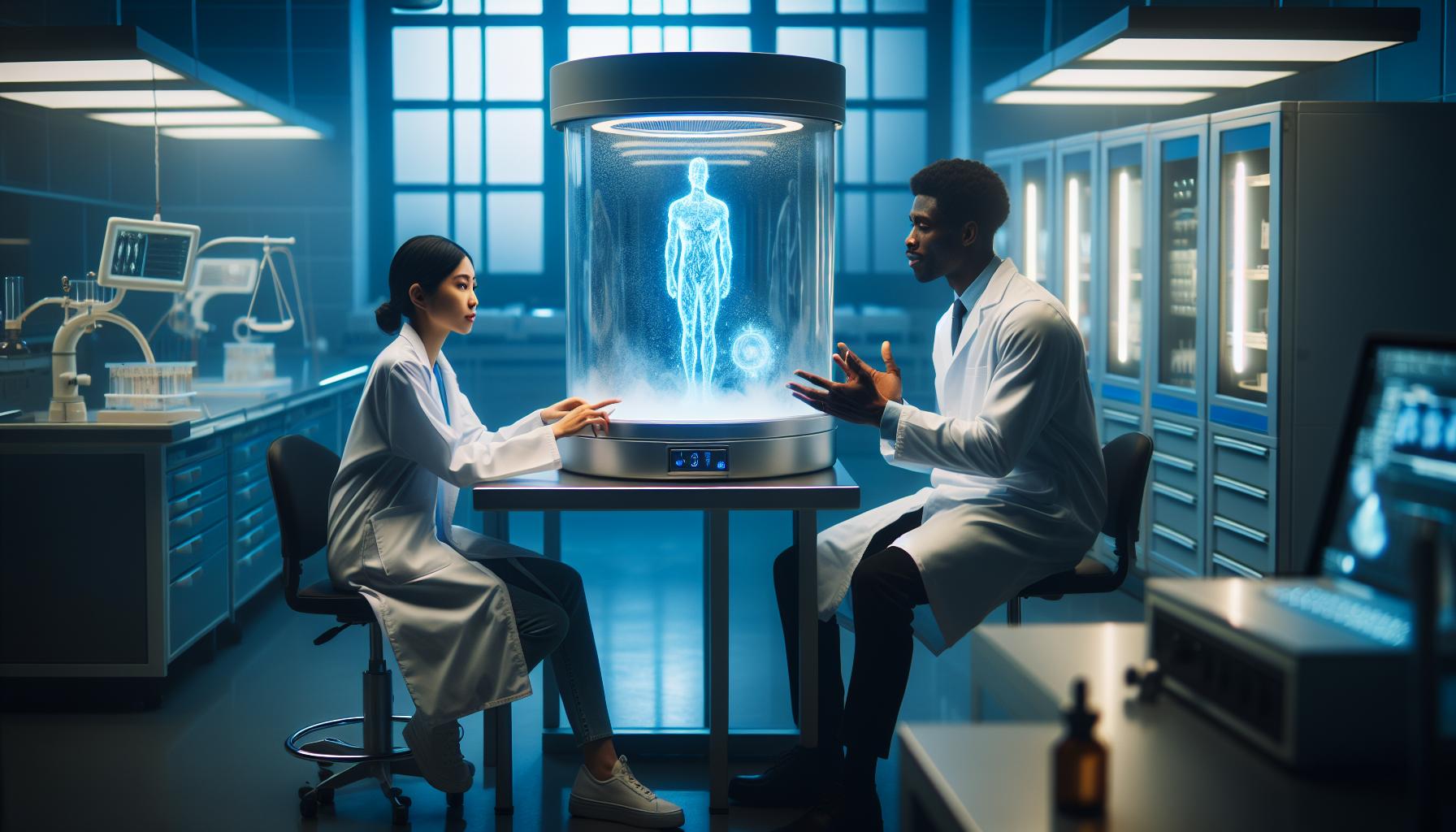
Challenges and Limitations of Cryogenics Today
The field of cryogenics, while promising remarkable possibilities for medicine, faces significant challenges and limitations that hinder its widespread application and acceptance. One pressing issue is the complex biological processes involved in cell preservation and revival. Current methods often lead to cellular damage during the freezing and thawing processes, primarily due to the formation of ice crystals which can disrupt cellular structures. Research continues to seek advanced cryoprotectants that can mitigate these effects, but limitations in existing techniques necessitate caution regarding their efficacy and reliability.
Another major challenge is the lack of established protocols and standards in cryogenic practices. The procedures for preserving human bodies or organs vary widely between facilities, leading to inconsistencies in success rates and outcomes. As a result, the scientific community remains skeptical, primarily due to a lack of published, peer-reviewed data to support claims of successful revival post-preservation. This skepticism contributes to a perception of cryonics as a speculative or fringe science rather than a legitimate field of medical inquiry.
Moreover, ethical considerations complicate the landscape of cryogenic applications. The potential for misuse of cryogenic technologies raises questions about informed consent and the motivations behind pursuing these treatments. Individuals often enter into agreements for cryogenic preservation without fully understanding the multi-faceted implications, including the scientific, financial, and emotional aspects tied to the uncertainties of revival. This calls for greater transparency and standards of care to ensure that patients are well-informed and their rights are protected.
Lastly, financial barriers remain a significant hurdle. Cryogenic preservation can be prohibitively expensive, leading to disparities in access and raising concerns about equity in healthcare. Without substantial financial backing or insurance coverage, many patients may find themselves excluded from participating in these cutting-edge treatments, further entrenching existing inequalities in healthcare access. As cryogenics evolves, addressing these challenges is crucial for researchers, healthcare providers, and policymakers to explore ethically sound and scientifically valid applications of cryogenic technologies in the medical field.
Public Perception of Cryogenics in Healthcare
The fascination with cryogenics often oscillates between intrigue and skepticism in public discourse. Many view cryonics-the process of preserving individuals at extremely low temperatures with the hope of future revival-as a science fiction dream, while others regard it as a legitimate field of research that could redefine life and death. This duality largely stems from a mix of sensational media portrayals and the stark realities of scientific research, making public perception a complicated landscape. Understanding how cryogenics is perceived in healthcare requires examining both the hopeful promises it holds and the significant uncertainties that accompany its practice.
One major element influencing public perception is the ongoing debate about the feasibility and ethics of cryonics. While some individuals express a desire to explore cryopreservation as a means to potentially extend life or cure previously incurable diseases, others raise ethical concerns regarding consent and the possible implications of reviving preserved individuals. There are fears surrounding the ramifications of resuscitating someone from cryogenic preservation, including the emotional and psychological toll it could take, as well as implications for society at large. Moreover, the lack of peer-reviewed scientific evidence supporting successful human revival further deepens skepticism among the public. Many perceive the procedures as experimental and view the companies offering such services with caution.
Additionally, financial barriers play a critical role in shaping perceptions of cryogenics. The high costs associated with cryopreservation, often exceeding tens of thousands of dollars, restrict access to a wealthy few, thereby creating a sense of elitism around the practice. This exclusivity can foster resentment and suspicion, leading many to dismiss cryonics as a privilege for the affluent rather than a widely applicable medical advancement. Public interest can also be influenced by media representation; sensationalized portrayals of cryonics in movies and television often exacerbate misconceptions rather than clarifying the science, leading to confusion and mistrust.
Ultimately, the public’s view of cryogenics in healthcare reflects broader societal attitudes toward death, technology, and the unknown. Continuous education and transparent dialogues about the science, ethical implications, and potential future applications of cryogenics are essential to demystify the field. As understanding grows, so too may the legitimacy of cryonic preservation as a serious area of study within medical science, transcending the speculative debates that currently dominate discussions.
Future Trends: What’s Next in Cryogenic Research?
The future of cryogenic research holds immense promise, as developments in technology and our understanding of biological materials pave the way for groundbreaking applications in medicine and beyond. One of the most exciting areas is the enhancement of cryopreservation techniques. Advances in nanotechnology and cryoprotectants are leading to improved methods of preserving tissues and organs, potentially revolutionizing organ transplantation and regenerative medicine. For instance, researchers are exploring how to minimize ice crystal formation during freezing, which can damage cellular structures. Utilizing advanced compounds and structured cryoprotectant solutions could increase the viability of preserved organs or tissues when thawed, greatly benefitting patients in need of transplants.
Another key area of exploration involves the application of cryogenic technologies to neuroprotection. As research progresses, scientists are investigating how lowering temperatures might offer neuroprotective effects during surgeries or after traumatic injuries, potentially reducing brain damage. Techniques that harness controlled hypothermia are being refined to prevent irreversible damage during critical medical interventions. This approach could change the landscape of trauma care and neurosurgery, providing additional time for advanced treatments to take effect.
As ethical considerations continue to shape the dialogue surrounding cryogenics, researchers are also focusing on the implications of their findings. Addressing concerns about consent and the societal ramifications of revival from cryogenic preservation will be critical. Collaboration between scientists, ethicists, and policymakers will be imperative in forming guidelines that are transparent and support the ethical application of cryogenic technologies.
In the realm of public perception, increasing awareness and education about the scientific advancements in cryogenics are likely to influence future acceptance and investment in this field. Engaging with the community through informative outreach and clear communication can demystify many misconceptions surrounding cryogenics and highlight its potential benefits. As societal attitudes evolve, there may be greater public support for research initiatives that explore the full capabilities of cryogenics in medical science, ultimately leading to more innovative and ethically grounded applications in the years to come.
Comparing Cryogenics to Traditional Medical Practices
While traditional medical practices rely heavily on established procedures and technologies that have developed over decades, the integration of cryogenics stands out as an innovative frontier in modern medicine. Cryogenics, the science of producing and utilizing very low temperatures, has applications that can significantly alter how healthcare providers approach preservation and treatment, particularly regarding organ transplantation, trauma care, and potentially even revival from certain conditions.
One of the most compelling differences between cryogenics and traditional methods lies in organ preservation. While conventional techniques often use cold storage that can limit the viability of organs for transplantation, cryogenic methods are designed to significantly minimize cellular damage and extend the shelf life of organs. Innovative cryoprotectants and storage systems are being studied to maintain organ integrity far beyond the limits of typical refrigeration, thus increasing the chances of successful transplants. This advancement is essential in addressing the shortage of available organs for transplant, a critical issue in healthcare today.
Moreover, in trauma medicine, controlled hypothermia-a technique grounded in cryogenic principles-has shown promise in protecting against neuronal damage following severe injuries. Traditional methods often fail to offer sufficient time for medical interventions in acute situations, whereas inducing a hypothermic state can slow down metabolic processes and provide clinicians with a crucial window to stabilize patients. This approach highlights a significant shift from conventional treatments that might overlook the potential benefits of manipulating body temperature.
Despite the clear advantages, the application of cryogenics in medicine is not without its challenges. The complexity of the processes involved, along with ethical considerations surrounding practices like cryopreservation at the end of life, presents a contrast to the more straightforward principles of traditional medicine. Addressing patient understanding and societal acceptance of these advanced techniques will be crucial as healthcare evolves to incorporate more innovative, albeit unconventional, solutions.
Ultimately, while both cryogenics and traditional practices have their place in modern medicine, the potential for cryogenics to enhance patient outcomes through advanced preservation techniques and neurological protection is compelling. As research continues and public awareness grows, blending these paradigms could lead to a transformative era in healthcare.
Real-Life Case Studies: Cryogenics in Action
In recent years, advancements in cryogenic technology have begun reshaping various medical practices, offering exciting prospects for patient care. One particularly notable application is seen in organ transplantation. Traditional methods often rely on cold storage, which can lead to cellular damage and a limited viable time frame for organ donations. However, researchers are developing sophisticated cryopreservation techniques that employ cryoprotectants to minimize damage during freezing and thawing processes. For instance, a case study involving kidney transplants revealed that organs preserved using cryogenic methods could maintain functionality for much longer compared to those stored at conventional temperatures. This research suggests a potential solution for the critical shortage of transplantable organs.
Another area where cryogenics has made notable strides is in trauma medicine. Controlled hypothermia, a technique leveraging cryogenic principles, has shown efficacy in preserving neuronal health during critical injury events. A case reported in clinical settings demonstrated that patients subjected to induced hypothermia after severe head injuries exhibited significantly reduced neurological deficits compared to those who received standard treatments. This not only enhances survival rates but also improves long-term recovery outcomes, showcasing the added advantage of integrating cryogenic methods into emergency medical protocols.
Furthermore, cryogenic applications extend to reproductive medicine, where oocyte (egg) preservation has garnered attention. Women undergoing medical treatments that may affect their fertility often opt for cryopreservation of their eggs as a proactive measure. Clinics have successfully implemented these procedures, leading to healthy pregnancies and births, signaling a potential breakthrough in female fertility options. The success stories from these cases continue to inspire optimism about the future capabilities of cryogenics in various medical fields.
While these case studies highlight the transformative potential of cryogenics in modern medicine, they also underline the importance of ongoing research and ethical considerations in their application. As the medical community increasingly embraces these innovations, establishing robust guidelines and understanding their implications for patient care will remain paramount. The real-world impact of cryopreservation methods, whether in organ transplants, trauma care, or reproductive options, signals a promising new chapter in healthcare that continues to evolve.
FAQs: Debunking Myths About Cryogenics in Medicine
Amidst the growing interest in cryogenics, numerous misconceptions persist about its applications in medicine, especially regarding its effectiveness and legitimacy. One common myth is that cryogenic preservation is the same as “freezing” individuals, relegating the idea to the realm of science fiction. In reality, cryopreservation techniques involve carefully controlled processes that minimize cellular damage during freezing and thawing, utilizing cryoprotectants to safeguard delicate biological structures. This science-driven approach has led to successful outcomes in various fields, indicating that it is more than a mere fantasy.
Another prevalent belief is that cryogenically preserved organs and tissues cannot function once thawed. Contrary to this notion, advancements in cryogenic techniques have demonstrated that organs can maintain viability and functionality post-thawing. Studies have reported successful transplantation of organs that were preserved cryogenically, with outcomes comparable to those of fresh organs. For example, kidneys preserved through advanced cryopreservation methods have been shown to remain functional for extended periods, significantly improving the organ transplant landscape.
Furthermore, some skeptics question the ethical implications and viability of cryogenics in medicine, citing unproven methodologies. While it is crucial to approach any medical advancement with caution, the rigorous research and clinical trials surrounding cryogenic applications underscore a commitment to ethical practices and patient safety. Regulatory bodies actively oversee these innovations, ensuring that any procedures involving cryopreservation are conducted according to established ethical standards.
Lastly, the misconception that cryogenics is only for the wealthy or for those seeking immortality overlooks its practical applications in fertility preservation and emergency medical care. Clinics now routinely offer cryopreservation services for individuals undergoing treatments that may affect fertility, such as chemotherapy, as well as in reproductive settings. In trauma medicine, controlled hypothermia-a technique influenced by cryogenic principles-has been employed to enhance recovery in patients with severe injuries. These real-world applications demonstrate that cryogenics captures a spectrum of medical possibilities, firmly rooted in scientific inquiry rather than fanciful thinking.
As the realm of cryogenics continues to evolve, addressing these myths is essential for fostering an informed public understanding and encouraging thoughtful discourse on the future of medical science. Always consult a healthcare professional for personalized guidance regarding cryogenic treatments and their implications.
Q&A
Q: What is the current state of cryogenics in medical science?
A: The current state of cryogenics in medical science involves advanced research into preservation techniques for organs and tissues at low temperatures. Applications include potential future revival of preserved bodies and organs for transplants, highlighting an intersection of medical innovation and ethics.
Q: How do cryogenic preservation techniques work in medicine?
A: Cryogenic preservation techniques work by cooling biological samples, such as cells or tissues, to extremely low temperatures to halt biological activity and prevent damage. This process is critical for organ transplantation and studying cellular responses under preserved conditions, enhancing future medical treatments.
Q: What are the challenges facing cryogenics today?
A: Challenges in cryogenics include technical hurdles such as ice crystal formation damaging cells during freezing, the high cost of technology, and legal/ethical issues surrounding consent and the viability of revived patients. Ongoing innovation aims to address these concerns.
Q: Are there any successful case studies in cryogenic medicine?
A: Yes, successful case studies in cryogenic medicine exist, particularly in organ preservation. Techniques like vitrification, which prevents ice formation, have been utilized to store organs for extended periods, improving transplant outcomes and expanding donor organ availability.
Q: What is the ethical debate surrounding cryogenic treatments?
A: The ethical debate surrounding cryogenic treatments focuses on issues of consent, the potential for future revival, and the implications for identity and personhood. Discussions also consider the accessibility of cryogenic services and societal implications of extending life beyond natural limits.
Q: How is public perception of cryogenics in healthcare evolving?
A: Public perception of cryogenics in healthcare is evolving positively, driven by increasing awareness and media coverage of advancements. As more success stories emerge and research continues, public interest grows, though skepticism remains about the feasibility of revival after preservation.
Q: What future trends are anticipated in cryogenic research?
A: Future trends in cryogenic research may include improved preservation techniques, enhanced imaging technologies for monitoring cryopreservation, and broader applications in regenerative medicine. Innovations aim to make cryogenic processes more effective and accessible for a variety of medical applications.
Q: How does cryogenics compare to traditional medical practices?
A: Cryogenics offers unique advantages over traditional practices, particularly in organ preservation and potential future applications in regenerative medicine. Unlike conventional methods, cryogenics seeks to extend the viability of biological tissues significantly, paving the way for groundbreaking treatments.
To Conclude
In exploring the fascinating realm of cryogenics and its potential impact on medical science, we’ve unveiled the possibilities of human preservation and future revival. While the technology is still evolving, understanding cryonics opens avenues for the curious to consider the intersection of science and life extension. If you’re eager to dig deeper, don’t miss out on our related articles on the science behind cryonics and innovative medical treatments available today.
Take the next step in your journey-subscribe to our newsletter to stay updated on the latest breakthroughs or explore our comprehensive guide on advanced medical technologies. By staying informed, you engage in the conversation around these pivotal developments. Your thoughts matter-share your views in the comments below! Remember, the future of medicine could very well stem from the discoveries made today in cryogenics and beyond.