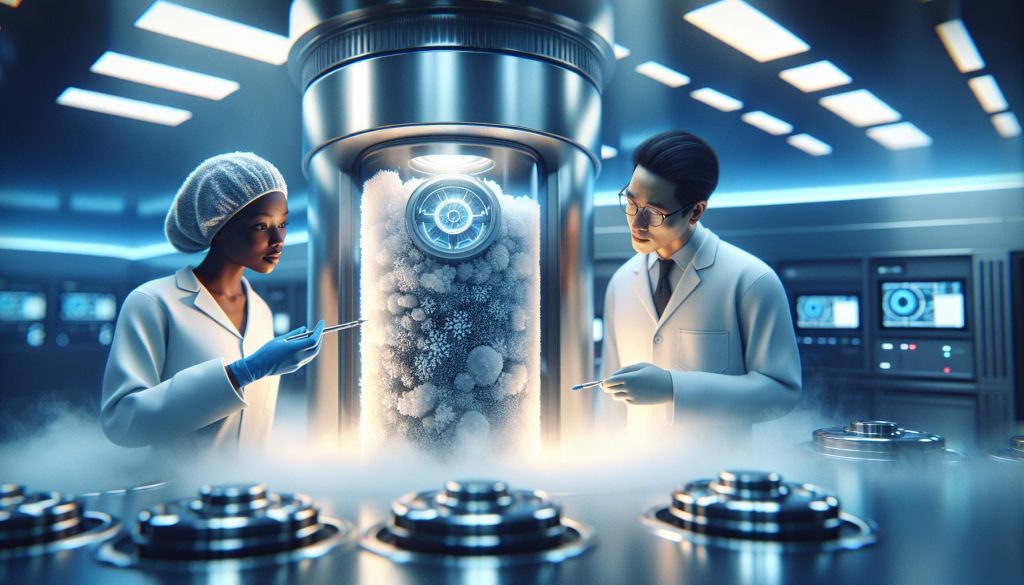
Cryogenic freezing has emerged as a groundbreaking solution in various fields, from medicine to preserving biological materials. This innovative technology allows for the long-term storage of cells, tissues, and even entire living organisms at extremely low temperatures, effectively halting all biological activity. Imagine the potential of storing vital medical materials or even the promise of life extension through cryonics. As advancements continue to unfold, understanding cryogenic freezing can empower you to explore its applications and benefits, offering insights into its role in healthcare and preservation efforts. This guide will delve into the mechanisms behind cryogenic freezing, its diverse applications, and its transformative potential, inviting you to journey deeper into this fascinating world.
Understanding Cryogenic Freezing: Fundamentals Explained
Cryogenic freezing is a fascinating field rooted in the science of preserving biological materials at extremely low temperatures, often below −130°C. This process, known as cryopreservation, is utilized to maintain the structural and functional integrity of cells, tissues, and even whole organisms, conceivably allowing them to be revived in the future. The essential principle behind cryogenic freezing is to halt all biological activity, including the processes of decay and death, effectively putting the subject in a state of metabolic stasis.
One significant aspect of cryogenic freezing is its potential to safeguard extensive cellular information, particularly in the context of cryonics, which seeks to preserve human bodies for potential future revival. The underlying mechanism involves the use of cryoprotectants, substances that are added to biological samples to prevent the formation of ice crystals, which can damage cell structures. Techniques such as slow cooling or vitrification (rapid cooling that avoids ice crystal formation) are critical in achieving successful preservation while minimizing cellular damage.
While primarily known for its applications in cryonics, the principles of cryogenic freezing extend to various domains in medicine and biotechnology. Stem cell preservation, organ transplants, and fertility treatments utilize cryogenic techniques to maintain viability. By understanding the fundamentals of cryogenic freezing, individuals can appreciate its potential benefits and applications, while also navigating the complexities and ethical considerations associated with advanced preservation technologies.
In summary, cryogenic freezing represents a groundbreaking intersection between biology and innovative technology, offering promising avenues for the future of medicine and preservation. However, it is essential to engage with these topics cautiously, consulting relevant professionals to make informed decisions regarding their potential applications in real-world scenarios.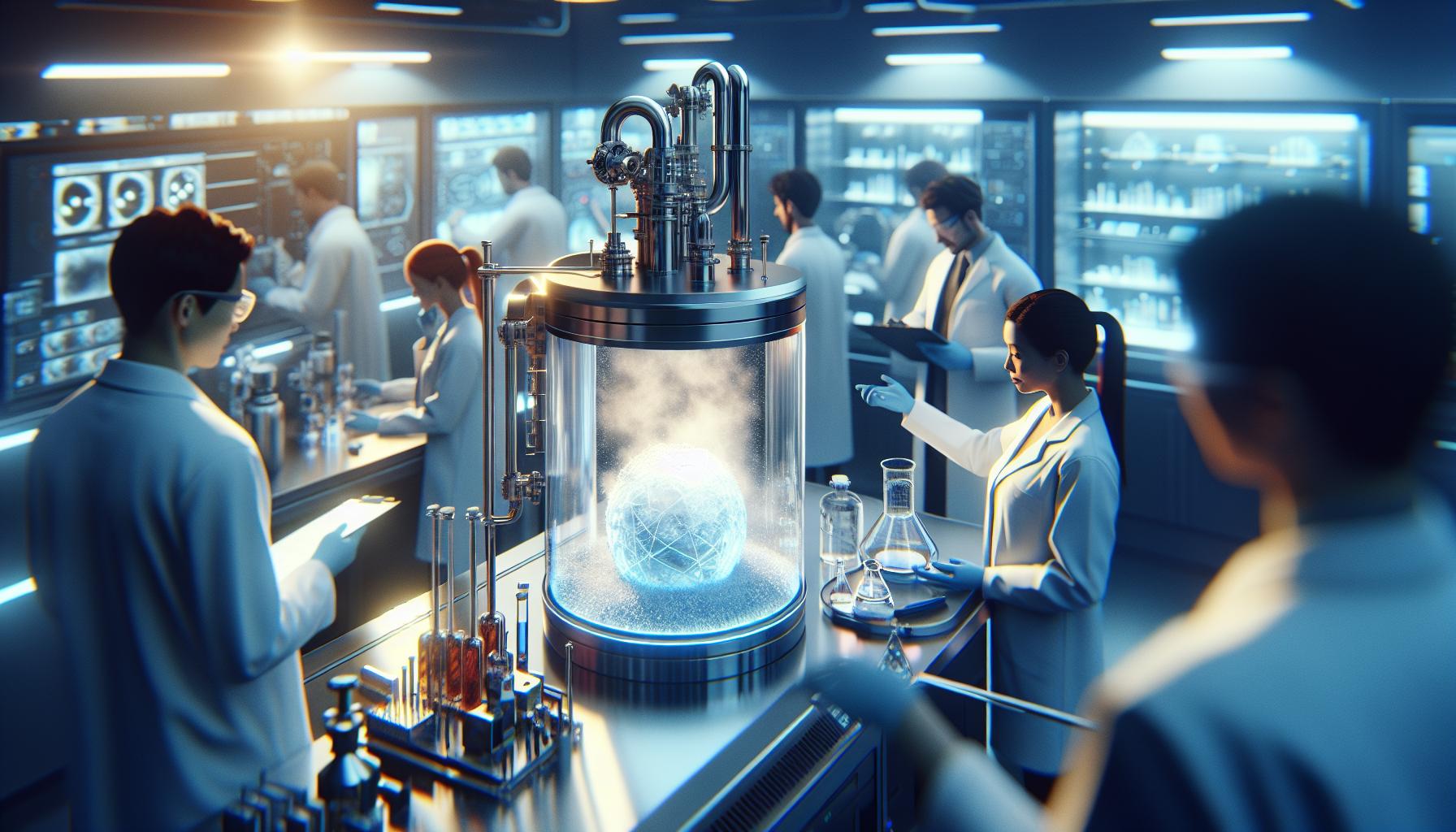
The Science Behind Cryogenic Freezing: How It Works
The process of cryogenic freezing operates on fascinating scientific principles that harness the extraordinary ability of low temperatures to halt biological activity. At its core, cryogenic freezing centers around the technique known as cryopreservation, which involves cooling biological materials to temperatures below −130°C. This extreme temperature effectively slows down molecular movement and metabolism to a point where cellular processes are essentially paused. The ability to preserve cells, tissues, and even organs can be invaluable in various fields, from medicine to biotechnology.
A crucial element in the success of cryogenic freezing is the concept of cryoprotectants. These are specialized substances that help prevent the formation of ice crystals during the freezing process, which can cause significant structural damage to cells. Without cryoprotectants, ice crystal formation can puncture cell membranes, leading to cell death and loss of function. Techniques such as slow cooling allow for a gradual decrease in temperature, which minimizes stresses on the cells. Alternatively, vitrification is used for ultra-rapid cooling, transitioning the material into a glass-like state to avert ice crystal formation altogether.
In practical applications, this technology is instrumental in various medical scenarios. For example, stem cell banking utilizes cryogenic techniques to ensure that viable stem cells can be preserved for future treatments. Organ preservation for transplantation can also benefit significantly from cryogenic freezing, as it allows organs to remain viable until they are ready for transplantation, thus potentially saving lives. Understanding how cryogenic freezing works can help people appreciate its potential applications as well as the implications of advancing this technology further. However, it is essential for individuals to consult with healthcare professionals to explore the possibilities and efficacy of such applications tailored to their unique situations.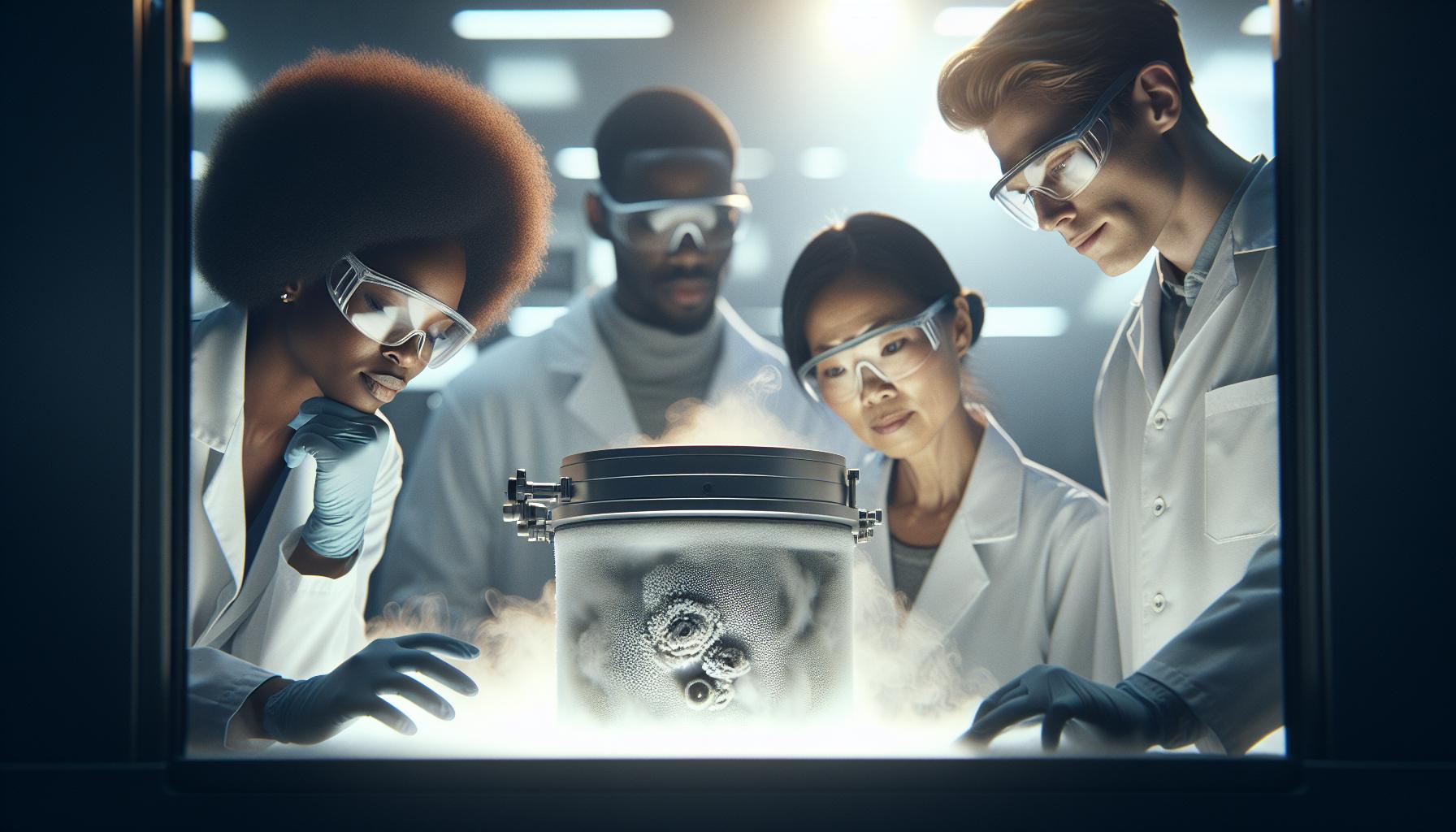
Applications of Cryogenic Freezing in Medicine
Cryogenic freezing stands at the forefront of revolutionary medical advancements, preserving biological materials at ultra-low temperatures. This preservation method is particularly significant in areas like stem cell therapy and organ transplantation, where the viability of cells and tissues can greatly influence treatment outcomes. By cooling samples to temperatures below -130°C, medical professionals can effectively halt metabolic activity, thereby maintaining the integrity and functionality of crucial biological materials until they are needed.
One of the most impactful is stem cell banking. Patients may choose to bank their stem cells, which are pivotal for various treatments, particularly in regenerative medicine. These stem cells can be harvested from sources like the umbilical cord blood, bone marrow, or peripheral blood and preserved using cryopreservation techniques. When the need arises-such as in the treatment of certain cancers or genetic disorders-viable stem cells can be thawed and administered, offering potential cures and improving patient outcomes.
Another vital application is the preservation of organs for transplantation. Advances in cryogenic technology enable the storage of organs, such as kidneys and livers, extending their viability outside the donor’s body. This is critically important in decreasing waiting times for recipients, as organs can be preserved until a suitable match is found. Cryogenic freezing maintains organ functionality, substantially increasing the chances of successful transplantation and enhancing the overall efficacy of transplant programs.
Furthermore, cryogenic techniques are also utilized in assisted reproductive technology. In vitro fertilization (IVF) settings often incorporate cryopreservation methods to store eggs, sperm, and embryos, thereby allowing future use without the immediate need for implantation. This capability not only provides flexibility for fertility treatments but also empowers patients to make informed decisions regarding family planning.
As research in this field continues to evolve, the potential applications for cryogenic freezing within medicine appear boundless. However, while the benefits are significant, it is essential for individuals considering such options to consult healthcare professionals. Tailored advice can ensure that the unique circumstances and medical backgrounds of patients are thoroughly evaluated, promoting safe and effective use of cryogenic technologies.
Advantages and Disadvantages of Cryogenic Freezing
Cryogenic freezing offers groundbreaking possibilities in the realm of biomedical science, yet it is vital to acknowledge both its significant advantages and potential drawbacks. This preservation method is designed to extend the viability of biological materials, allowing for effective storage and later use. However, as with any medical technology, there are critical factors to consider.
One of the standout advantages of cryogenic freezing is its ability to maintain the integrity and functionality of cells and tissues over extended periods. This capability is particularly crucial for applications like stem cell banking, organ transplantation, and assisted reproductive technologies. By halting metabolic processes and preventing cellular damage, cryogenic freezing ensures that valuable biological samples can be preserved without degradation. Additionally, it significantly enhances the success rates of procedures like in vitro fertilization (IVF) by allowing the storage of eggs, sperm, and embryos for future use.
However, the implementation of cryogenic freezing is not without its challenges. The process requires highly specialized equipment and expertise, which can make it expensive and less accessible to some. Moreover, there are inherent risks associated with the freezing and thawing cycles that may affect cell viability. Some studies suggest that certain cell types may suffer from a loss of functionality or viability post-thaw, which raises questions about the reliability of outcomes in critical applications.
In summary, while cryogenic freezing presents an exciting frontier in medical science with numerous applications, it is essential for potential users-whether they are healthcare providers or patients-to weigh these benefits against the risks and costs involved. Consulting with medical professionals knowledgeable about cryogenic technologies can help ensure informed decisions, tailored to individual circumstances and health needs.
Cryogenic Freezing vs. Traditional Preservation Methods
In the evolving field of preservation technology, cryogenic freezing stands out as a revolutionary alternative to traditional methods such as refrigeration and freeze-drying. While conventional techniques have been effective for decades in maintaining the quality of various biological materials, cryogenic freezing operates on a fundamentally different principle: it uses extremely low temperatures, typically below -130°C, to halt all biological activity, effectively suspending time for the preserved material.
One of the primary differences between cryogenic freezing and traditional preservation methods lies in their approach to cellular integrity. Conventional methods, like refrigeration, slow down metabolism but do not entirely stop it. This can lead to cellular degradation over time due to ice crystal formation, which may damage cell membranes. In contrast, cryogenic freezing minimizes ice crystal formation by quickly freezing cells, which significantly reduces damage and maintains cellular functionality. This distinction is particularly critical in applications such as stem cell preservation, organ transplantation, and cryopreservation of embryos, where preserving the integrity of living cells is essential.
Another key comparison involves the longevity of the preserved materials. Traditional methods like freeze-drying may allow materials to be stored for extended periods; however, the effectiveness diminishes over time, often within months to years, depending on the method and material. Cryogenic technology, on the other hand, offers potentially indefinite storage capabilities as long as the conditions are maintained properly. This attribute makes it particularly appealing for biobanks and fertility clinics, as it opens doors to long-term storage solutions without significant loss of viability.
That said, the choice between cryogenic freezing and traditional preservation methods is influenced by several factors, including cost, accessibility, and specific application needs. While cryogenic technology often requires sophisticated equipment and can be more expensive upfront, its long-term benefits can outweigh these initial costs, especially in high-stakes environments like hospitals and laboratories. Ultimately, a comprehensive understanding of both methods’ advantages and limitations is crucial for making informed decisions tailored to specific preservation needs. Consulting with professionals in the field is highly recommended to navigate these complex choices effectively.
The Process of Cryogenic Freezing: Step-by-Step
Cryogenic freezing is a meticulously orchestrated process designed to preserve biological materials at extremely low temperatures, halting cellular activity and minimizing damage. The journey begins with the careful preparation of the biological material, which can range from stem cells and embryos to organs intended for transplantation. Understanding the step-by-step procedure can shed light on the precision and science behind this revolutionary method.
Initially, the biological specimen must be prepared and treated to improve its chances of survival at low temperatures. This often includes the addition of cryoprotectants, which are substances that help prevent ice crystal formation within the cells. Ice crystals can puncture cell membranes, leading to catastrophic damage. The cryoprotectant solution is carefully administered to ensure that each cell is adequately infused without causing toxicity. For example, dimethyl sulfoxide (DMSO) is a common cryoprotectant used in various applications, chosen for its ability to penetrate cells effectively and protect their integrity.
Following preparation, the next phase involves controlled cooling of the specimen. This process typically utilizes a programmable freezer, allowing for precise temperature reductions. The rate of cooling is critical; if cells cool too quickly, they may still form ice crystals, and if too slowly, they may not achieve the desired temperature efficiently. A common protocol may involve reducing the temperature to about -1°C before transitioning into a supercooled state at approximately -130°C, known as the glass transition phase. Once at this point, the biological material is maintained in liquid nitrogen, which serves as a storage medium, effectively halting all metabolic processes.
Upon the need for thawing, the reverse process is executed carefully to minimize damage. Thawing is conducted by rapidly warming the specimen, typically using warm water or an incubator. Doing this swiftly helps prevent ice crystal formation as the ice turns back into liquid. Following thawing, the viability of the cells is assessed through various tests, ensuring that they have retained their integrity and functionality. This methodical, scientific approach underscores the complexity and precision of cryogenic freezing, highlighting its importance in modern medicine and preservation technologies.
Safety Considerations for Cryogenic Freezing
Understanding the complexities and risks associated with cryogenic freezing is crucial for anyone considering this advanced preservation technique. This method, while promising, requires meticulous attention to safety protocols at every stage-from initial preparation through to freezing and, if applicable, thawing. Potential hazards include chilling injuries, the toxicity of cryoprotectants, and the technical challenges in maintaining the integrity of the preserved materials.
Proper training and environmental controls are essential. For instance, handling cryogenic liquids like liquid nitrogen demands rigorous safety procedures to prevent frostbite and burns. Equipment used for cryogenic freezing should be regularly maintained and inspected to prevent malfunctions that could compromise the process. Establishing protocols for safely administering cryoprotectants, which can be toxic at certain concentrations, is also vital. Users must weigh the concentration carefully, as a balance is necessary to minimize cellular damage while ensuring the solution effectively permeates cellular structures.
The process itself carries risks related to the rapid temperature changes. Sudden fluctuations can lead to ice crystal formation, causing significant cellular damage. To mitigate this, the cooling and warming phases must be controlled meticulously, often using programmable freezers and precise monitoring equipment for real-time adjustments. After thawing, assessing cell viability is crucial to ensure that the intended preservation objectives have been met without compromising cellular integrity.
Ultimately, safety in cryogenic freezing does not solely rely on technology. It incorporates rigorous training, adherence to best practices, and close supervision by skilled professionals. Consultation with experts in cryobiology is indispensable when considering procedures involving cryogenic freezing. Their knowledge can guide the selection of appropriate methods and materials, ensuring that both efficacy and safety are prioritized throughout the preservation process.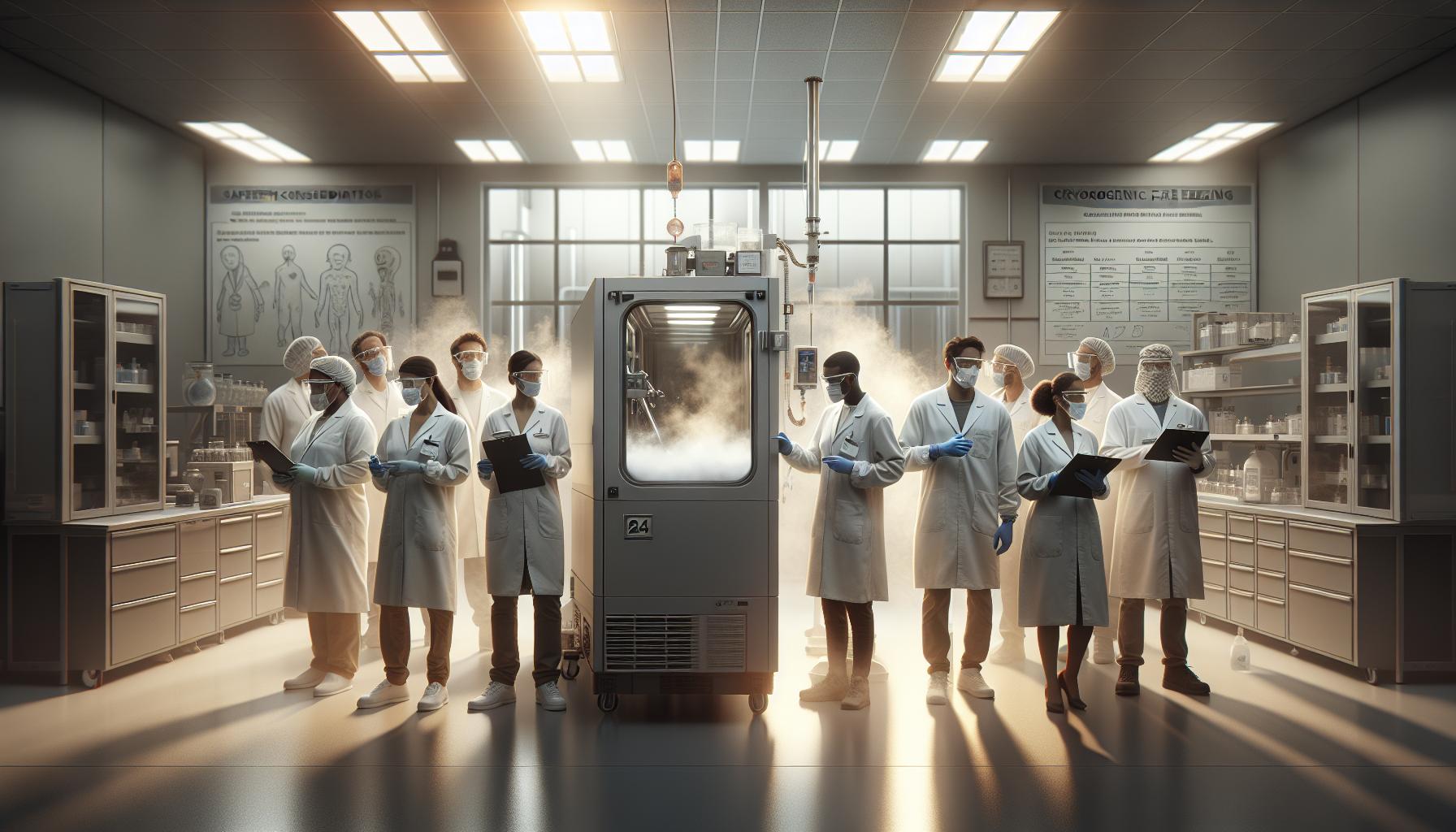
Innovations in Cryogenic Technology: What’s New?
Emerging innovations in cryogenic technology are revolutionizing the field of preservation, paving the way for potential breakthroughs in medicine, research, and even space exploration. As awareness and interest in cryogenic freezing increase, researchers and companies are developing advanced techniques to enhance the efficacy and safety of the process. One of the most significant areas of growth includes the refinement of cryoprotectants-substances added to cells to prevent ice crystal formation during freezing. New formulations aim to reduce toxicity and improve cellular viability after thawing, preserving the intricate structure and function of biological materials.
Another exciting development is the automation and precision in cryogenic freezing processes. Programmable freezing machines and real-time monitoring systems are becoming standard tools in laboratories, allowing for a more controlled and reliable cooling and warming process. This capability significantly minimizes the risks associated with temperature fluctuations that can lead to cellular damage. Moreover, advancements in materials science have led to the creation of more effective insulation and containment systems, enhancing the stability of cryogenic environments.
Research in stem cell preservation also highlights innovative strides, focusing on optimizing techniques for long-term storage. Enhanced protocols are being developed for the freezing of stem cells, which are vital for regenerative medicine and transplantation. These protocols incorporate advanced cooling rates and improved media, ensuring higher post-thaw recovery rates and functionality.
As the cryogenic field continues to evolve, the potential for application in various sectors grows. From preserving organs for transplantation to cryopreserving genetic material for agriculture, these innovations are not only about keeping biological materials in a state of stasis but also ensuring their long-term viability. However, as with all advanced techniques, it is essential for professionals to stay informed about these developments and integrate them judiciously into practice, ensuring that safety and ethical considerations are prioritized in the quest for enhancing cryogenic technologies.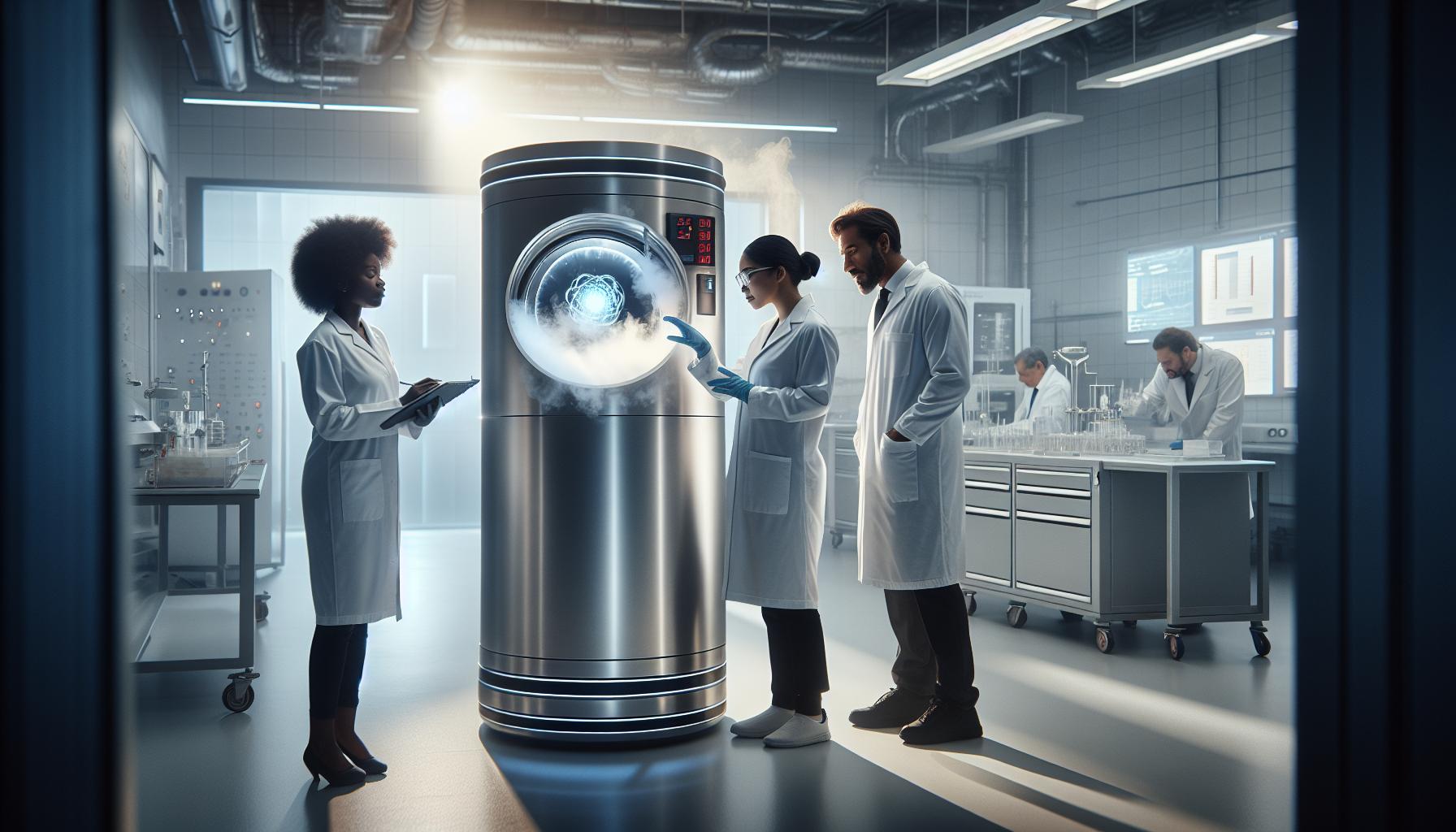
Cost Analysis: Is Cryogenic Freezing Worth It?
The financial implications of cryogenic freezing can be significant, leading many individuals to ponder whether this avant-garde method is worth the investment. The average cost of basic cryonic services can vary widely, with estimates showing that Remote Standby services might cost around $10,000, while local services could start at about $2,000 [[1](https://www.cryonicsarchive.org/library/cost-of-cryonics/)]. When considering the comprehensive array of services included in cryogenic freezing, such as preservation, storage, and maintenance, it’s critical to evaluate the potential long-term benefits against these initial expenses.
Investing in cryogenic freezing isn’t just about the immediate costs; it also involves assessing what it represents-a chance at future medical advancements. For individuals facing terminal conditions, the hope of being preserved until a cure is discovered could outweigh the financial burden. This idea can be appealing, prompting emotional considerations that may overshadow strictly financial analysis. However, it’s essential to weigh these options judiciously and seek professional financial and medical advice tailored to personal situations.
To further illustrate the cost-benefit balance, consider these factors:
- Future Medical Breakthroughs: The potential for cures that currently don’t exist.
- Personal Values: The importance of contributing to scientific and medical exploration.
- Insurance and Funding Options: Exploring various funding avenues can ease the financial pressures associated with cryogenic preservation.
Ultimately, the decision to invest in cryogenic freezing should be informed by comprehensive research, realistic expectations about future medical possibilities, and a clear understanding of the associated costs. For those contemplating this cutting-edge preservation method, discussing options with healthcare professionals and financial advisors will provide critical insights, empowering individuals to make choices aligned with their values and circumstances.
Real-Life Success Stories: Cryogenic Freezing Outcomes
While the idea of cryogenic freezing often evokes images of futuristic medical possibilities, the reality is much more complex, especially when we examine real-life cases. While there are no definitive success stories of individuals revived from cryonic preservation to date, some cases highlight the emotional and philosophical journey associated with this practice. For instance, the case of a British teenager who fought for her wish to be cryogenically frozen after her cancer diagnosis exemplifies the depth of hope that drives individuals toward this unproven science. Despite the tragic circumstances, her story illustrates the profound desire for a potential second chance at life, should medical science advance far enough to support revival in the future [3[3].
In terms of outcomes, it’s essential to approach cryonics not merely as a ticket to immortality but as an exploration of human aspirations toward life extension. Those who choose cryonic preservation often do so with the belief that future medical technology could make the impossible possible. This sentiment can help individuals cope with terminal illnesses, transforming the grief of impending loss into a hopeful scenario where scientific advancement might offer solutions long after their time.
Moreover, the rise of companies specializing in cryonic preservation is indicative of a growing community dedicated to pushing the boundaries of life science. Although documented successes are limited to organizational advancements rather than personal stories, the ongoing research into low-temperature biology and tissue preservation enhances the field’s credibility. Innovations in this realm can lead to better understanding of cellular integrity and repair mechanisms, paving the way for more effective cryogenic technologies in the years to come.
In summary, the narratives surrounding cryogenic freezing are filled with poignant stories of hope and the pursuit of life beyond death. While no one has yet been successfully revived from cryoprservation, capturing the essence of what these cases represent can illuminate the broader human desire for life, resilience, and the ever-evolving landscape of scientific possibility. Understanding these real-life motivations may help frame the ongoing dialogue about the future potential of cryogenic technologies in healthcare.
Future Trends in Cryogenic Freezing and Its Impact
As advancements in technology continue to unfold, the future of cryogenic freezing appears increasingly promising. The integration of emerging scientific research not only enhances the understanding of low-temperature biology but also expands the potential applications of cryogenic techniques across various fields, including medicine, food preservation, and biotechnology.
One of the most significant trends is the development of new cryoprotective agents that improve the cryopreservation process. These agents help minimize ice crystal formation, which can cause cellular damage during freezing and thawing. Enhanced formulations aim to optimize the survival rates of preserved cells, tissues, and even organs, paving the way for more effective transplant technologies. Researchers are focusing on understanding the mechanisms of cellular protection at cryogenic temperatures, which may lead to breakthroughs in organ preservation for transplantation and on-site biobanking practices.
In the realm of personalized medicine, cryogenic freezing is becoming an essential tool for advancing regenerative therapies and gene editing. Biobanks are increasingly storing valuable genetic materials, such as stem cells and immune cells, which can be later rehabilitated and customized for individual therapies. The cryopreservation of these materials ensures their viability for extended periods, allowing for future applications in therapies aimed at treating various diseases, such as cancer or genetic disorders.
Furthermore, companies specializing in cryonics are actively collaborating with researchers to improve revival protocols should future technology allow for successful resuscitation. While currently theoretical, these efforts reflect an optimistic vision that the fusion of advancements in biotechnology, nanotechnology, and material science will play a critical role in enhancing the efficacy and safety of cryogenic freezing practices.
As public interest grows, the ethical considerations surrounding cryonics and the concept of life extension are contributing to broader discussions in both scientific and philosophical circles. This dialogue could shape regulatory frameworks and inspire innovative research that may redefine the boundaries of life and preservation.
In summary, the future of cryogenic freezing is poised to impact numerous fields significantly. Continued innovations in cryopreservation techniques and a deeper understanding of cellular biology create exciting opportunities that could change how we think about preservation, longevity, and even medical treatments. As these trends develop, it remains crucial for anyone considering cryogenic preservation or related technologies to engage in informed discussions with medical professionals and researchers to consider the implications fully.
Common Misconceptions About Cryogenic Freezing
Many misconceptions surround cryogenic freezing, creating confusion about its principles and applications. One of the most persistent myths is that cryogenic freezing is merely a form of preserving living individuals indefinitely. In reality, the process involves precise protocols aimed at the preservation of biological tissues, organs, or cells at extremely low temperatures, typically liquid nitrogen levels around -196°C (-321°F). This does not imply that individuals are “frozen alive” or can simply be revived at a later date; rather, it is a preservation mechanism with specific scientific goals, often focused on enabling future research and possible medical applications.
Another common misconception revolves around the belief that cryogenic freezing is synonymous with being frozen in time, as depicted in science fiction films. Critics claim that the lack of current technology to fully revive preserved individuals negates its potential. However, proponents argue that the technology and understanding of low-temperature biology are advancing rapidly. For example, as new cryoprotective agents are developed, they enhance the cryopreservation process by minimizing ice crystal formation, a leading cause of cellular damage during freezing and thawing. This innovation sparks optimism about future capabilities in cell and organ preservation, indicating that while revival may not be possible today, ongoing research and development might change that in the coming years.
Additionally, there is a pervasive notion that all types of cryogenic treatments are dangerous or without oversight. On the contrary, established cryogenic procedures undergo strict regulatory evaluations and are conducted under controlled environments by trained specialists. Safety protocols aim to mitigate risks, ensuring that procedures are executed with a focus on preserving cellular integrity and functionality. To maximize the benefits of cryogenic treatments-whether for medical, research, or personal preservation purposes-it’s essential for individuals to form informed opinions based on scientific understanding rather than speculative narratives.
For anyone considering involvement in cryogenics or cryonics, it’s crucial to engage in comprehensive discussions with healthcare providers and cryogenic professionals. Such dialogues will provide clarity on the practical implications, safety protocols, and future potentials of cryogenic technologies, empowering individuals to make educated decisions about their options in preservation and beyond.
FAQ
Q: What are the basic principles of cryogenic freezing?
A: Cryogenic freezing involves rapidly cooling biological samples to ultra-low temperatures, typically below -150°C. This process preserves cellular integrity and prevents degradation by minimizing metabolic activity and biochemical reactions, making it essential for long-term storage in various applications, including medicine and biotechnology.
Q: How does cryogenic freezing differ from traditional preservation methods?
A: Unlike traditional methods such as refrigeration or freezing at moderate temperatures, cryogenic freezing employs liquid nitrogen or similar substances to achieve much lower temperatures. This rapid cooling halts cellular processes more effectively, thus offering better preservation of sensitive biological materials and increasing their viability upon thawing [[1]].
Q: What types of biological materials can be cryogenically preserved?
A: Cryogenic freezing is suitable for a wide range of biological materials, including mammalian cells, tissues, embryos, sperm, and even entire organisms. This method helps maintain their structural and functional integrity for future research or therapeutic use, significantly enhancing their longevity [[2]].
Q: What are the potential risks associated with cryogenic freezing?
A: While cryogenic freezing is generally safe, there are potential risks such as equipment malfunction, which can lead to temperature fluctuations or sample loss. Additionally, improper freezing or thawing can cause cellular damage. Adherence to established protocols is crucial to mitigate these risks [[3]].
Q: How can one ensure successful cryogenic preservation?
A: Successful cryogenic preservation requires the use of appropriate cryoprotectants to prevent ice crystal formation within cells. Additionally, it is essential to follow a meticulous freezing and thawing protocol, ensuring gradual temperature changes to maintain cell viability [[1]].
Q: Why is cryogenic freezing considered a valuable technology in medicine?
A: Cryogenic freezing is invaluable in medicine for preserving stem cells, reproductive cells, and tissues for transplants. It allows for the long-term storage of these materials without losing their functionality, thus aiding in advances in regenerative medicine and fertility treatments [[2]].
Q: What innovations are currently shaping the future of cryogenic technology?
A: Innovations such as advanced cryoprotectants, improved freezing techniques, and automated cryogenic systems are enhancing the efficiency and effectiveness of cryogenic freezing. These developments aim to reduce costs, improve sample integrity, and expand the range of materials that can be preserved [[2]].
Q: Can cryogenic freezing be used for organ preservation?
A: Yes, cryogenic freezing holds potential for organ preservation, although it is still under research. The goal is to prevent tissue damage while extending the viability of organs for transplant. Ongoing studies focus on refining techniques to improve outcomes [[3]].
The Way Forward
As you explore the fascinating world of cryogenic freezing, remember that this innovative approach offers potential pathways to extend life and revolutionize medical science. If you still have questions or wish to learn more, check out our articles on the future of cryonics and the latest advancements in cold storage technology. Your next step could be signing up for our newsletter for regular updates, or scheduling a consultation to discuss how cryogenics might fit into your long-term health plans.
Don’t miss out on discussing your thoughts or experiences in the comments below. Whether you’re intrigued by the science or considering its applications, your insights could guide others on their journey! Embrace the possibilities of cryogenic freezing-it’s a leap into the future that could redefine how we think about life and wellbeing.