
When it comes to medical applications, understanding what qualifies as cryogenic temperatures is crucial, especially in fields like surgery, preservation, and therapeutic techniques. Cryogenic temperatures typically refer to those below -150°C (-238°F), a threshold that allows clinicians to unlock innovative treatments and techniques that can dramatically improve patient outcomes. As interest in cryogenic technology grows, so do the questions about its implications in healthcare, from tissue preservation to enhancing surgical precision. By exploring these standards, readers can gain valuable insights into how cryogenic temperatures play a pivotal role in advancing medical practices. This journey not only sheds light on the fascinating science behind these temperatures but also emphasizes their significance in modern medicine, encouraging you to delve deeper into the transformative potential that cryogenics offers.
What is Cryogenic Temperature in Medicine?
Cryogenic temperatures represent a crucial threshold in medicine, generally defined as those below -150°C (-238°F). At these extreme low temperatures, molecular motion slows significantly, allowing for unique interactions that can preserve biological materials. This capability is especially valuable in fields such as reproductive medicine, organ preservation, and in the cryopreservation of stem cells and other cellular components. The ability to maintain these temperatures is not only vital for the longevity of biological specimens but also plays a crucial role in innovative medical treatments.
In medical applications, cryogenics is often employed to halt cellular activity, effectively pausing biological processes. The preservation of cells, tissues, and even organs at cryogenic temperatures helps prevent degradation and allows for long-term storage without compromising viability. For example, in organ transplantation, organs that are cryogenically preserved can be stored for longer periods, enhancing the chances of successful transplants. Similarly, stem cell banks utilize cryogenic methods to ensure that stem cells remain viable for future therapeutic uses, facilitating advancements in regenerative medicine.
Adopting cryogenic technologies in medicine has revolutionized the way biological materials are handled, pushing the boundaries of medical science. However, it is crucial for healthcare professionals to adhere to strict standards and guidelines when working with cryogenic materials. Rigorous protocols ensure safety, efficacy, and optimal outcomes in all medical applications of cryogenics, safeguarding both patients and medical practitioners during these complex procedures.
Understanding the Cryogenic Scale: Key Temperatures
The realm of cryogenics is marked by remarkably low temperatures, significantly influencing various medical practices today. Cryogenic temperatures, typically defined as those below -150°C (-238°F), play an essential role in preserving biological materials by drastically slowing molecular movement. This characteristic enables safe storage and transport of delicate specimens, creating opportunities in fields such as organ transplantation and regenerative medicine. Understanding the cryogenic scale and its critical temperature range is vital for healthcare professionals seeking to leverage these techniques effectively.
In clinical settings, several temperatures are noteworthy on the cryogenic scale:
- -196°C (-321°F): This temperature aligns with the boiling point of liquid nitrogen, making it ideal for the preservation of biological samples, tissues, and cells. At this temperature, cellular metabolic processes are essentially halted, enabling long-term storage without cell deterioration.
- -135°C (-211°F): Often used in cryo-storage facilities, this temperature is suitable for certain cell types and may promote better post-thaw recovery rates, especially in stem cell research.
- -80°C (-112°F): While not traditionally categorized as cryogenic, this temperature is commonly used for short-term storage of biological specimens. The preservation at these temperatures optimizes viability for future applications but does not achieve the longevity afforded by deeper cryogenic methods.
The nuances between these temperatures are vital for healthcare providers, as they determine the preservation options available for various tissues and cellular products. Moreover, adhering to standardized protocols at these specific temperature benchmarks can significantly enhance the success rates of various cryogenic medical applications. For instance, organs intended for transplantation are commonly preserved using protocols that ensure they remain within the appropriate cryogenic range, thereby extending their viability and increasing the chances of successful outcomes.
As medical advancements propel the use of cryogenic technologies, ongoing research is crucial to refine the understanding of how various temperatures impact cellular behavior, preserving critical biological functions. This ensures that medical professionals can optimize treatment modalities while continually prioritizing patient safety and effectiveness in care.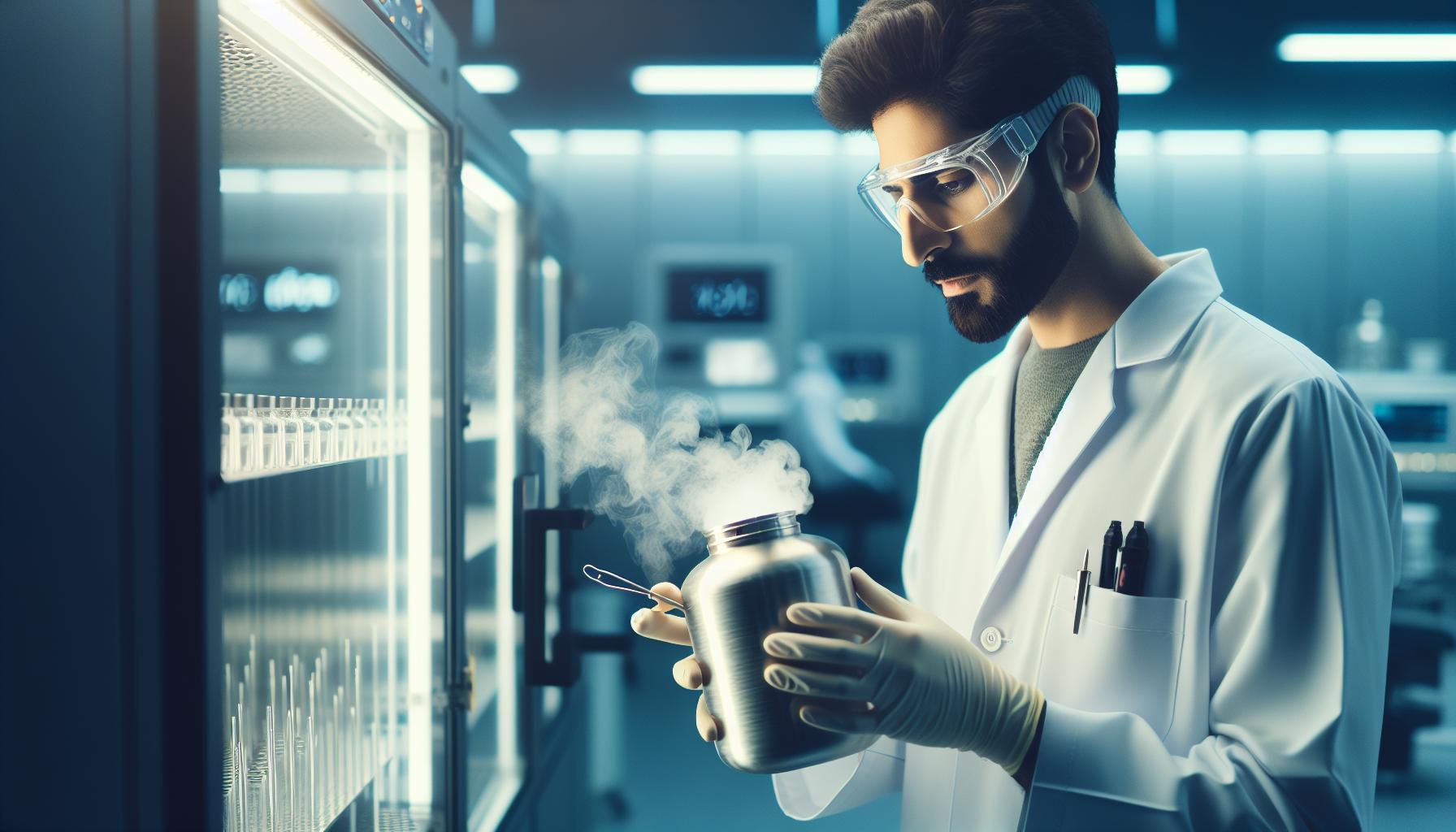
The Role of Cryogenics in Medical Treatments
The application of cryogenics in medical treatments has revolutionized various fields within healthcare, offering innovative solutions that enhance patient care and outcomes. By utilizing temperatures below -150°C, cryogenic techniques actively preserve cellular structures and biological materials, paving the way for advancements in organ transplantation, tissue preservation, and regenerative medicine. These low temperatures slow down metabolic processes, effectively halting cellular deterioration and allowing for the long-term storage of medical specimens.
One of the most prominent roles of cryogenics is in the realm of organ preservation. Organs intended for transplantation can be stored in cryogenic conditions, significantly extending their viability and improving success rates post-transplant. For example, holding kidneys at cryogenic temperatures helps maintain their function and structure, facilitating successful transplantation into recipients. Additionally, cryopreservation of stem cells has garnered attention as a powerful tool in regenerative medicine, providing a reliable method for storing these critical cells for future therapeutic applications.
Cryogenic techniques are also instrumental in various therapeutic interventions, including cryotherapy. This practice employs extreme cold to target and destroy abnormal tissues, such as tumors or lesions, by inducing cellular damage specific to diseased tissues while preserving surrounding healthy structures. As a result, cryotherapy serves as an effective and minimally invasive alternative to traditional treatment methods, leading to reduced recovery times and improved patient comfort.
However, harnessing cryogenics in medicine requires adherence to stringent guidelines to ensure safety and efficacy. Professionals in this field must be well-trained in handling cryogenic materials and equipment to mitigate risks of exposure or injury. Continuous research is also pivotal in exploring new applications and refining existing protocols, ensuring that cryogenics remains an integral part of innovative medical practices. As the knowledge and technology surrounding cryogenics advance, their role in medicine is expected to expand, further enhancing patient care and therapeutic possibilities.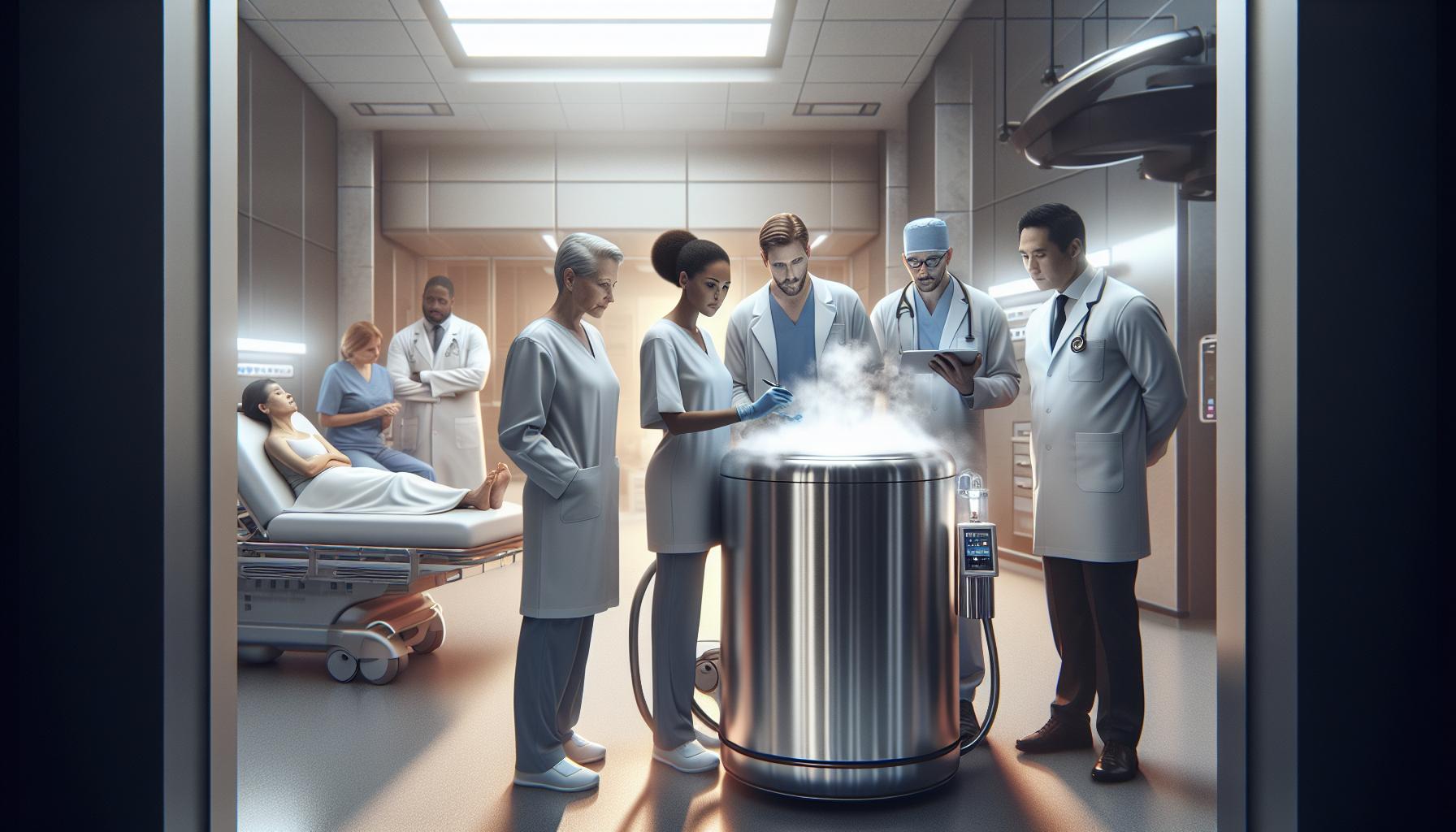
Guidelines for Cryogenic Applications in Medicine
In the realm of cryogenics, temperatures below -150°C are pivotal for maintaining biological integrity during storage and treatment processes. As this technology garners immense interest in medical applications, following the proper guidelines becomes essential for ensuring effective outcomes and patient safety. Adhering to rigorous protocols not only enhances the efficacy of cryogenic techniques but also mitigates potential risks associated with extreme temperatures.
One of the foremost guidelines for cryogenic applications is ensuring proper training for personnel involved in the handling and administration of cryogenic materials. Understanding the physics and biochemistry behind cryogenic temperatures is crucial for healthcare providers and technicians. They must familiarize themselves with:
- The safe operation of cryogenic equipment, including liquid nitrogen tanks and cryopreservation devices.
- The personal protective equipment (PPE) required to prevent frostbite or cold burns, such as insulated gloves, face shields, and protective clothing.
- Emergency procedures for dealing with cryogenic spills or exposure.
Additionally, comprehensive protocols should be established for the storage and transportation of biological samples. This includes regular monitoring of storage temperature and ensuring that backup systems are in place to sustain optimal conditions in case of equipment failure. Implementing a robust tracking system for samples can enhance both safety and accountability in clinical settings.
Another critical aspect involves the clinical application of cryotherapy. For conditions such as tumors or lesions, carefully calibrated freezing techniques are pivotal. Protocols should emphasize:
- The appropriate duration and temperature settings for effective treatment while minimizing damage to surrounding healthy tissues.
- Post-treatment monitoring to assess tissue viability and patient recovery.
- Informed consent processes, ensuring that patients understand the risks and benefits involved in cryogenic treatments.
As the field of cryogenics continues to evolve, ongoing research and clinical trials will likely shape future guidelines and practices. It is vital for healthcare professionals to remain informed about advancements and incorporate them into their protocols. The collaboration between medical experts, researchers, and regulatory organizations will ensure that cryogenics continues to provide safe and effective solutions in modern medicine, further paving the way for innovative treatment options that significantly improve patient care.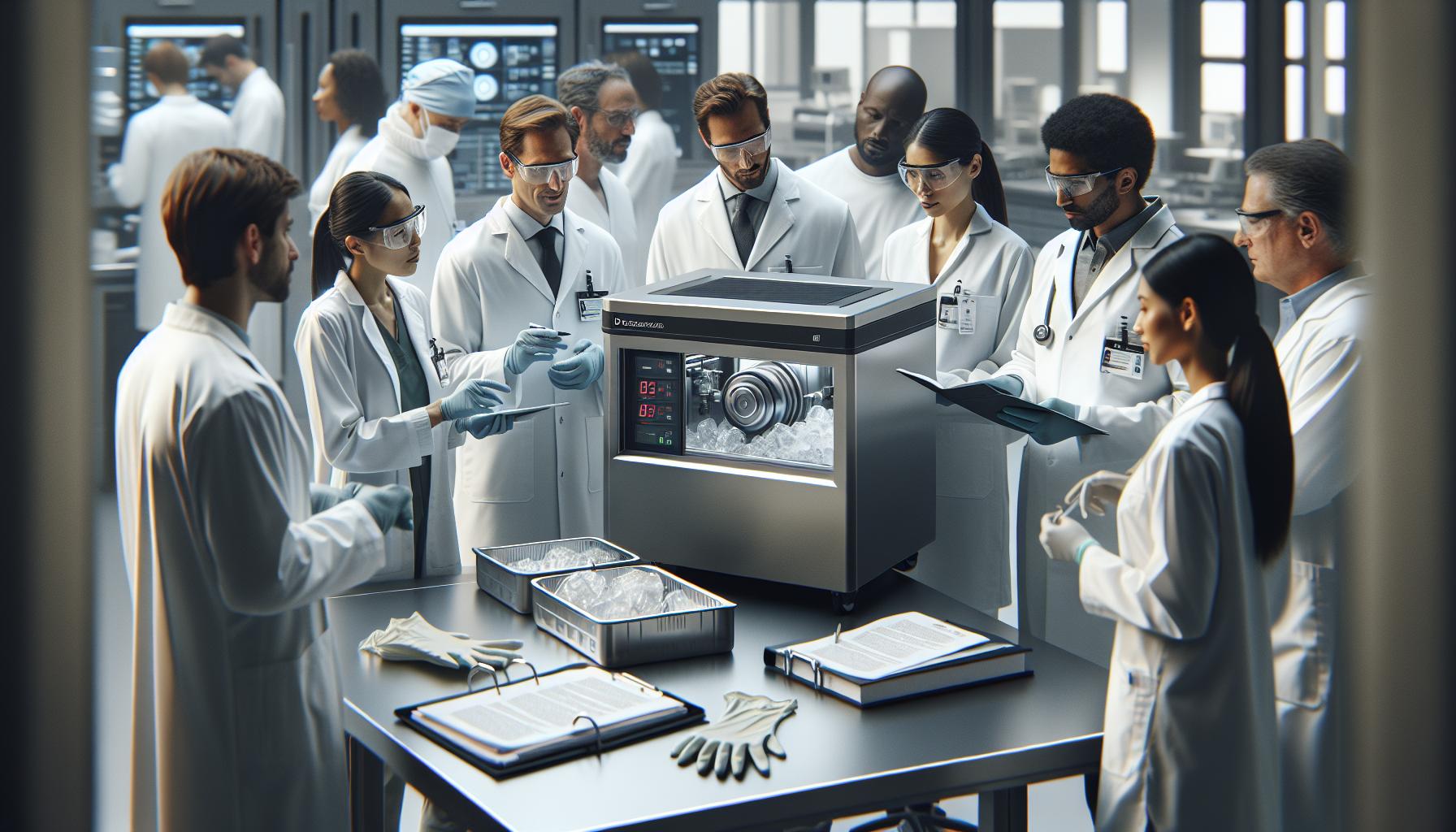
Medical Significance of Cryogenic Preservation
Cryogenic preservation stands at the forefront of modern medicine, offering revolutionary solutions for preserving biological materials for the long term. By subjecting samples to extreme temperatures-typically below -150°C-this technique effectively halts cellular metabolism and biological activity, ensuring that cells, tissues, and even organs maintain their structural and functional integrity. This preservation method is particularly valuable in various medical fields, including organ transplantation, reproductive health, and regenerative medicine.
One of the most prominent applications of cryogenic preservation is in the field of reproductive medicine, where gametes (sperm and eggs) are frozen for later use. This is particularly beneficial for individuals who wish to delay childbirth due to career, health, or personal reasons. For example, cancer patients whose fertility may be compromised by treatment can preserve their eggs or sperm before undergoing chemotherapy. The careful management of cryogenic conditions ensures that these gametes remain viable, improving the chances of successful fertilization and healthy pregnancies in the future.
Cryopreservation also plays a critical role in stem cell research and therapy, where stem cells can be stored long-term for eventual use in regenerative procedures. By freezing these cells, researchers can ensure a consistent supply for studies focused on the treatment of various conditions, including degenerative diseases, injuries, and genetic disorders. The ability to effectively preserve and later revive these stem cells has significant implications for advancing medical treatments and developing innovative therapies.
- Organ Transplantation: With organ transplants, cryogenic preservation is vital for extending the viability of organs during transport and storage.
- Research Opportunities: It provides researchers the ability to study biological processes over extended periods without decay.
- Future Innovations: Ongoing research into better cryoprotectants and techniques promises to enhance the efficiency and scope of cryopreservation.
Despite its enormous potential, it is essential for healthcare professionals engaging in cryogenic preservation to remain vigilant about safety standards and protocols. Understanding the intricacies of freezing and thawing processes is crucial to maintaining the viability of preserved materials. Moreover, as the applications of cryogenic preservation expand, continuous training and adherence to evolving guidelines ensure the highest standards of patient care and safety in medical practices. Emphasizing the importance of a collaborative approach among researchers, clinicians, and regulatory bodies will help maximize the benefits of cryogenic technologies in medicine while addressing associated ethical and logistical concerns.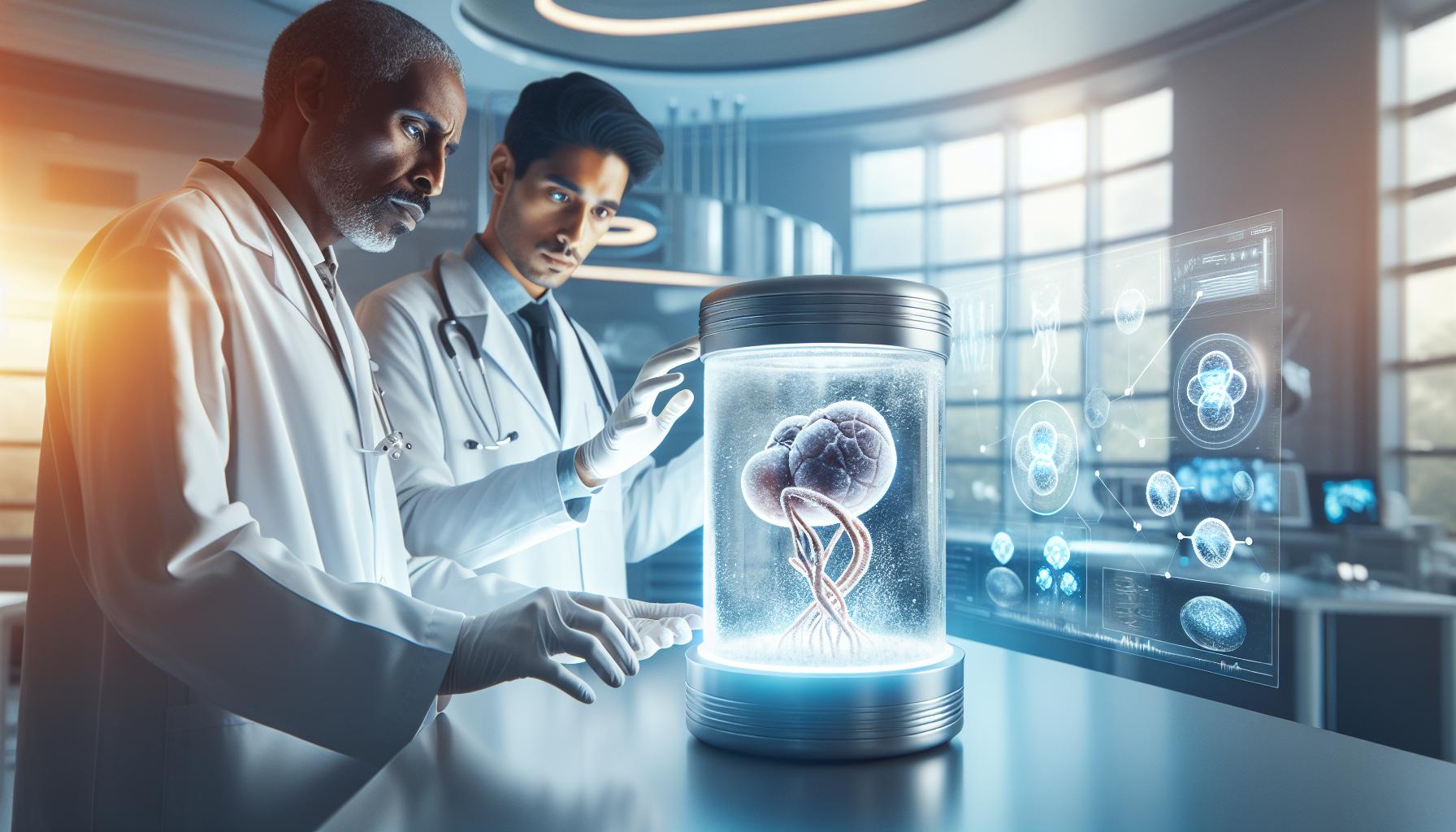
Safety Standards for Cryogenic Handling
Ensuring safety during cryogenic handling is paramount given the extreme low temperatures involved, often plunging below -150°C. These conditions require stringent protocols to minimize risks associated with equipment failure or human error. Cryogenic materials can cause severe frostbite or even worse injuries, emphasizing the need for specific protective measures. Personnel must be equipped with appropriate protective gear, including cryogenic gloves and face shields, to safeguard against accidental exposure to cryogens.
Adherence to established guidelines is crucial to maintaining safety in cryogenic environments. Facilities should implement comprehensive training programs to instruct staff on potential hazards and emergency procedures. Regular reviews of safety practices ensure that individuals are well-informed about the unique challenges posed by cryogenic handling. Importantly, clear labeling of cryogenic materials and the use of proper storage containers help mitigate risks of accidental spills or leaks, which can create hazardous conditions.
Moreover, emergency protocols must be in place to address potential accidents, such as spills or equipment malfunctions. Having immediate access to first-aid measures, such as warmth and medical assistance, can significantly reduce the severity of injuries caused by cryogenic substances. Monitoring systems that measure and alert personnel of any temperature or pressure fluctuations in cryogenic equipment can provide an additional layer of safety, ensuring swift response to prevent catastrophic failures.
Lastly, a collaborative approach among healthcare professionals, researchers, and safety officers fosters a culture of safety that prioritizes well-being. By staying informed about the latest advances in cryogenic technology and safety standards, institutions can improve their handling procedures, protecting both staff and patients alike.
Ensuring safety is not merely about following standard protocols but fostering an environment where vigilance and knowledge are cultivated-in turn promoting effective cryogenic practices that withstand the rigors of medical applications.
Cryogenic Temperature and Tissue Viability
Tissue viability is a critical consideration when discussing the implications of cryogenic temperatures in medical contexts. Cryogenic temperatures, typically defined as being below -150°C (-238°F), have profound effects on cellular structures and functions. At these low temperatures, various biological processes can slow down significantly, which plays a crucial role in preservation techniques used in medicine.
One of the primary benefits of cryogenic preservation is its ability to halt cellular metabolism, thereby maintaining cell viability over extended periods. This has far-reaching applications, particularly in organ transplantation, where the preservation of donated organs is paramount. For example, organs stored at controlled cryogenic temperatures can remain viable longer, which can help synchronize the timing of transplant surgeries with organ availability, ultimately improving patient outcomes.
However, the process of cryogenic preservation is not without its challenges. When biological tissues are frozen, the formation of ice crystals can lead to cellular damage, which can compromise tissue integrity and function when thawed. To mitigate this, medical practitioners often employ cryoprotectants-substances that help prevent ice formation within cells. These agents work by lowering the freezing point of the cellular solution, allowing for a more controlled and gentle freezing process.
Moreover, the success of tissue storage and transplantation relies on strict adherence to guidelines and protocols. Ensuring optimal temperatures and rapid cooling and warming rates are essential to maintaining tissue viability. Continued research into cryogenic engineering and application is vital for advancing medical technologies, enhancing the effectiveness of treatments, and ultimately ensuring patient safety and care quality.
While the potential of cryogenic processes in medicine is immense, it is vital for healthcare providers to remain vigilant and informed. As with all medical interventions, consulting with specialists in the field can help navigate the complexities surrounding the preservation and viability of tissues at cryogenic temperatures. By taking these precautions, the benefits of cryogenics can be maximized while minimizing risks associated with tissue storage and retrieval.
Cryogenic Storage: Best Practices for Medical Use
The effective utilization of cryogenic storage in medical applications hinges on a combination of precise temperature management, protocol adherence, and technological integration. Maintaining temperatures below -150°C (-238°F) is crucial in preventing cellular metabolism and preserving tissue integrity for extended periods. Not only does this preservation enable the safe storage of organs for transplantation, but it also facilitates the long-term storage of biological samples for research and therapeutic use.
To optimize cryogenic storage practices, several best practices should be consistently followed:
Temperature Monitoring
Regular monitoring of storage temperatures is essential. Utilize calibrated, real-time temperature tracking devices that can alert staff to any deviations from the set parameters. This ensures quick responses to prevent potential damage to biological materials.
Use of Cryoprotectants
Implementing cryoprotectants effectively minimizes ice crystal formation during freezing. Prior to freezing tissues or cells, treat them with agents such as dimethyl sulfoxide (DMSO) or glycerol. These compounds lower the freezing point within cells, facilitating a smoother preservation process.
Standard Operating Procedures (SOPs)
Develop detailed SOPs covering the entire cryogenic process, from sample collection and preparation to storage and retrieval. These SOPs should outline the handling procedures of sensitive materials to minimize risks and ensure consistency across practices. Training staff rigorously within these protocols is vital for maintaining high standards of care.
Safe Handling and Equipment Maintenance
All personnel involved in cryogenic handling must wear appropriate protective gear to prevent injuries related to extreme cold. Furthermore, regular maintenance of cryogenic storage equipment is critical to ensuring reliability. Conduct routine checks on storage units, including liquid nitrogen levels, and promptly address any equipment malfunctions.
By adhering to these best practices, medical facilities can enhance the effectiveness of cryogenic storage and contribute to improved patient outcomes. While the technology offers boundless possibilities, a commitment to safety and protocol precision remains paramount. As in all medical interventions, it is imperative that healthcare professionals consult with specialists to navigate the complexities of cryogenic applications responsibly.
Applications of Cryotherapy in Medicine
Cryotherapy, the use of extremely low temperatures for medical therapy, has gained significant traction in recent years due to its wide-ranging applications and promising outcomes. This therapeutic approach has been employed not just for alleviating pain but also for enhancing recovery in various medical fields. At the core of cryotherapy’s effectiveness lies the principle of inducing controlled tissue damage, which activates the body’s natural healing processes.
One of the most prevalent uses of cryotherapy is in the treatment of musculoskeletal injuries and chronic pain. Athletes frequently rely on this technique for recovery, utilizing methods such as ice baths or localized cryoapplication to reduce inflammation and promote healing after strenuous physical activity. Studies indicate that cryotherapy can help minimize pain and swelling by constricting blood vessels, which can accelerate the recovery process. Furthermore, its analgesic effects, experienced immediately after treatment, provide temporary relief that may help patients resume their daily activities with less discomfort.
Wider Medical Applications
Beyond sports medicine, cryotherapy is increasingly being recognized for its applications in dermatology and oncology. Dermatological conditions such as warts, acne, and actinic keratosis can be effectively managed using cryotherapy techniques, where liquid nitrogen is applied to target lesions. The procedure results in the destruction of abnormal cells while leaving surrounding tissues relatively unharmed, thereby promoting healthier skin renewal.
In oncology, cryoablation is a minimally invasive procedure that utilizes extreme cold to destroy cancerous tissues. This approach allows for targeted treatment with minimal invasiveness compared to traditional surgical methods, leading to reduced recovery times and fewer complications. Research continues to explore the potential of this technique in conjunction with other cancer therapies, enhancing overall treatment effectiveness.
Safety and Consultation
While the benefits of cryotherapy are substantial, it is crucial for patients to consult healthcare professionals before undergoing any cryogenic treatments. Each individual’s medical history and condition can influence the appropriateness of cryotherapy, and personalized advice can ensure treatment is both safe and effective. Adhering to guided protocols and safety precautions during cryotherapy procedures is essential to minimize the risk of adverse effects, such as frostbite or damage to surrounding healthy tissues.
In summary, the diverse underscore its importance in contemporary healthcare practices, offering innovative solutions for injury recovery, dermatological improvement, and even cancer treatment. As research advances, the potential of cryotherapy could expand further, promising exciting developments in patient care and treatment modalities.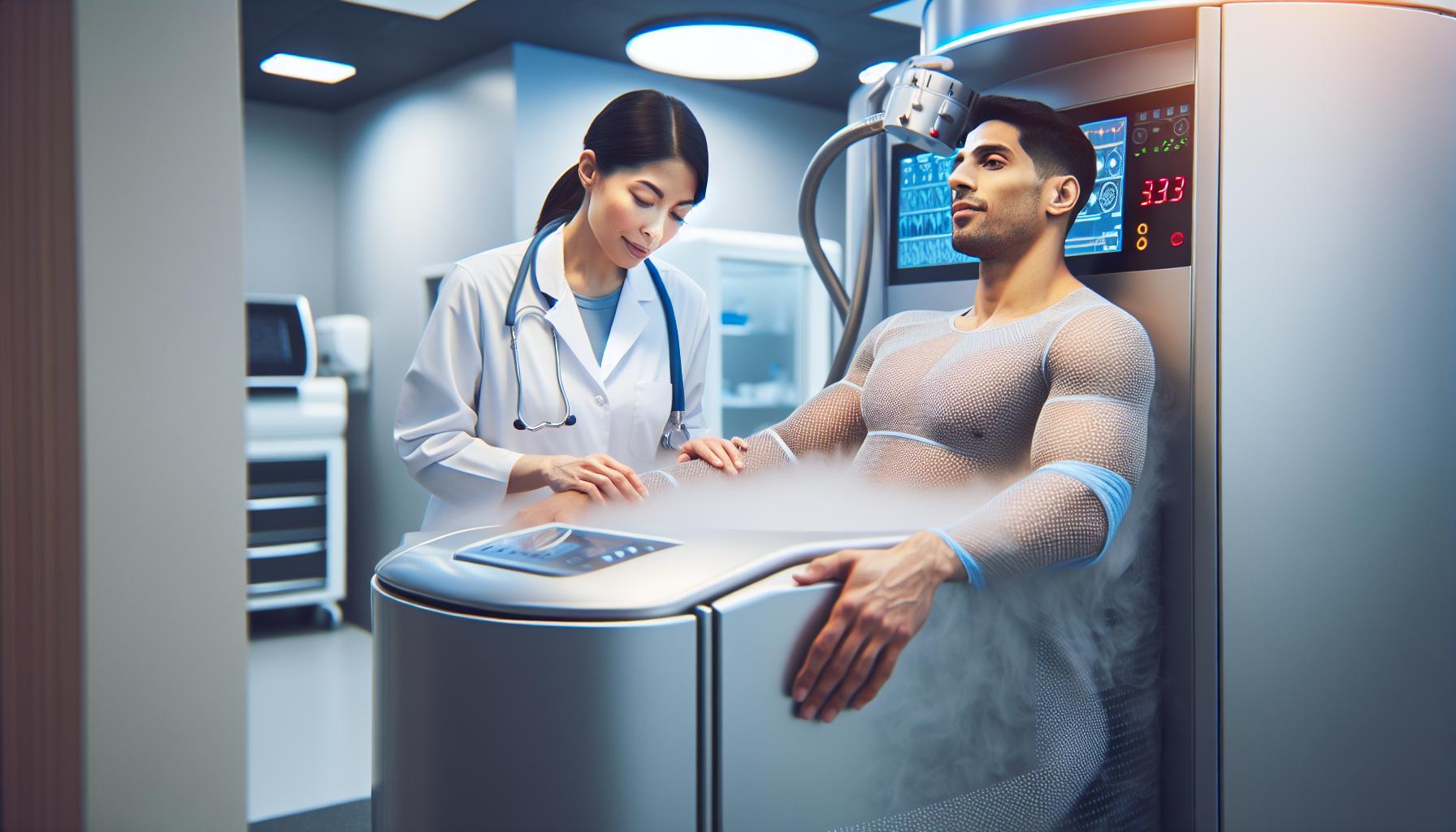
Future Trends in Cryogenic Medical Technologies
As the field of cryogenics in medicine evolves, emerging technologies promise to revolutionize treatment modalities and enhance patient outcomes. Innovations in cryotherapy and cryopreservation are under constant exploration, with researchers aiming to precisely target tissues without affecting healthy surrounding areas. This precision could potentially lead to more effective treatments in various medical spheres, including pain management and oncology.
One exciting future trend is the integration of artificial intelligence (AI) and machine learning in cryogenic procedures. These technologies can optimize treatment plans based on real-time data analysis, improving decision-making during cryotherapy sessions. Adaptive algorithms could personalize treatments by considering individual patient responses, enhancing the efficacy of cryotherapy across diverse patient populations. Moreover, the application of AI can improve the accuracy of monitoring tissue responses during cryogenic procedures, ensuring better safety and outcomes.
In addition, advancements in cryogenic storage techniques are set to improve the preservation of biological materials. Research into new cryoprotectants and improved freezing protocols aims to mitigate cellular damage during the freezing process, enhancing the viability of tissues and organs for transplantation. As the demand for organ transplants increases, these improvements could significantly impact the availability of viable organs, thereby saving more lives.
Furthermore, novel cryogenic devices are being developed that offer greater ease of use and accessibility for clinicians. Portable cryotherapy units, for instance, are making it possible for treatments to be administered in outpatient settings or even at home, expanding patient access to these therapeutic benefits. As technology continues to advance, we can expect the cryogenic field to play an increasingly central role in comprehensive medical care, complemented by ongoing research and professional guidance for safe and effective applications.
The future of cryogenic medical technologies not only holds potential for enhancing existing treatments but also for pioneering new applications that can significantly alter patient care paradigms. By staying informed and seeking professional advice, patients can effectively navigate these promising developments while ensuring their individual needs and safety are prioritized throughout their treatment journey.
Challenges and Risks of Cryogenic Procedures
The prospect of cryogenic procedures in medicine brings with it both exciting possibilities and significant challenges. As temperatures fall below -150°C, the effects on biological tissues can be profound and, at times, unpredictable. While cryogenics offers innovative treatment options ranging from tissue preservation to targeted therapies, the inherent risks associated with such extreme conditions necessitate careful consideration and management.
One of the primary challenges in cryogenic procedures lies in the risk of cellular damage due to ice formation within tissues. When cells are rapidly frozen, ice crystals can form, leading to physical rupture and compromising cell viability. This damage is particularly concerning in delicate tissues, making the selection of appropriate cryoprotectants and-controlled cooling rates essential for successful outcomes. Adverse reactions to cryogenic treatment can also occur; some patients may experience unexpected sensitivity, including skin burns or nerve damage, if the procedure is not administered correctly.
Additionally, there are psychosocial impacts to consider. Patients may hold unrealistic expectations about the effectiveness of cryotherapy in treating conditions like chronic pain or skin lesions, due in part to media portrayals and anecdotal testimonials. Clear communication from healthcare providers about potential outcomes and limitations is critical in managing patient expectations and ensuring informed consent prior to any cryogenic treatment.
In terms of safety, rigorous guidelines and training are crucial for healthcare professionals involved in cryogenic applications. Additionally, facilities must be equipped with emergency protocols to handle any complications that may arise during procedures. The following strategies can help mitigate some of these risks:
- Patient Assessment: Thoroughly assess each patient’s medical history and condition before proceeding with cryogenic treatment.
- Controlled Environment: Ensure that the procedure is performed in a controlled setting, with appropriate temperature monitoring and equipment.
- Post-Treatment Monitoring: Establish a regimen for monitoring patients after procedures to identify any adverse effects promptly.
- Education: Provide comprehensive education to patients regarding the procedure, including potential risks and expected outcomes.
By recognizing and addressing the challenges and risks inherent in cryogenic procedures, healthcare providers can enhance patient safety and treatment efficacy while paving the way for further advancements in this innovative field. Always consult with qualified professionals to navigate these complex decisions and ensure personalized care tailored to individual health needs.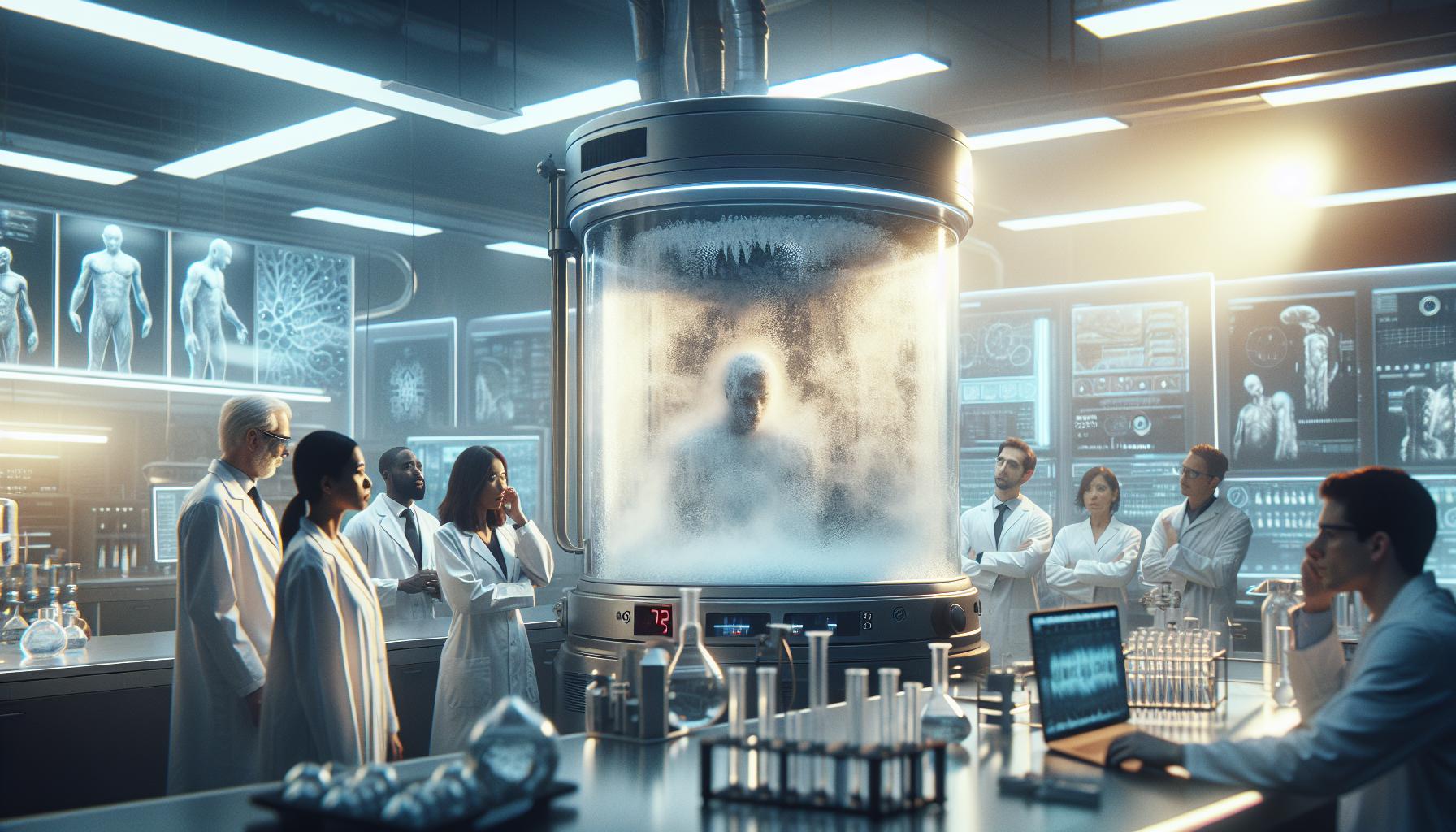
Comparative Analysis: Cryogenic vs. Traditional Medical Methods
The application of cryogenic technology in medicine presents transformative possibilities compared to traditional medical methods, primarily due to its unique capabilities in preserving biological tissues and treating various conditions. At temperatures below -150°C, cryogenics employs extreme cold to achieve results that conventional treatments cannot. For instance, while traditional preservation methods often involve refrigeration, cryogenic preservation can maintain cellular integrity for an indefinite period, making it invaluable for tissue banks and organ donation.
One notable distinction is in the way cryogenic techniques manage cellular viability. In traditional treatments, such as surgical procedures or conventional medications, maintaining the health of biological tissues is paramount, often using heat or pharmacological means to address conditions. However, cryogenic approaches can prevent the biological decay of tissues by halting metabolic processes altogether. This capability opens avenues for advancements in transplant medicine, enabling the preservation of organs and tissues for extended periods without losing functionality.
The effectiveness of cryotherapy, a popular application of cryogenic technology, contrasts sharply with traditional pain management methods, such as pharmaceuticals or physical therapy. While these approaches may address symptoms temporarily, cryotherapy acts by targeting the source of pain or inflammation, facilitating rapid recovery and long-term benefits. It is particularly effective in managing conditions like arthritis, sports injuries, and dermatological issues, offering a refreshing alternative to the ongoing use of medications with potential side effects.
Despite its advantages, the transition from traditional methods to cryogenic approaches is not without challenges. The complexity of cryogenic procedures necessitates specialized training and stringent protocols to minimize risks, such as cellular damage due to improper freezing rates or inadequate cryoprotectant selection. As such, while cryogenic methods promise greater efficacy and opportunities for innovative treatments, healthcare providers must navigate these methods carefully. This ensures that patients receive safe and effective care tailored to their individual medical needs, reinforcing the importance of professional guidance in every step of treatment decisions.
FAQ
Q: What temperature range is considered cryogenic according to medical standards?
A: Cryogenic temperatures in medical standards are typically defined as being below -150 degrees Celsius (-238 degrees Fahrenheit). This range is crucial for procedures such as cryopreservation and cryotherapy, where tissue preservation and recovery are essential.
Q: Why are cryogenic temperatures important in medical practice?
A: Cryogenic temperatures are vital in medicine for preserving cells, tissues, and organs. By freezing biological materials, healthcare providers can ensure they remain viable for transplantation or research, which is essential for treatments, including stem cell therapies.
Q: How does cryotherapy work at cryogenic temperatures?
A: Cryotherapy involves exposing the body to extremely cold temperatures, often using liquid nitrogen, to reduce inflammation, relieve pain, and promote healing. This process is effective in treating conditions like arthritis, sports injuries, and muscle soreness by constricting blood vessels and reducing swelling.
Q: What safety precautions are necessary when working with cryogenic temperatures?
A: When handling cryogenic agents, it’s essential to wear protective gear, including insulated gloves and goggles, to prevent frostbite or cold burns. Additionally, proper storage and ventilation must be followed to avoid hazards associated with cryogenic gases.
Q: How does tissue viability get affected by cryogenic temperatures?
A: Cryogenic temperatures can preserve cell integrity and sustain viability by halting metabolic processes. However, the speed of freezing and thawing must be controlled to avoid ice crystal formation, which can damage cells, making optimal procedures essential for medical applications.
Q: What common medical applications utilize cryogenic temperatures?
A: Common medical applications of cryogenic temperatures include cryopreservation for fertility treatments, storage of blood and stem cells, and cryosurgery for removing tumors. These methods leverage the low temperatures to prolong preservation and enhance treatment efficacy.
Q: How do cryogenic standards vary across different medical fields?
A: Cryogenic standards can vary significantly between fields such as reproductive medicine, transplant surgery, and oncology. Each area has specific temperature guidelines and protocols that cater to the unique requirements for preserving tissues, organs, and biological materials.
Q: What future trends are emerging in cryogenic medical technologies?
A: Future trends in cryogenic medical technologies include advancements in cryopreservation techniques, improved cryotherapy devices, and enhanced understanding of the cellular response to cryogenic conditions. These innovations aim to optimize the effectiveness of cryogenic treatments and expand their applications in medicine.
Key Takeaways
Understanding what temperatures are considered cryogenic is essential for anyone involved in medical applications, particularly those related to preservation and treatment options. Remember, while cryogenic treatments can significantly enhance material properties and biological applications, consulting healthcare professionals is crucial for personalized advice and decisions.
To explore more about the effects of cryogenics on health and technology, check out our articles on cryogenic treatments and their impact on medical devices. If you found this guide helpful, consider subscribing to our newsletter for the latest insights in medical standards and technologies. Don’t hesitate to share your thoughts or questions in the comments below-your engagement drives our community forward!