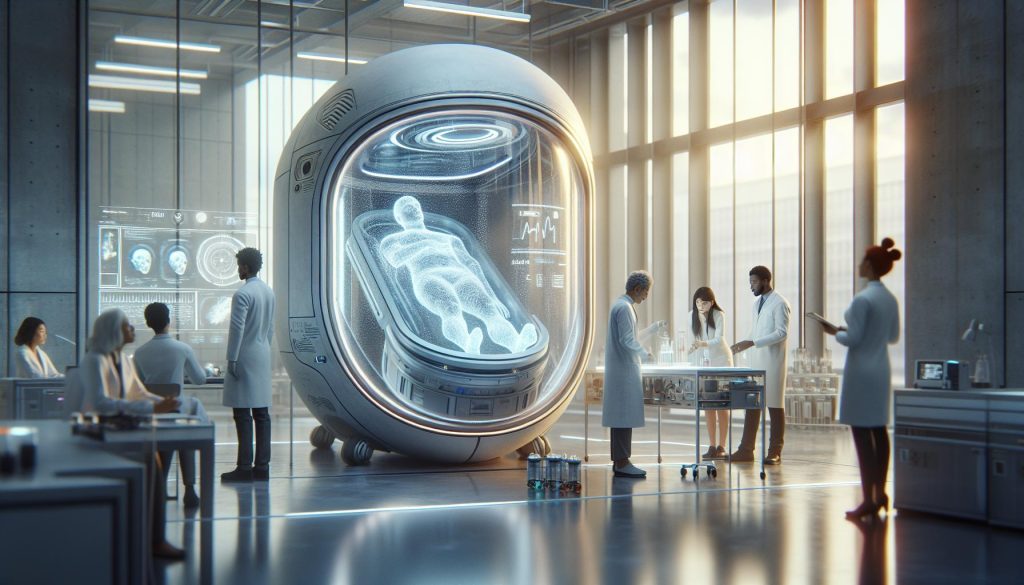
Imagine a world where diseases could be cured, aging could be delayed, and organs could be preserved indefinitely. This tantalizing vision is at the heart of cryogenics, the science of studying materials at extremely low temperatures, which holds promising potential in medicine. As researchers explore the future medical possibilities of cryogenics, questions arise about its feasibility and the ethical implications of such innovations. With advancements in this field, the prospect of successful cryogenic applications could reframe our understanding of health and longevity. Are we on the brink of a medical revolution that could reshape lives and extend human capacities? Join us as we delve into the intriguing future of cryogenics and its potential to change the landscape of medicine.
Understanding Cryogenics: The Basics Explained
Cryogenics is a fascinating field that delves into the behaviors of materials at extremely low temperatures, typically below -180 °C. This science plays a crucial role in various industries, particularly in medicine, where it has the potential to revolutionize how we conserve biological samples and even organs for transplant. The core concept of cryogenics revolves around the principles of thermodynamics and material science, exploring how different elements react, change, or remain stable when subjected to intense cold.
At its core, cryogenics involves the use of substances like liquid nitrogen or helium to achieve these low temperatures, leading to a range of effects including the preservation of cellular structure and metabolic activity. The applications extend to medical imaging techniques, such as MRI, which rely on cryogenic technologies for their function. By reducing temperatures, cryogenics enhances the performance of superconducting materials, which are essential in the creation of powerful magnetic fields used in imaging diagnostics.
Understanding cryogenics also involves recognizing the intricate balance between its benefits and the challenges it poses. While the promise of long-term preservation of organs and tissues raises exciting possibilities for transplantation, the complexity of cellular damage due to ice crystal formation and metabolic arrest during the cooling process presents significant hurdles. Advances in cryopreservation techniques are ongoing, as researchers seek ways to mitigate these challenges and enhance the viability of preserved biological materials.
As society continues to explore the vast potential of cryogenics, it becomes increasingly important to consider not only its scientific and medical implications but also the ethical aspects surrounding the technology. As we stand on the brink of potential breakthroughs, the dialogue between scientific advancement and ethical responsibility will be crucial in navigating the future of cryogenics in healthcare.
The Science Behind Cryogenics: How It Works

The intriguing world of cryogenics operates at the intersection of physics and technology, using extremely low temperatures to manipulate the properties of materials. At its core, cryogenics relies on principles from thermodynamics to explore how various substances behave under conditions well below the freezing point of water, typically below -180 °C. By achieving these temperatures with materials such as liquid nitrogen or helium, scientists can observe novel phenomena that can significantly impact various fields, especially medicine.
When biological tissues are exposed to cryogenic temperatures, several key effects come into play. Preservation of cellular integrity is critical, as cooling can slow down metabolic processes, potentially allowing for the long-term storage of cells, tissues, and even organs without significant degradation. However, the cooling process must be carefully controlled to avoid ice crystal formation, which can puncture cell membranes and lead to cellular death. This challenge drives ongoing research aimed at developing cryoprotectants-substances that can be added to biological samples to mitigate ice formation and enhance cell survival rates during freezing.
Understanding how substances interact at these low temperatures is essential not only for preserving biological samples but also for advancing medical technologies. For instance, advancements in cryogenics have enabled the development of superconducting materials, which exhibit no electrical resistance when cooled. This is crucial for medical imaging technologies like MRI, where superconductors are used to generate strong magnetic fields, leading to clearer diagnostic images.
As research continues, the potential applications of cryogenics in medicine expand, bringing with them exciting possibilities for organ transplantation, regenerative medicine, and even long-term storage of genetic material. With each discovery, the field of cryogenics challenges our understanding of what is feasible in modern healthcare, suggesting that the future could hold groundbreaking solutions to some of the most pressing medical challenges we face.
Potential Medical Applications of Cryogenics

The are as intriguing as they are varied, reflecting the promise this technology holds for advancing healthcare. One of the most significant areas of exploration is organ preservation. Currently, the shortage of available organs for transplantation is a critical challenge. Cryopreservation techniques seek to extend the viability of organs by cooling them to ultra-low temperatures, slowing metabolic processes and preserving cellular integrity. Researchers are actively developing methods to cryopreserve organs, which could revolutionize transplant medicine by allowing organs to be stored for extended periods and transported over long distances without losing function [2[2].
In regenerative medicine, cryogenics plays a pivotal role in preserving cells and tissues for research and therapeutic use. Techniques to freeze stem cells or other valuable biological materials can facilitate advancements in cell therapy, where patients’ own cells are used for treatment. By ensuring these cells remain viable for extended periods, cryogenics enhances the potential for developments in treating degenerative diseases, thereby changing the landscape of chronic illness management [1[1].
Moreover, cryogenics has the potential to impact reproductive medicine. For instance, oocytes (egg cells) and sperm can be preserved through cryogenic techniques, allowing for fertility treatments that span the years. This capability benefits individuals facing medical treatments that might compromise their fertility, as well as those who delay parenthood for personal or professional reasons. Additionally, breakthroughs in cryopreservation could lead to enhanced success rates in assisted reproductive technologies, providing hope to many 2.
As scientific understanding evolves, new avenues for cryogenic applications continue to emerge. From antimicrobial interventions in food processing to innovative medical technologies and research methodologies, the possibilities are vast. As promising as these advancements appear, it’s essential to recognize that, while cryogenics holds transformative potential, ongoing research and professional healthcare guidance remain crucial for ensuring safety and efficacy in its applications.
Current Research in Cryogenics and Medicine

With advancements in technology and a growing understanding of materials at ultra-low temperatures, research in cryogenics continues to innovate the medical field. One of the most promising areas lies in organ preservation, where scientists are pursuing techniques that extend the viable life of organs for transplantation. Current approaches focus on optimizing the cryopreservation process, which could allow organs to be safely stored for longer durations while maintaining their cellular functionality. This advancement could potentially address the critical shortage of available donor organs, making transplants more feasible for patients in need.
Moreover, regenerative medicine stands to benefit significantly from ongoing research in cryogenics. For instance, scientists are exploring methods to effectively freeze stem cells and other cellular materials, which are crucial for various therapies. Research indicates that well-preserved cells can play a vital role in treating degenerative diseases, enhancing treatment outcomes for conditions that currently lack effective therapies, such as certain neurological disorders. As researchers fine-tune these cryopreservation methods, they unlock a trove of possibilities for personalized medicine and targeted therapies.
In the landscape of reproductive health, cryogenic technologies are being deployed to preserve gametes, such as sperm and egg cells. Groundbreaking studies are focusing on improving the success rates of assisted reproductive technologies through enhanced cryopreservation techniques. This not only provides options for individuals undergoing medical treatments that may affect fertility but also supports those wishing to delay family planning. The societal implications of such advancements are profound, as they grant more individuals the opportunity for biological parenthood, regardless of their circumstances.
As research continues, ethical considerations and the societal implications of cryogenics remain paramount. Questions about informed consent, the long-term effects of cryopreservation on both cells and individuals, and the implications of extending life through technological means challenge researchers and ethicists alike. Ongoing dialogue in these areas is vital to ensure not only the advancement of medical science but also the ethical integrity of its applications. As these studies evolve, they pave the way for a future where cryogenics might fundamentally alter how we approach healthcare and human longevity.
Cryogenics in Preservation: Organ and Tissue Storage

The ability to preserve organs and tissues at extremely low temperatures promises to revolutionize medical science, particularly in the field of transplantation. Cryogenic preservation involves cooling biological materials to a state where metabolic and chemical processes slow significantly, effectively pausing their biological clock. This innovative technique holds the key to extending the shelf life of vital organs beyond current limitations, which could dramatically enhance the success of transplant surgeries.
In recent advancements, researchers are exploring various cryopreservation methods that aim to optimize not only the initial freezing process but also the thawing phases to ensure cell viability is maintained. For instance, the introduction of cryoprotectants-substances that help prevent ice crystal formation-has shown promise in reducing cellular damage during the freezing process. The development of more sophisticated cooling techniques and precise temperature control also aids in preserving cellular structure, improving outcomes post-transplantation. Studies have demonstrated that organs such as kidneys and livers can be stored for extended periods, potentially alleviating the critical shortage of donor organs available for transplant.
Challenges in Organ Cryopreservation
While the potential is vast, there are significant challenges that must be addressed before widespread clinical implementation becomes a reality. The formation of ice crystals within cells can cause irreparable damage, and researchers are continuously seeking to refine techniques that minimize this risk. Additionally, the balance of cryoprotectants must be carefully calibrated; while they protect cells from freezing damage, excessive concentrations can be toxic.
Public trust and ethical considerations regarding organ preservation and transplantation are crucial as well. As the field progresses, the importance of informed consent and understanding the implications of extended organ storage must be a priority. Educating both healthcare providers and patients about the benefits and limitations of current cryogenic technologies will be essential for fostering a supportive environment around these innovations.
The future of organ preservation through cryogenic methods is not just about increasing the chances of successful transplants; it also represents a significant step towards addressing global health challenges like organ scarcity. As researchers overcome existing hurdles and refine techniques, the landscape of transplant medicine could be dramatically altered, ultimately paving the way for a brighter future in healthcare.
Challenges Facing Cryogenic Technologies

Cryogenic technologies hold immense promise for the future of medicine, particularly in organ preservation and tissue storage. However, several significant challenges must be addressed before these technologies can be widely adopted in clinical settings. The prospect of storing organs for extended periods could revolutionize transplant medicine, but the hurdles currently facing cryogenics are formidable and complex.
A primary concern is the formation of ice crystals during the cooling process, which can cause irreparable cellular damage. Even small ice crystal formations can disrupt cellular structures, leading to reduced viability and functionality of preserved tissues. Overcoming this requires innovative techniques to control freezing rates and maintain cellular integrity. Advanced cryoprotectants, which prevent ice formation, are being studied, but their concentrations must be meticulously balanced; while they provide protection against freezing damage, high levels can be toxic to cells, complicating the preservation process.
Furthermore, ensuring the safety and efficacy of cryogenic preservation raises ethical considerations. As the technology advances, transparency about its implications becomes paramount. Patients and healthcare providers need to be well-informed regarding the potential benefits and risks associated with cryogenic organ storage. Informed consent and a robust understanding of the technology’s limitations will be essential in fostering public trust and acceptance.
Moreover, the scalability of cryogenic technologies presents logistical challenges. The infrastructure required for widespread cryogenic organ storage and transportation is not yet in place. Facilities need to be equipped with specialized equipment capable of maintaining extremely low temperatures consistently, necessitating significant investment and training. As researchers work to refine preservation techniques, it is crucial that they also collaborate with healthcare systems to ensure that the transition from research to clinical practice is smooth and efficient.
In summary, while the potential of cryogenic technologies is captivating, addressing these challenges is vital for their successful integration into medical practice. Ongoing research and development, combined with ethical considerations and proper infrastructure, will be what ultimately determines how we harness the power of cryogenics in the future of healthcare.
Ethical Considerations in Cryogenic Practices

As the potential of cryogenic technologies expands, particularly within the realm of medicine, the ethical implications surrounding their use become increasingly complex. With aspirations to preserve organs and tissues at ultra-low temperatures for future transplantation, questions arise about the morality of manipulating life and death. The pursuit of cryogenic preservation is not solely a scientific endeavor; it is also fraught with ethical dilemmas that demand careful consideration.
One of the foremost ethical considerations is informed consent. Patients must be fully aware of the risks and benefits related to cryogenic preservation procedures. This includes an understanding of the current limitations of the technology, such as the potential for cellular damage during thawing, which may not allow for optimal functionality of preserved tissues. Clear communication about the uncertainties inherent in this technology is crucial to build trust between patients and healthcare providers. Therefore, educational initiatives that empower patients with knowledge about the entire process can significantly enhance the ethical integrity of cryogenic practices.
Moreover, the implications of extending life through cryogenic preservation raise important societal questions. Should there be limits on the use of these technologies? For instance, the potential for socioeconomic disparities in access to such advanced medical options could exacerbate existing health inequalities. If only a select group can afford cryogenic services, ethical considerations about who receives care can emerge, leading to difficult conversations about equity in healthcare. Balancing the benefits of these technologies with the moral responsibility to ensure fair access is a pivotal challenge that the medical community must address.
Lastly, as cryogenic practices mature, the potential for commercialization looms large. The regulation of cryogenic services and the commercialization of human life raise ethical concerns about profit-driven motives overriding patient welfare. It is crucial for regulatory bodies to establish guidelines that ensure ethical practices are upheld in this evolving field. Professionals involved in the cryogenics sector must prioritize the well-being of patients above financial incentives, fostering an environment of ethical integrity that aligns with the core tenets of medical practice.
In summary, as we explore the promising frontiers of cryogenics in medicine, it is vital to navigate the ethical landscape with care. Upholding informed consent, addressing social inequalities, and ensuring regulatory oversight are not just best practices-they are essential for respecting the dignity and rights of individuals as we step into this uncharted territory.
Future Innovations: What Lies Ahead for Cryogenics?

The potential of cryogenics in medicine is not merely theoretical; it is on the brink of becoming a transformative force in healthcare. As research progresses, several innovative avenues are emerging that could redefine our understanding and application of cryogenic technologies. For instance, advancements in cellular preservation methods have shown promise in extending the viability of organs and tissues beyond traditional timeframes. By enhancing techniques for cryopreservation, scientists hope to mitigate cellular damage during the thawing process, a crucial factor in successful transplantation.
Innovative applications are also surfacing in the realm of personalized medicine. The integration of cryogenic techniques with genetic research may allow for the preservation of individual stem cells or tissues, offering tailored therapeutic options for patients suffering from chronic diseases or injuries. For example: researchers are exploring how cryopreserved stem cells can be utilized in regenerative medicine, potentially enabling the growth of new tissues or organs directly from a patient’s own cells, thereby reducing the risk of rejection.
Moreover, the field of cryogenics is expanding into drug development and testing. The ability to conduct research at cryogenic temperatures may yield insights into the behavior of biological macromolecules, unlocking new pathways for drug design. This could lead to: more targeted therapies for diseases such as cancer, where the efficacy of a drug can be tested in an environment that mimics the body’s conditions more accurately.
With these advancements come the necessity for robust ethical frameworks and governance. As cryogenics push the boundaries of traditional healthcare, regulations will need to evolve to ensure patient safety and access. Enhanced public education and transparency regarding the benefits and limitations of cryogenic technologies will be essential as they become a more integral part of medical practice.
In summary, the horizon for cryogenics in medicine is filled with exciting possibilities. Continued interdisciplinary collaboration and technological investment will be vital in unlocking the full potential of cryogenics, ensuring it serves humanity’s greater health needs while maintaining ethical standards. As these innovations unfold, consulting healthcare professionals for personalized information and guidance will remain paramount.
Public Perception and Misunderstandings of Cryogenics

The fascinating world of cryogenics often conjures up polarizing views, with many people equating it with science fiction or life-extension fantasies. In reality, there exists a substantial gap between public perception and the scientifically-grounded applications of cryogenics in today’s medical and technological landscapes. Misunderstandings often stem from the portrayal of cryogenic preservation in popular media, leading to misconceptions about its effectiveness and practicality. For instance, while the concept of freezing a human body until future medical advancements can cure illnesses is captivating, the actual processes and challenges involved in cryogenics are far more complex.
Many are unaware that cryogenics encompasses a range of technologies already vital to medical practices, such as cryopreservation for organs and tissues, which have demonstrated real-world success. However, the overarching skepticism towards cryogenic methods can hinder necessary public discourse about its advancements. Engaging in this conversation begins with recognizing the incredible precision and research that underpin cryogenic techniques. For example, cryotherapy, a form of cryogenic treatment, is widely accepted for pain relief and tissue injuries, thus validating some applications of freezing temperatures in patient care.
To bridge the gap between reality and perception, increased transparency about cryogenic technologies and their limitations is essential. Public education initiatives can demystify misconceptions by highlighting current research and success stories. Utilizing case studies where cryogenics have facilitated organ transplants or improved drug design could serve as powerful tools to reshape understanding. Ultimately, addressing these misunderstandings requires a commitment not only from the scientific community but also from educators and healthcare professionals to provide accurate information and highlight ethical considerations in cryogenic practices. This collaborative approach will empower individuals to form informed opinions about the potential of cryogenics in medicine and beyond.
Real-Life Case Studies: Successes and Failures

The field of cryogenics has witnessed both remarkable successes and notable failures, shaping the discourse around its potential in medicine. One of the most compelling successes is the cryopreservation of human embryos and reproductive cells. Clinics around the world have successfully employed these techniques to help couples struggling with infertility, resulting in thousands of live births. Studies have shown that properly cryopreserved embryos retain their viability, enabling families to conceive years later when they are ready, thereby reshaping the narrative on reproductive health.
Conversely, failures in cryogenic practices serve as cautionary tales. The high-profile case of the infamous “cryonics” movement illustrates this point. While the concept of freezing someone with the hope of regaining life in the future is intriguing, the process has faced significant scientific hurdles. Cases have emerged where individuals were cryopreserved but later discovered that their tissues had been irreparably harmed. This underscores the need for rigorous protocols and understanding of biological limits when applying such extreme technologies.
In medical research, the use of cryogenics has also facilitated advancements in organ preservation. Successful trials have demonstrated that organs, such as kidneys and livers, can be effectively stored at low temperatures for transplantation. However, challenges remain, particularly with optimizing protocols to minimize cellular damage during the freezing and thawing processes. Ongoing research aims to enhance these techniques, which could ultimately increase the number of viable organs available for transplant and improve outcomes for patients in need.
As we explore the future of cryogenics, it is crucial to learn from both successes and failures. This knowledge not only instills hope but also highlights the importance of scientific scrutiny and ethical considerations in applying these innovative technologies. By improving the understanding and methodologies behind cryonics and cryopreservation, there is great potential to revolutionize healthcare and patient outcomes. Engaging with these real-life examples can foster a more nuanced conversation around what cryogenics might promise in the realm of medicine moving forward.
Planning for the Future: How Cryogenics Might Change Healthcare

With the rapid advancements in technology and our understanding of biological systems, the potential of cryogenics in healthcare is beginning to take shape in exciting ways. Imagine a future where damaged organs can be restored to functionality after being preserved at low temperatures, or where severe injuries can be treated with tissues that have been frozen and thawed with no loss of viability. These possibilities, once relegated to the realm of science fiction, are now being explored as researchers aim to harness the power of cryogenics to transform medical practices.
One of the primary areas where cryogenics may usher in significant change is in organ transplantation. Currently, the availability of viable organs is a critical barrier to successful transplant outcomes. By optimizing cryopreservation techniques, researchers can extend the shelf life of organs, allowing them to be transported over greater distances without degradation. This advancement could lead to more successful transplants, ultimately saving more lives. Furthermore, innovations in refining the thawing processes to minimize cell damage could significantly enhance the viability of stored tissues post-transplant.
In addition to organ preservation, cryogenics holds great promise in regenerating damaged tissues, such as in cases of severe trauma or degenerative diseases. The potential to cryopreserve stem cells or other regenerative tissues opens new avenues for personalized medicine. Consider the implications of treating conditions like spinal cord injuries or degenerative disc disease with patients’ own cells that have been cryogenically preserved. As research continues, the integration of cryogenics into cellular therapies could revolutionize how we approach healing and recovery.
Realizing the Potential: Obstacles and Considerations
Even with these exciting prospects on the horizon, substantial challenges remain. Critical among these are the ethical implications and technical hurdles associated with cryopreservation. As techniques improve, ensuring that ethical practices are upheld-especially concerning the storage and potential use of human tissues-will be paramount. Moreover, the scientific community must tackle the complexities of biological responses to extreme temperatures to ensure that any treatments derived from cryogenic technologies are both safe and effective.
As we look forward, the future of cryogenics in healthcare can only be realized through a collaborative effort between scientists, medical professionals, and ethicists. Patient safety must consistently be at the forefront of this research. Ongoing clinical trials and public discourse will help to shape the development of technologies that may one day redefine life-saving medical practices. By continually assessing both the scientific advancements and the ethical landscape, stakeholders can navigate this evolving field responsibly, helping to usher in a new era of healthcare that leverages the remarkable possibilities of cryogenics.
Faq
Q: What is the current success rate of cryonics?
A: The success rate of cryonics is currently unmeasured as no patients have been revived after cryopreservation. Research continues to explore the feasibility of this technology, but significant scientific advancements are necessary for successful revival before the concept can be judged by a success rate.
Q: How long can a body be preserved using cryonics?
A: Bodies preserved through cryonics can potentially remain frozen indefinitely, as long as the preservation methods maintain ultra-low temperatures and prevent cellular degradation. Current research is focused on optimizing procedures to ensure long-term viability for future revival.
Q: What advancements are needed for cryonics to be viable?
A: Significant advancements in medical technology are required for cryonics to become viable, including improved understanding of cellular repair and regeneration, advanced revival techniques, and successful management of the cryopreservation process to prevent damage to tissues.
Q: How does public perception affect cryonics research?
A: Public perception plays a crucial role in shaping funding and support for cryonics research. Misunderstandings and skepticism can limit investment and interest, highlighting the need for public education about the scientific principles and potential benefits of cryonics.
Q: Are there any ethical concerns surrounding cryonics?
A: Yes, ethical concerns include the implications of potential health inequalities, the idea of “playing God,” and the societal impact of individuals returning from cryopreservation. Addressing these concerns is essential for ethical practice in cryonics and its acceptance.
Q: What are the most significant challenges in cryonics today?
A: The most significant challenges include the preservation of complex cellular structures without damage, the development of effective revival methods, and the lack of established legal status for cryopreserved bodies, which complicates the practice and future prospects.
Q: When could we see advancements in cryonics technology?
A: Advancements in cryonics technology depend on breakthroughs in related fields, such as molecular biology and nanotechnology. While predictions vary, meaningful progress could emerge within the next few decades as research continues to evolve.
Q: How does cryonics compare to traditional methods of dealing with terminal illness?
A: Cryonics differs significantly from traditional methods, which typically focus on extending life through immediate medical interventions. Cryonics aims for long-term preservation with the hope of future revival, presenting a radical alternative to existing terminal care practices.
Wrapping Up
As we explore the future of cryogenics and its remarkable medical possibilities, it’s clear that the quest for solutions beyond our current capabilities is essential. The advancements in cryogenic techniques could revolutionize treatments for various conditions, potentially paving the way for breakthroughs in fields like organ preservation and cellular therapy. If you’re eager to dive deeper, check out our articles on the “Applications of Cryogenics in Medicine” and “The Science Behind Cryopreservation” to stay informed on this fascinating subject.
Don’t miss out on the latest updates-subscribe to our newsletter for exclusive insights and expert opinions. We welcome your thoughts: do you believe cryogenics can live up to its promise in medicine? Share your views in the comments! Discover more about related topics, including medical technologies and conditions like gynecomastia and acne disorders, as we continue to provide valuable resources to support your health journey. Your exploration doesn’t have to stop here; let’s continue this conversation and uncover more together!