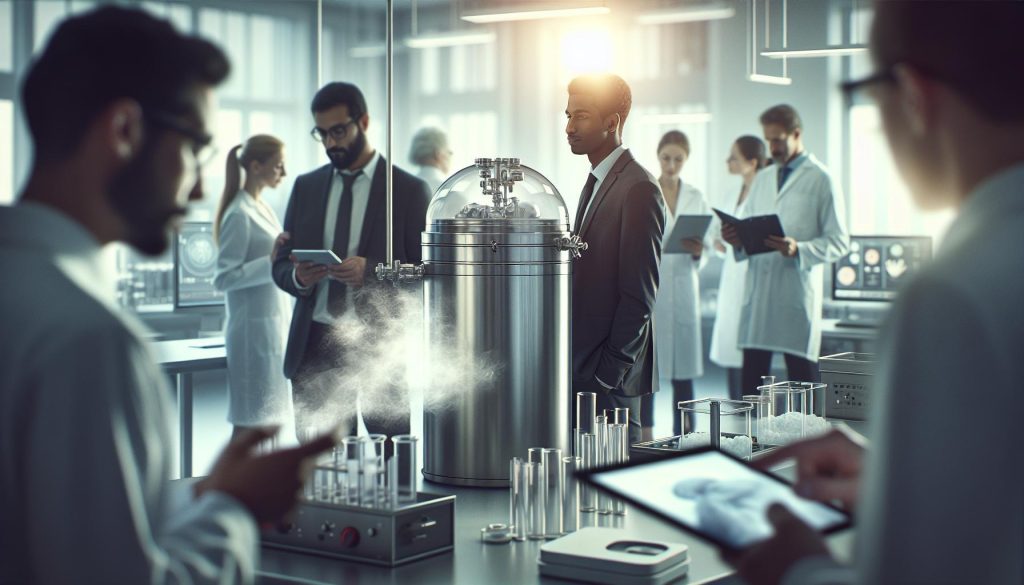
Imagine a future where the secrets of aging and death are unlocked-this is the promise of cryogenic freezing. While it has long been a topic of intrigue and speculation, the science behind this technology raises crucial questions about its effectiveness and ethical implications. Cryogenic freezing refers to the process of preserving biological materials at ultra-low temperatures, a technique that offers potential in medicine and beyond. However, does it truly work as a method for preserving life? As you explore this topic, you’ll delve into the scientific principles, real-world applications, and ongoing debates surrounding cryogenics, fostering a better understanding of its legitimate uses and limitations. Join us in uncovering whether cryogenic freezing is a bridge to the future or a mere fantasy.
Does Cryogenic Freezing Actually Preserve Life?
The concept of cryogenic freezing raises intriguing questions about the preservation of life. At its core, cryogenic freezing involves cooling the human body to extremely low temperatures, typically below -150°C (-238°F), with the hope of halting all biological processes, including decay and damage from dying. Proponents of cryonics argue that this process could one day allow for the revival of individuals who have been frozen, using advanced technologies that may not currently exist. However, whether this process genuinely preserves life is a subject of ongoing debate among scientists and ethicists.
When a body is cryogenically frozen, the challenge lies in preventing cellular damage caused by ice formation. Water expands when frozen, which can lead to the rupture of cells and tissues, making the preservation of the human body a complex task. Furthermore, the success of such preservation depends on the techniques employed prior to freezing, including the use of cryoprotectants-substances that help protect cells from damage during the freezing process. These agents are critical as they reduce ice formation and mitigate potential cellular injuries. However, the efficacy of cryoprotectants in long-term preservation remains an area needing further research and validation.
While animal studies have shown that certain organisms can survive extreme freezing conditions, the same results have not been conclusively achieved in mammals, particularly humans. The revival of a frozen human body is not merely a matter of restoring temperature but involves intricate biological processes that are not yet fully understood or feasible with current technology. As of now, there are no verified success stories of humans being brought back after being cryogenically frozen, raising ethical questions about the practice itself.
In summary, while the allure of cryogenic freezing holds the promise of preserving life indefinitely, the concrete evidence supporting its effectiveness remains limited. Ongoing advancements in medical science may one day pave the way for more reliable methods of preservation and revival, but for now, it stands as a speculative endeavor with significant scientific and ethical hurdles to overcome.
The Science Behind Cryogenic Freezing Explained
Cryogenic freezing is a fascinating field that operates on principles of physics and biology to halt biological processes at extremely low temperatures. By reducing the temperature to well below zero, typically around -196°C (-320.8°F), cryogenics aims to slow down molecular activity and, in theory, preserve the structural integrity of cells and tissues. This aspect is critical, particularly in medical and biological contexts, where the goal is to minimize cellular degradation due to time and environmental factors.
The freezing process itself is not straightforward, as ice crystal formation can cause significant damage to cells. When water crystallizes, it expands, which can lead to cell rupture and tissue destruction. To mitigate this, scientists utilize substances known as cryoprotectants, which are essential for protecting cells during the freezing process. Cryoprotectants work by lowering the freezing point of the solution, reducing the likelihood of ice formation inside cells. These agents allow for a more controlled freezing process, ideally preserving the cellular architecture and allowing for potential future revival.
Understanding the intricate balance of temperature and cryoprotectant use is crucial for successful cryopreservation. Advance techniques such as controlled-rate freezing and vitrification (a process that solidifies a solution without forming ice) are employed to enhance preservation outcomes. Each method has its strengths and challenges, reflecting the complexity of storing biological materials effectively.
However, the real challenge lies in the revival aspect. While some lower organisms can survive freezing and later return to life, mammalian revival remains largely theoretical. Current technology and medical understanding do not yet cater to a reliable method for warming and restoring function to complex organisms. Investigating these processes continues, and while optimism persists in the scientific community, it is crucial to acknowledge the ethical considerations and technical barriers that currently surround the practice of cryogenic freezing. As research progresses, the future of this technology holds potential, but substantial innovation and validation are needed before any practical implementation can be realized.
Understanding the Cryopreservation Process
The intricate process of cryopreservation is pivotal for effectively freezing biological materials, with the aim of preserving cells, tissues, and even whole organisms for potential revival in the future. This complex procedure requires careful control over multiple factors, including temperature and the presence of specific chemical agents that facilitate better outcomes. At the core of cryopreservation is the challenge presented by ice crystal formation: as water inside cells freezes, it expands, which can rupture cell membranes and lead to irreversible damage.
Cryoprotectants, such as glycerol and dimethyl sulfoxide (DMSO), play an essential role in this process. These substances lower the freezing point of solutions and inhibit ice crystal formation, thus protecting cells during the freezing stage. By slowing down the freezing process and minimizing ice formation, cryoprotectants help to maintain cellular integrity and morphology. The use of these agents is crucial; however, it also introduces another layer of complexity, as they can be toxic to cells at high concentrations. Therefore, optimizing the concentration and exposure time of cryoprotectants is crucial for successful preservation.
Techniques in Cryogenic Freezing
To further enhance the effectiveness of cryopreservation, several advanced techniques are employed, including controlled-rate freezing and vitrification. Controlled-rate freezing allows for gradual cooling, which reduces thermal shock and the likelihood of damage caused by rapid freezing. Vitrification, on the other hand, involves transitioning the solution into a glass-like state without ice formation, achieved through ultra-rapid cooling. Both methods aim to create a more controlled environment for the cells, thereby increasing the likelihood of successful long-term storage and potential revival.
Despite the promise of cryogenic freezing, significant challenges remain regarding the revival process. Currently, while many lower organisms exhibit the ability to survive freezing and resume normal functions, complex mammals-humans included-face a different reality. The technological and biological hurdles to restart or restore full cellular functionality after cryopreservation are still being researched. As innovation continues within this field, fostering an understanding of the scientific principles and methodologies involved in cryopreservation is indispensable for grasping both its capabilities and its limitations. As researchers strive for advancements, ongoing ethical discussions will also accompany the exploration into the possibilities held within cryogenic science, particularly relating to the implications of potentially reviving preserved organisms.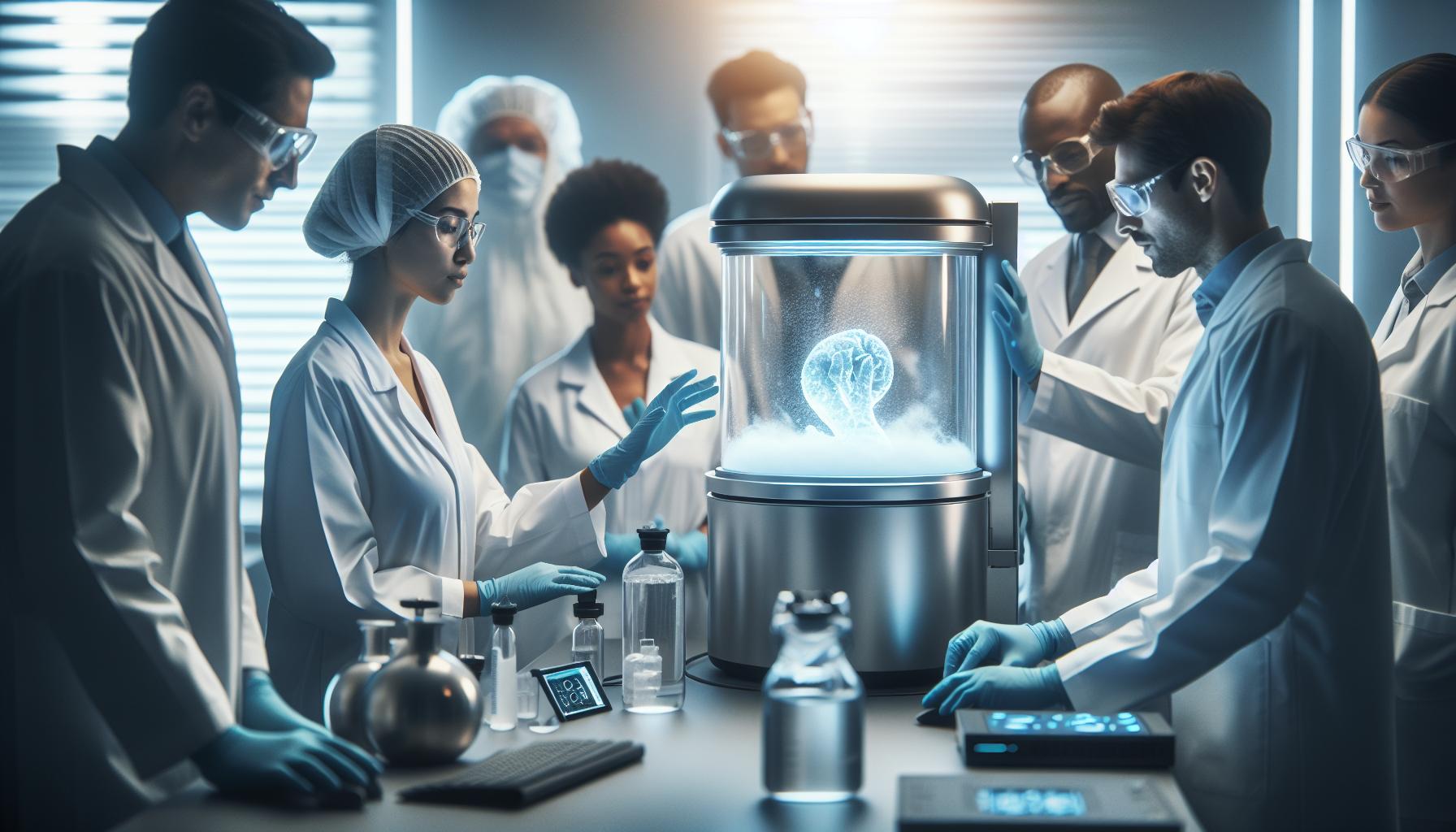
Benefits of Cryogenic Freezing in Medical Science
The advent of cryogenic freezing technologies has revolutionized the field of medical science, offering remarkable solutions for preserving biological samples and advancing research. One of the key benefits lies in its capacity to store human tissues, stem cells, and organs at ultra-low temperatures, ultimately prolonging their viability for future use. This preservation method is essential not only for future regenerative medicine applications but also for the management of diseases that require transplants, allowing for extended time frames between organ harvesting and transplantation.
Among the notable advantages of cryogenic freezing is its impact on reproductive technologies. For instance, cryopreservation methods enable the safe storage of sperm, eggs, and embryos, significantly aiding individuals looking to maintain their fertility in the face of medical treatments like chemotherapy. The ability to freeze and store these vital biological components has empowered many people to make informed decisions about family planning without compromising their health.
In addition, the pharmaceutical industry greatly benefits from cryogenic technology, especially in the realm of vaccine development and storage. Many vaccines rely on specific temperature ranges to remain effective; cryogenic freezing ensures these products are preserved correctly until they are needed. This is particularly crucial during public health emergencies, where maintaining vaccine viability can be the difference between controlling an outbreak and risking widespread infection.
Furthermore, cryogenic freezing opens avenues for extensive research into cell behavior and characteristics under extreme conditions. This can lead to significant advancements in understanding diseases, developing new treatments, and enhancing preservation techniques. As research continues to unveil the complexities of cellular preservation and revival, we may see breakthroughs that further solidify cryogenics as a cornerstone of modern medical practices.
With these benefits, it is clear that cryogenic freezing plays a vital role in advancing medical science, thereby facilitating innovative approaches to treatment and patient care. As the technology evolves, its applications will likely expand, offering even more potential solutions for complex medical challenges.
Common Misconceptions About Cryogenic Freezing
Cryogenic freezing often conjures up images of frozen heads in science fiction, leading many to misunderstand its true capabilities and limitations. One of the most pervasive misconceptions is that cryogenic freezing can revive individuals long after they have died, akin to a plot device in movies. In reality, the process is primarily concerned with the preservation of biological materials-such as cells, tissues, and organs-rather than the revival of deceased individuals. Current scientific consensus indicates that, once biological systems cease functioning, the intricate cellular structures necessary for life cannot simply be restored by thawing the tissues.
Another common myth is that cryopreservation preserves all biological processes perfectly. While cryogenic freezing effectively slows down biological degradation, it doesn’t completely halt it. Ice crystal formation during the freezing process can cause cellular damage. This is why cryoprotectants, substances that help reduce ice formation, are employed. They help cells withstand freezing temperatures, but they are not foolproof. The success of cryopreservation methods can vary significantly depending on the type of cells or tissues being preserved, and not all entities survive the process intact.
There is also a misconception regarding the safety and ethics of cryogenic freezing. Some people believe that the process is inherently dangerous or ethically questionable. However, when performed in controlled, professional settings, cryogenic freezing can be safe and is often used in reputable medical practices for preserving sperm, eggs, and embryos. Ethical concerns mostly center on the implications of long-term storage and the potential for future revival, areas that remain largely speculative and invite much debate among scientists and ethicists alike.
Lastly, the assumption that cryogenic technology is solely aimed at human applications is misleading. In truth, this technology has extensive applications in fields like agriculture, where it aids in preserving genetic material from valuable plant species, and in pharmaceuticals, especially for storing vaccines and reagents under specific conditions. Understanding these facts not only clarifies what cryogenic freezing can and cannot achieve but also highlights its broader applications, ensuring a more informed perspective on its role in science and medicine.
Cryogenic Freezing vs. Traditional Preservation Methods
When comparing cryogenic freezing to traditional preservation methods, it’s essential to understand the fundamental differences in their mechanisms and intended purposes. While traditional preservation techniques, such as embalming or refrigeration, focus on short-term storage, cryogenic freezing aims to preserve biological materials at extremely low temperatures for potentially extended periods without cellular degradation. This marks a shift from merely delaying decay to a science that aspires to maintain the viability of cells and tissues for future use.
Traditional preservation methods often rely on the use of chemical preservatives or simply cooling biological specimens to slow down enzymatic and microbial activity. However, these methods have limitations associated with longer-term preservation, as they typically cannot prevent cellular breakdown entirely. For instance:
- Embalming: Used primarily for deceased bodies, this method can help maintain appearance but doesn’t prevent tissue breakdown at a cellular level.
- Refrigeration: While effective for food and some biological samples, prolonged refrigeration still results in cellular degradation and loss of functionality over time.
Cryogenic freezing, on the other hand, utilizes ultra-low temperatures, generally around -196 °C (-320.8 °F), to effectively halt all biological activity, including cell metabolism. This process helps preserve the structural integrity of cells, minimizing damage from ice crystal formation through the use of cryoprotectants that lower the freezing point of cellular fluids and enhance survival rates during thawing. Unlike traditional methods, cryogenic techniques have shown promising results in preserving reproductive cells (like sperm and eggs), tissues, and even small organs.
Despite these advantages, it’s important to note the challenges associated with cryogenic freezing. For instance, the process requires specialized equipment and protocols, making it less accessible than more conventional methods. Additionally, not all cell types respond positively to cryogenic conditions, leading to variability in preservation success rates. As with any medical or biological procedure, individuals considering preservation options should consult with professionals experienced in cryobiology to help make informed decisions tailored to their specific needs. Understanding these differences can empower readers to appreciate the unique capabilities and limitations of cryogenic freezing compared to traditional preservation methods.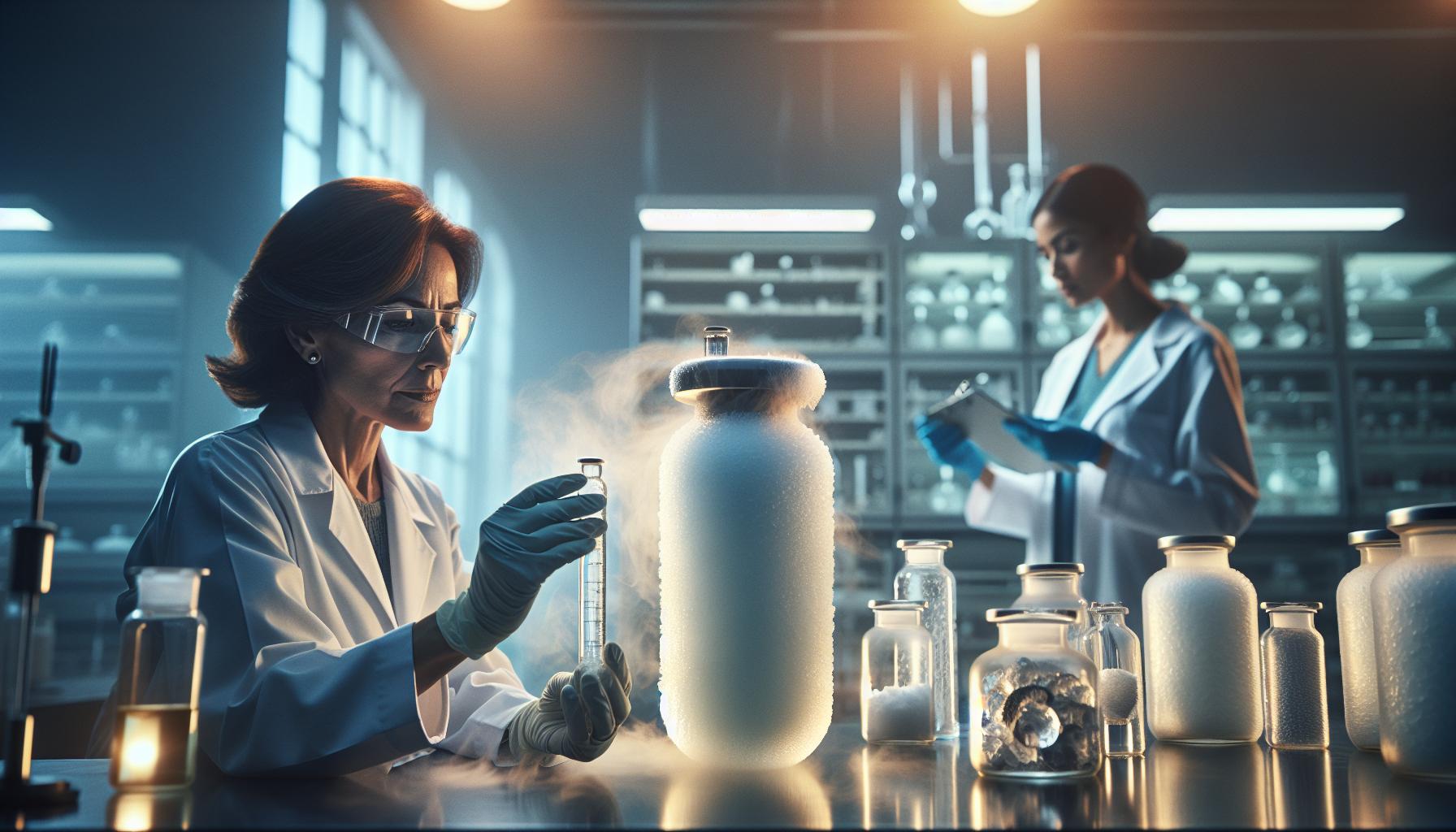
Real-World Applications of Cryogenic Technology
Cryogenic technology is transforming how we think about preservation and storage, particularly in the fields of medicine, food, and biological research. The ability to freeze biological specimens at ultra-low temperatures can halt cellular processes, effectively putting living cells in a state of suspended animation. This remarkable capability opens up numerous real-world applications that demonstrate the potential of cryogenic methods.
In medical settings, cryogenic freezing is widely used for the preservation of reproductive cells such as sperm and eggs. This technique provides individuals undergoing medical treatments that could affect fertility, like chemotherapy, the opportunity to store viable gametes for future use. Additionally, cryopreservation is evolving into a vital tool for transplant medicine, allowing for the storage of human tissues and even small organs that can be preserved long-term until needed for transplantations. This offers hope for patients on organ waiting lists and potentially increases the availability of transplantable organs.
Another significant application of cryogenic technology can be found in the food industry, where it is used to enhance the storage life of products. Freezing food at extremely low temperatures helps maintain taste, texture, and nutritional value over time. For example, strawberries that undergo cryogenic freezing can retain their quality far longer than those stored using traditional methods, providing consumers with a fresher product year-round.
Research laboratories also benefit from cryogenic technology. Scientists utilize cryopreservation to maintain biological samples, including cells, embryos, and tissues, for experimental purposes. This allows for reliable research continuity and the ability to replicate past experiments, fostering advancements in medical and scientific knowledge.
While the potential applications of cryogenic freezing are vast and promising, it is essential for individuals and organizations to consider the technical challenges and the necessity for professional oversight in cryogenic practices. As this technology continues to evolve and find new avenues, partnerships with cryobiology experts will become increasingly important to ensure the effectiveness and safety of cryogenic applications.
What Happens to Cells During Cryogenic Freezing?
When cells undergo cryogenic freezing, they enter a remarkable phase of preservation. At extremely low temperatures, the metabolic processes within the cells are effectively halted. This state of suspended animation is crucial for maintaining the viability of biological material over extended periods. However, the freezing process is not as straightforward as it may seem; it involves a delicate balance of temperature control and the use of special substances known as cryoprotectants.
During cryogenic freezing, water within the cells begins to freeze, forming ice crystals. If these crystals grow too large, they can puncture cellular structures, leading to irreparable damage. To prevent this, cryoprotectants such as dimethyl sulfoxide (DMSO) or glycerol are often added to the cells prior to freezing. These substances reduce the formation of ice crystals by lowering the freezing point of the cellular fluid and helping to maintain the integrity of the cells. The careful application of cryoprotectants helps ensure that cells are preserved in a way that allows for potential revival after thawing.
The freezing and thawing processes involve specific protocols that dictate how quickly temperatures should change to minimize damage. Typically, cells are cooled slowly at first to prevent the formation of harmful ice crystals, and then they are plunged into liquid nitrogen for long-term storage. Upon thawing, the goal is to carefully rehydrate the cells to allow them to resume normal function. This intricate process is vital for ensuring that the cells retain their functional capabilities, which is particularly significant in medical applications, such as the preservation of stem cells and reproductive cells.
Understanding the complex dynamics of what happens to cells during cryogenic freezing is essential for appreciating its applications and potential benefits. This knowledge also underscores the importance of conducting such procedures under the guidance of professionals equipped with the expertise to optimize outcomes and mitigate risks. As advancements in cryogenic technology continue, ongoing research is likely to enhance our understanding and refine preservation techniques, making this a compelling area of scientific exploration.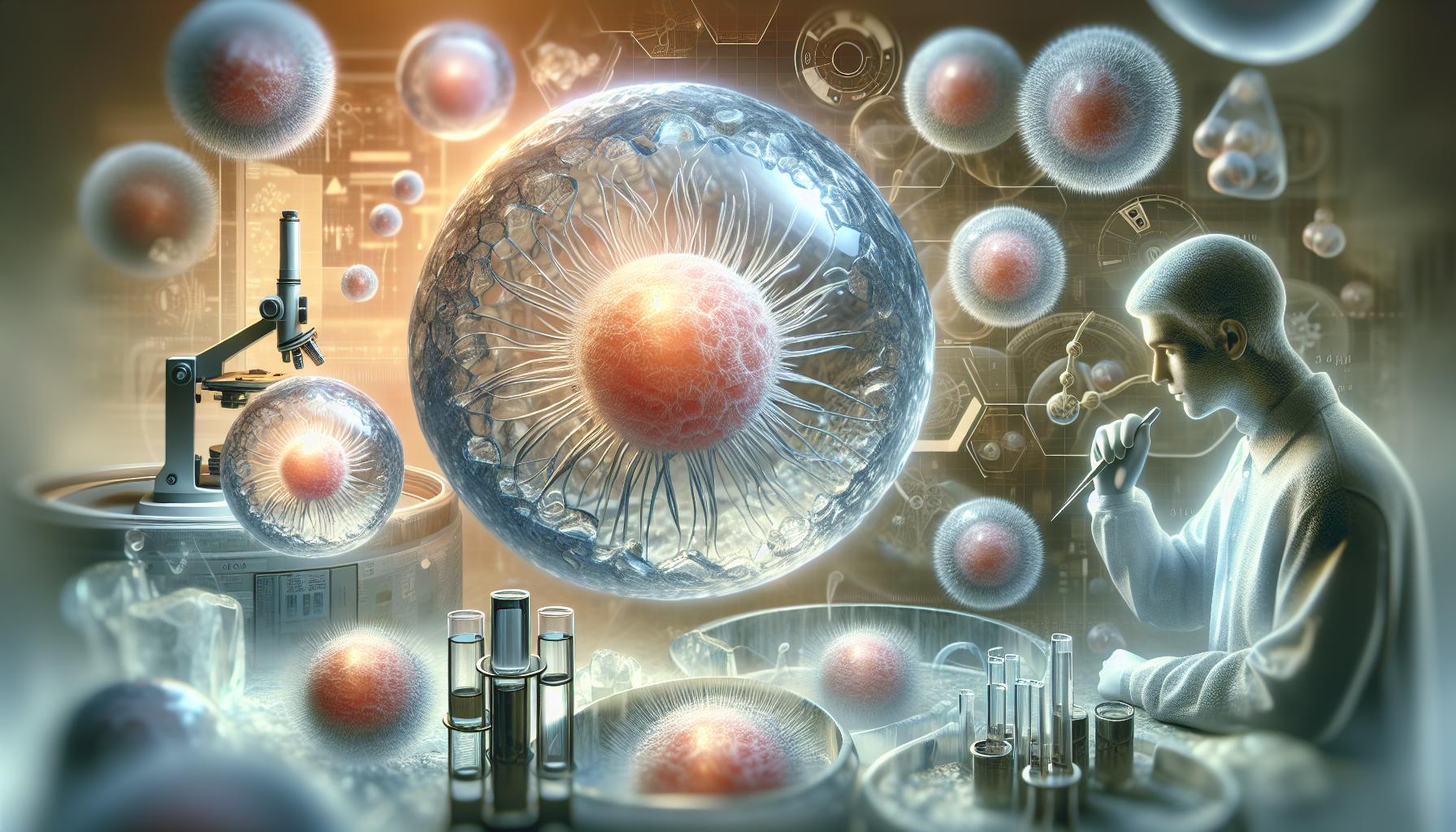
The Role of Cryoprotectants in Preservation
Cryogenic freezing seeks to preserve biological materials at extremely low temperatures, but the success of this process largely depends on the role of cryoprotectants. These crucial substances act like antifreeze for cells, preventing ice crystal formation that could otherwise cause significant cellular damage during freezing. Understanding how cryoprotectants function can illuminate why they are an integral part of any successful cryopreservation protocol.
Cryoprotectants, such as dimethyl sulfoxide (DMSO) and glycerol, are added to biological samples before freezing. They work by lowering the freezing point of the fluids within cells, which helps mitigate the risk of ice formation. When water inside cells freezes, it can form sharp ice crystals that puncture cell membranes, leading to irreversible damage. By reducing ice crystal formation, cryoprotectants maximize cell viability post-thawing.
The application of cryoprotectants is not a one-size-fits-all approach; specific protocols must be tailored to the type of cells being preserved. For instance, stem cells, which are sensitive to freezing processes, often require precise concentrations and cooling rates to maintain their potency. A typical procedure might involve gradually increasing the concentration of cryoprotectant in a stepwise manner before beginning the freezing process, followed by controlled cooling to avoid thermal shock.
There are also important considerations regarding the thawing process. When cells are thawed, the cryoprotectants must be removed carefully. This process often involves gradual dilution with a suitable medium to ensure cellular stability and restore normal osmotic conditions. These steps are critical for cellular integrity and function after storage.
In summary, while the concept of cryogenic freezing might seem straightforward, the role of cryoprotectants is complex and requires careful implementation. The ongoing research into improving cryopreservation techniques and understanding the intricacies of cryoprotectant interactions will be vital for future advancements, particularly in regenerative medicine and the preservation of genetic material. Always consult with professionals experienced in cryogenic processes to ensure optimal results and safety.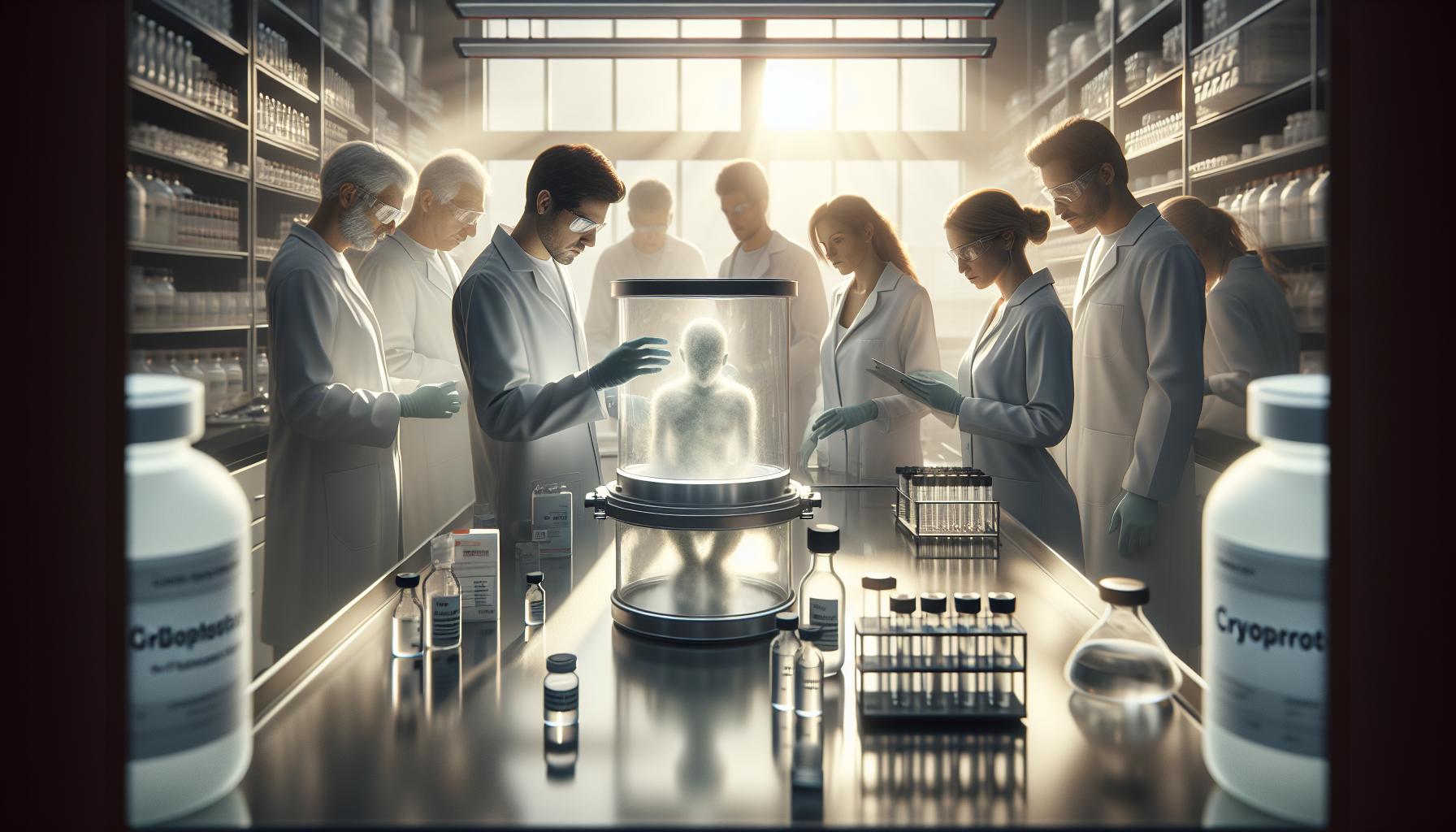
Ethical Considerations Surrounding Cryogenic Freezing
The prospect of cryogenic freezing often evokes both fascination and trepidation, especially when discussions turn to its ethical dimensions. As this technology advances, important questions arise regarding its implications on life, death, and the preservation of human identity. Many individuals contemplate the morality of preserving a person’s life through cryopreservation, particularly when it involves potential second chances at life in the future.
One significant ethical consideration revolves around the concept of consent. It is crucial that individuals clearly understand the ramifications of undergoing cryogenic preservation. Many people opt for this path in hopes of future advancements in medical technology that may allow them to be revived and treated for conditions deemed terminal at the time of their cryopreservation. However, the reality of reviving such individuals is still speculative, raising questions about how informed consent is obtained and whether individuals truly comprehend the uncertainty surrounding successful revival.
Another aspect to consider is the potential societal impact of cryogenic freezing. If successful, this technology might create disparities in healthcare, exacerbating existing inequalities. Access to cryogenic services could become limited by socioeconomic status, leading to a future where life prolongation is available only to the wealthy. Additionally, there are concerns about the implications of extended human life on societal structures, including population growth, resource allocation, and generational relationships.
Moreover, we must reflect on the relationship between identity and consciousness in the context of cryopreservation. If a person is revived after an extended period, to what extent can they be considered the same individual? Questions of memory, identity, and the psychological implications of long-term preservation pose profound philosophical challenges that warrant careful consideration. Engaging with these ethical issues requires a collaborative dialogue among ethicists, scientists, legal experts, and society at large to navigate the complexities surrounding the use of cryogenic technology responsibly.
In conclusion, as we explore the future of cryogenic freezing and its potential to preserve life, it is essential to address these ethical considerations supportively. Striking a balance between advancing technology and respecting fundamental ethical values will be crucial as we delve deeper into this intriguing yet controversial field. As always, individuals are encouraged to seek guidance from qualified professionals when considering their options in this evolving area of science.
Future of Cryogenic Freezing: Trends and Innovations
A fascinating trajectory in cryogenic freezing highlights its potential to revolutionize preservation methods, from the fields of medicine to the potential for future breakthroughs in life extension. With advancements in technology and a deeper understanding of biological processes, the next generation of cryogenic practices is set to enhance the preservation of cells, tissues, and possibly even whole organisms.
Innovations in Cryogenic Techniques
Recent innovations are focusing on improving the cryopreservation process, making it more effective and accessible. Key among these are advancements in cryoprotectants, which are substances used to protect biological tissue from freezing damage. Researchers are developing new cryoprotectants that minimize toxicity while maximizing protection against ice formation, which can be detrimental to cells. Moreover, techniques such as vitrification, which involves turning biological materials into a glass-like state without forming ice crystals, are becoming more widespread, potentially leading to better preservation outcomes.
Integration with Biotechnology
The convergence of cryogenics with biotechnology is presenting exciting possibilities. For example, the use of genetic engineering and stem cell technology could improve the efficacy of cryopreservation. By modifying stem cells to enhance their viability post-thaw, it might be possible to produce healthier tissues for transplantation. This synergy between different scientific fields may pave the way for new therapeutic approaches and personalized medicine, addressing degenerative diseases and injuries more effectively.
Market Growth and Accessibility
The cryogenic market is also experiencing growth due to increasing demand in healthcare, pharmaceuticals, and even the food industry, particularly for the preservation of vaccines and biological samples. As more facilities emerge with state-of-the-art cryogenic technology, accessibility is expected to improve, making these services available to a broader segment of the population. This could mean not just better preservation for life-saving medical applications but also opportunities for research and development in emerging fields.
Long-Term Prospects
Looking ahead, the implications of successful cryogenic freezing extend beyond immediate medical applications. If revival techniques improve, this technology could fundamentally alter our approach to life and death, tantalizingly hinting at a future where temporary “suspension” of life might become a tool for dealing with terminal illnesses. However, such advancements would necessitate rigorous ethical considerations and regulatory frameworks to ensure responsible use.
Through these innovative trends and applications, the future of cryogenic freezing is poised at the intersection of science and ethical inquiry, inviting ongoing dialogue among professionals and the public to explore both its possibilities and implications. As research continues, it’s critical for individuals considering such options to engage with experts to navigate this evolving field responsibly.
Success Stories and Case Studies in Cryogenics
While the concept of cryogenic freezing often evokes science fiction imagery, there are real-world examples that illustrate its potential in medical and scientific fields. Numerous success stories and case studies help us understand whether cryogenic freezing can, indeed, preserve life and contribute to medical advancements.
One of the most renowned applications of cryogenic freezing is in the field of sperm and egg preservation. For individuals facing medical treatments that could affect their fertility, such as chemotherapy, the option to freeze sperm or eggs offers a chance at future parenthood. Studies have indicated that the success rates of in vitro fertilization (IVF) using cryopreserved gametes are comparable to those using fresh ones, showcasing a viable path for many to have children even after significant medical procedures.
Real-World Applications in Organ Preservation
Organ preservation is another area where cryogenic techniques have shown promise. Cryopreservation is being tested for its ability to extend the viability of organs for transplant. The potential to hold organs at sub-zero temperatures while maintaining their functionality could address the current shortfall of available organs, thereby saving countless lives. For instance, researchers have successfully frozen kidney tissues, revealing that they maintained cellular functionality after thawing, which could lead to improved organ transplant procedures in the future.
Cryopreservation of Stem Cells
Additionally, stem cell therapy has benefitted from cryogenic technology. Stem cells stored in liquid nitrogen can remain viable for decades, allowing future therapies to utilize these cells. Recent case studies demonstrated patients who underwent stem cell transplants sourced from cryopreserved cells experienced significant improvements in conditions like leukemia. These success stories highlight not only the effectiveness of cryopreservation but also its critical role in facilitating advancements in regenerative medicine.
While successes in cryogenic freezing provide a glimpse into the potential benefits of this technology, it is crucial to approach the topic with care. Each case necessitates a thorough evaluation by medical professionals who specialize in reproductive medicine, transplant science, or regenerative therapy. Through continued research and clinical trials, the future of cryogenic freezing holds possibilities that could reshape our approaches to preserving life and enhancing medical interventions.
Faq
Q: How does cryogenic freezing preserve cells?
A: Cryogenic freezing preserves cells by cooling them to extremely low temperatures, typically below -150°C. This process halts cellular metabolism and biochemical reactions, effectively preventing degradation. Cryoprotectants are often used to protect cells from ice crystal formation during freezing, ensuring their viability upon thawing [1].
Q: What are the main uses of cryogenic freezing in medicine?
A: Cryogenic freezing is primarily used in medicine for preserving biological samples, such as blood, stem cells, and reproductive cells. This technology safeguards genetic material for future use, such as in fertility treatments or regenerative medicine, offering significant advantages over traditional preservation methods [2].
Q: Can cryogenic freezing be used for organ preservation?
A: While organ preservation using cryogenic methods is still under research, initial studies show promise. Effective organ preservation could enhance transplantation outcomes. However, the unique structure of organs presents challenges that require further technological advancements in cryopreservation techniques [3].
Q: What are the risks associated with cryogenic freezing?
A: The primary risks of cryogenic freezing include cell damage from ice crystal formation and potential toxic effects from cryoprotectants. Proper protocols and techniques are crucial to minimizing these risks and ensuring high cell viability after thawing [1].
Q: Does cryogenic freezing have any ethical implications?
A: Yes, cryogenic freezing raises various ethical considerations, particularly concerning the preservation of human life and identity. Discussions focus on the implications of reviving individuals from cryogenic states and the potential societal impacts. Ethical frameworks are essential in guiding these advancements in science [2].
Q: What’s the difference between cryogenic freezing and traditional freezing methods?
A: Cryogenic freezing utilizes temperatures below -150°C, which halts all cellular activity, preserving the structural integrity of cells and tissues. Traditional freezing methods result in ice crystal formation, potentially damaging cells. Cryogenic techniques offer a more effective preservation solution compared to standard methods [3].
Q: How long can cells be stored using cryogenic freezing?
A: Cells preserved through cryogenic freezing can be stored for several years or even decades without significant loss of viability. This long-term preservation allows for reliable future use in research and medical therapies, making it a valuable tool in biomedical science [1].
Q: Are there any recent advancements in cryogenic freezing technology?
A: Recent advancements in cryogenic freezing include improved cryoprotectants that minimize toxicity and enhance cell survival rates. Innovations in freezing techniques also aim to reduce the rate of cooling, further protecting biological samples during the preservation process [2].
For more information on the process and applications of cryogenic freezing, check out the sections on the science behind cryopreservation in the main article.
In Summary
While the concept of cryogenic freezing fascinates many, it’s essential to understand the science behind it and the current limitations regarding its effectiveness in preserving human bodies for future revival. If you’re intrigued by the possibilities of cryonics and cryopreservation, consider exploring our related articles on the science of cryogenic preservation and its implications for medical advancements. These resources can provide deeper insights into this innovative yet speculative field.
Don’t miss out on the chance to stay informed. Subscribe to our newsletter for updates on breakthroughs in medical technology and health treatments. Have questions or thoughts about cryogenic freezing? We encourage your comments and would love to hear your perspectives! Together, let’s navigate the intriguing crossroads of science and the future of human preservation.