Cryogenic chambers represent a fascinating frontier in temperature extremes, often reaching levels below -150 °C (-238 °F). These chilling environments have crucial applications, from preserving biological samples to enhancing material properties in scientific research. Understanding the temperatures involved in cryogenic chambers not only piques curiosity but also underlines their significance in medical, industrial, and technological fields. As you explore the temperature facts behind these chambers, you’ll gain valuable insights into how they operate and the transformative benefits they offer. This journey into the cold may spark new interests or even guide decisions related to cryogenic technology in your life or work, inviting you to delve deeper into this captivating subject.
Understanding Cryogenic Chambers: An Overview
Cryogenic chambers represent a fascinating intersection of science and health, utilizing extreme low temperatures for various applications, from medical treatments to research. These specialized chambers can reach temperatures as low as -150 °C (-238 °F) or even lower, making them essential tools in cryotherapy and other therapeutic procedures. The technology behind these chambers allows for the rapid cooling of the body, promoting various physiological responses, such as reduced inflammation, pain relief, and accelerated recovery from injuries or intense physical activity.
Understanding the operational mechanics of cryogenic chambers is crucial. They function by circulating cryogenic gases or liquids, such as liquid nitrogen, to achieve and maintain these low temperatures. The air temperature within the chamber can drop significantly within minutes, creating an environment that induces vasoconstriction followed by vasodilation once the body warms up again. This cycle can enhance blood circulation and improve metabolic processes, appealing to athletes and individuals seeking recovery therapies.
For those considering the use of a cryogenic chamber, it’s important to recognize the potential benefits as well as the necessary precautions that should be observed. Engaging in cryotherapy can improve physical well-being and expedite recovery, but it should always be done under professional supervision to ensure safety and effectiveness. Awareness of personal health conditions and consultation with healthcare providers are crucial steps before utilizing these advanced treatments, underscoring the significance of informed decision-making in such cutting-edge health practices.
Typical Temperatures in Cryogenic Chambers

The ability to reach extreme low temperatures is what sets cryogenic chambers apart in various applications, particularly in medicine and sports therapy. Cryogenic chambers typically maintain temperatures ranging from -110 °C to -150 °C (-166 °F to -238 °F). Some advanced systems can even achieve temperatures lower than -200 °C (-328 °F). This capacity allows for profound physiological reactions that can contribute to healing and recovery processes in the body, making these chambers a popular choice among athletes and individuals seeking alternative treatments.
Temperature Impact on the Body
At these significantly low temperatures, several immediate biological responses occur. Upon entering a cryogenic chamber, the skin’s surface rapidly cools, causing vasoconstriction, where blood vessels narrow. This process minimizes blood flow to the skin and extremities, which can help reduce inflammation and pain. Once individuals exit the chamber, the body begins to warm up again, leading to vasodilation, where blood vessels expand. This mechanism enhances blood circulation throughout the body, delivering more oxygen and nutrients to muscles and tissues, potentially aiding in faster recovery and improved athletic performance.
Considerations for Safe Usage
While the temperatures in cryogenic chambers can be exceedingly beneficial, it is crucial to approach their usage with caution. Most professionals recommend limiting exposure to around 2 to 3 minutes at these extreme temperatures to prevent potential frostbite or other cold-related injuries. Individuals with certain health conditions, such as cardiovascular issues or respiratory problems, should consult healthcare providers before undergoing cryotherapy. Professional oversight ensures that users are well-informed about their personal health conditions and the risks associated with extreme cold exposure.
Real-World Applications
The extensive range of temperatures in cryogenic chambers not only serves therapeutic purposes but also influences research applications, such as studying the effects of extreme cold on biological materials and exploring cryopreservation techniques. As technology evolves, the precise control of temperatures in these chambers enhances both their safety and effectiveness, supporting continued exploration of their benefits in medical science and sports rehabilitation.
The Science Behind Cryogenic Cooling

The phenomenon of cryogenic cooling operates on the principles of thermodynamics, utilizing gases and liquids that can reach extremely low temperatures. This process relies heavily on substances like liquid nitrogen and carbon dioxide, which are commonly used as cryogens in various applications. When these cryogens undergo a phase change-transforming from liquid to gas-the surrounding environment experiences a significant drop in temperature. This rapid cooling effect is crucial for the success of both therapeutic and scientific applications.
During the cryogenic cooling process, the temperature can drop below -150 °C (-238 °F), leading to a variety of physiological effects on the human body. At such low temperatures, several biological responses are triggered. One notable response is the vasoconstriction of blood vessels, which occurs almost immediately upon exposure to cold. This response serves to limit blood flow to the body’s surface, minimizing heat loss and helping to reduce inflammation and pain in localized areas. As the body warms up after exiting the chamber, vasodilation occurs, restoring blood flow and enhancing circulation, which may facilitate faster healing and recovery.
Moreover, advancements in cryogenic technology have led to enhanced temperature control in chambers, allowing for tailored cooling experiences. Modern cryogenic chambers now incorporate sophisticated monitoring systems that adjust conditions based on individual responses, increasing safety and effectiveness. This innovation supports a growing range of applications, from sports therapy to medical research, by more accurately targeting the physiological effects desired.
In practical terms, this process not only aids in recovery from physical exertion but also opens doors to scientific exploration. Cryogenic temperatures are utilized in research settings to investigate the effects of extreme cold on biological materials and to implement cryopreservation techniques, where biological samples can be stored indefinitely without degradation. Thus, understanding not only informs users of its benefits but also underscores the multi-faceted applications that this cooling method allows.
Benefits of Cryotherapy: Why It Matters

Cryotherapy, which utilizes extremely low temperatures to stimulate numerous physiological responses, has gained significant attention for its array of health benefits. This therapeutic approach not only aids in recovery from physical exertion but also plays a pivotal role in managing inflammation, pain relief, and overall well-being. As many sports professionals and wellness enthusiasts can attest, the cold exposure in cryogenic chambers can drastically alter the body’s response to stress and injury, which is essential in both recovery protocols and preventative health strategies.
One of the most profound benefits of cryotherapy lies in its ability to reduce inflammation. When exposed to sub-zero temperatures, blood vessels constrict, leading to a decrease in blood flow to inflamed areas. This vasoconstrictive response helps to alleviate swelling and soreness. After exiting the chamber, a process known as vasodilation occurs, where the blood vessels reopen, allowing oxygen-rich blood to flow to the affected areas. This enhanced circulation not only promotes healing but also provides pain relief by flushing out metabolic waste products and delivering nutrients necessary for tissue repair.
Additionally, cryotherapy is linked to improved mood and mental clarity. The rapid drop in temperature triggers the release of endorphins and other neurotransmitters, which can elevate mood and reduce symptoms of anxiety and depression. Furthermore, many users report a sense of euphoria and increased energy levels following sessions, making it a beneficial treatment for those dealing with stress or looking to boost their overall mental health.
While the evidence supporting cryotherapy is promising, it is crucial to consult healthcare professionals before starting any new treatment. Individual responses to cryogenic temperatures can vary, and a qualified provider can help tailor the experience to meet specific health needs and goals, ensuring both safety and effectiveness. Overall, understanding the benefits of cryotherapy can empower individuals to make informed decisions about incorporating this innovative therapy into their wellness routines.
Applications of Cryogenic Chambers in Medicine
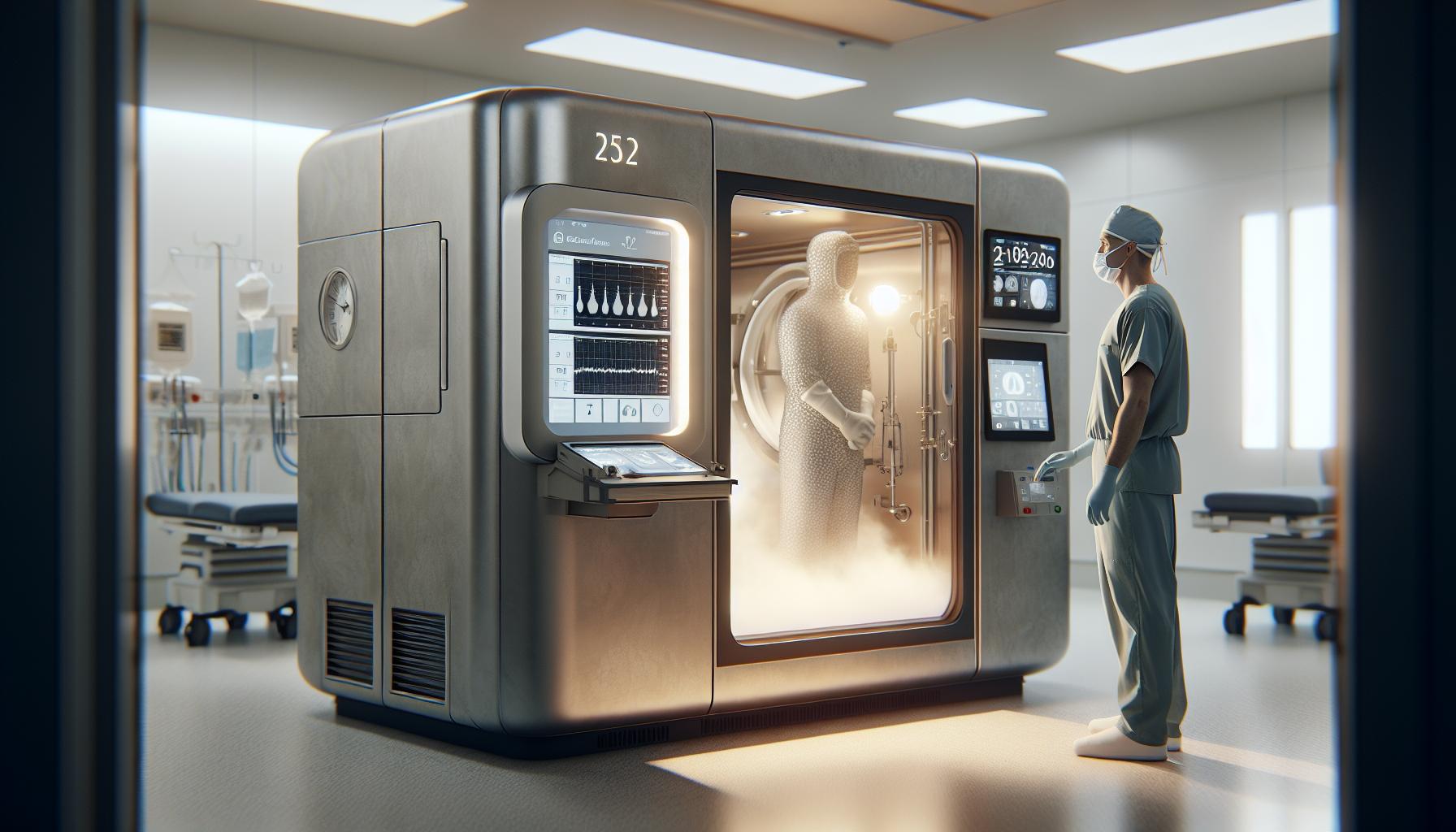
Cryogenic chambers are increasingly being utilized in the medical field, showcasing a range of applications that harness the power of extreme cold for therapeutic purposes. One noteworthy benefit of cryogenic therapy is its capability to effectively manage pain and inflammation, offering a non-invasive treatment option for numerous conditions. For instance, athletes often turn to cryogenic chambers post-training or competition to expedite recovery, reduce muscle soreness, and minimize injury. By exposing the body to temperatures that can drop below -100°C, cryotherapy promotes vasoconstriction, thereby limiting blood flow to inflamed areas, and subsequently allowing for improved circulation once the individual emerges from the cold environment.
Beyond athletic recovery, cryogenic chambers have also made inroads into more extensive medical applications, including mental health treatment. Studies suggest that exposure to extreme cold may stimulate the release of endorphins and other neurotransmitters, contributing to improved mood and alleviation of anxiety symptoms. This has led to growing interest in using cryotherapy as a complementary treatment for conditions such as depression and stress disorders, offering patients an additional tool for managing their mental health.
Additionally, cryogenic technology is finding its place in fields such as dermatology, where it can aid in the treatment of skin conditions. Conditions like acne, psoriasis, and warts can be effectively managed by utilizing localized cryotherapy, which targets specific areas of the skin with precision. This method not only reduces inflammation but also encourages cellular regeneration, leading to healthier skin overall.
In a clinical setting, it is crucial for healthcare providers to assess individual patient needs before recommending cryogenic therapy. Factors such as medical history, specific health conditions, and overall health status play critical roles in determining whether cryotherapy is a suitable treatment option. Always consult a qualified healthcare professional to ensure safe and effective implementation of cryogenic therapy in any treatment regimen.
Safety Precautions When Using Cryogenic Chambers

Engaging with cryogenic chambers can be an exhilarating experience, but understanding the necessary safety precautions is essential to ensure a safe and effective therapy. Cryogenic treatments expose the body to extremely low temperatures, often reaching below -100°C, which can pose risks if not managed properly. Awareness of these risks can empower users to engage in cryotherapy confidently while minimizing potential hazards.
To maintain safety when using cryogenic chambers, it is vital to follow established protocols:
- Consultation with Healthcare Professionals: Before undertaking cryotherapy, individuals should consult with healthcare providers to assess their suitability for such treatments, particularly those with pre-existing medical conditions like cardiovascular issues or extreme cold sensitivity.
- Proper Attire: Wearing suitable clothing is crucial. Users should dress in moisture-wicking fabrics, avoiding any wet clothing that can lead to frostbite. Protective gear, such as gloves and socks, is often recommended to shield extremities from the cold.
- Duration of Exposure: Adhering to recommended exposure times is essential. Most sessions last between 2 to 4 minutes, depending on the individual’s tolerance and the specific cryogenic treatment being administered.
- Monitoring Procedures: It’s important that sessions are supervised by trained professionals who can monitor participants throughout the treatment. Emergency procedures should be clearly outlined to address any potential incidents.
- Awareness of Physical Reactions: Understanding the body’s reactions to extreme cold is key. Users should be aware of sensations such as numbness or excessive skin discomfort, prompting immediate cessation of the therapy if experienced.
Consideration of these precautions not only enhances personal safety but also enriches the overall therapeutic experience. Additionally, users should educate themselves about the chambers’ operational standards, ensuring the facility complies with safety regulations and maintains equipment effectively. Ultimately, adhering to these safety measures allows individuals to maximize the benefits of cryotherapy while minimizing risks, paving the way for a more fruitful healing journey. As always, consulting a qualified healthcare professional remains the cornerstone of ensuring personalized medical advice and safe treatment decisions.
Myths and Misconceptions about Cryogenic Temperatures
Many misconceptions surround cryogenic temperatures, often leading to fear and misunderstanding about cryogenic chambers and their effects on the body. One prevalent myth is that entering a cryogenic chamber will induce immediate freezing, similar to the experience of exposure to frigid outdoor temperatures. In reality, the controlled environment of cryogenic therapy involves ultra-low temperatures typically ranging from -110°C to -145°C, but due to the brief duration of exposure-usually only a few minutes-this controlled application typically does not result in frostbite or long-lasting cold damage when proper protocols are followed.
Another common belief is that cryogenic therapy is exclusively for elite athletes or those suffering from severe medical conditions. While this treatment is popular among athletes for recovery and injury management, it is increasingly being recognized for various benefits applicable to a broader population, including those looking for wellness enhancements, pain relief, and stress reduction. The therapy aids in improving blood circulation and reducing inflammation, making it a potential option for anyone interested in exploring alternative therapeutic methods.
The perception that cryogenic chambers are dangerous is also widespread, yet when used correctly and under professional supervision, cryotherapy is considered safe. It’s essential to note that proper safety measures must be in place, including pre-session consultations with qualified healthcare providers and adherence to exposure time limits. This reassurance highlights the importance of understanding the science behind cryogenic temperatures and dispelling myths to empower potential users to make informed decisions about their health and wellness routines.
In conclusion, separating fact from fiction regarding cryogenic chambers is crucial for anyone considering this innovative therapy. Understanding the actual mechanisms, benefits, and safety measures associated with cryogenic temperatures not only clarifies common misconceptions but also fosters a more informed and confident approach to utilizing such treatments for overall well-being.
Comparing Cryogenic Chambers to Traditional Cooling Methods

The extreme temperatures achieved in cryogenic chambers, typically ranging from -110°C to -145°C, provide a stark contrast to traditional cooling methods employed in various therapeutic and industrial applications. Understanding these differences reveals the unique benefits and mechanisms at play in cryogenic therapy, particularly in comparison to conventional cooling practices, which often utilize temperatures around -18°C to -30°C, such as those found in standard freezers. This distinction is crucial for grasping the full scope of cryotherapy’s potential.
Cryogenic chambers use specialized equipment to deliver precise, ultra-cold temperatures in a controlled environment, enhancing the effects of cold exposure on the body. The rapid cooling process can evoke strong physiological responses, such as reduced inflammation, improved circulation, and heightened metabolic activity. In contrast, traditional methods like ice packs or standard refrigeration may provide moderate cooling relief but generally lack the intensity required to trigger these beneficial responses. For example, while ice packs can relieve swelling and pain, they may not achieve the same effectiveness in stimulating recovery, as seen in cryotherapy.
The application duration also plays a pivotal role. In cryogenic chambers, exposure is typically limited to several minutes, allowing individuals to gain maximum benefits without significant risk of tissue damage. This contrasts with traditional cooling methods that often require extended durations to achieve desired effects, potentially leading to discomfort or cold burns. As a result, cryogenic therapy is emerging as a more efficient option for recovery and wellness enhancement.
In summary, the innovative approach of cryogenic chambers distinguishes them from traditional cooling methods through their ability to reach extreme temperatures with rapid application. This leads to enhanced therapeutic benefits that go beyond what standard cooling practices can achieve. As always, individuals interested in exploring these advanced therapies should consult with qualified healthcare professionals to tailor treatments to their specific needs and health conditions.
How Long Can You Safely Stay in a Cryogenic Chamber?

In cryogenic therapy, timing is critical. Unlike traditional cooling methods that may require prolonged exposure to achieve benefits, cryogenic chambers typically allow for short, controlled sessions. Most individuals safely participate in cryotherapy for about 2 to 3 minutes, during which they experience temperatures ranging from -110°C to -145°C. This brief exposure is designed to stimulate the body’s natural healing mechanisms without risking tissue damage or frostbite.
The duration spent in a cryogenic chamber can vary based on several factors, including individual tolerance, the specific therapeutic goals, and the advice of healthcare professionals overseeing the treatment. It’s essential for users to be aware of their body’s signals during the session. Common recommendations suggest starting with 1 to 2 minutes for those new to cryotherapy to gauge comfort levels and gradually increasing the time as acclimation occurs.
Factors Influencing Session Duration
Several factors come into play when determining how long one should safely stay in a cryogenic chamber:
- Individual Tolerance: Everyone reacts differently to extreme cold, and personal comfort should always be a priority.
- Purpose of Cryotherapy: Different therapeutic aims, such as pain relief or muscle recovery, may influence how long a session is recommended.
- Supervised Settings: Sessions conducted under professional supervision may allow for longer exposure, as trained personnel can monitor vital signs and overall comfort.
- Previous Experience: People who are more accustomed to cryogenic treatments may be able to withstand slightly longer sessions than first-timers.
It’s crucial to consult with qualified healthcare professionals before beginning cryotherapy. They can provide personalized recommendations based on individual health profiles and therapeutic goals, ensuring both safety and effectiveness in the use of cryogenic chambers. Remember, while the potential benefits are significant, safety should never be compromised for extended exposure.
Exploring the Effects of Extreme Cold on the Body

Exposure to extreme cold can yield surprising physiological responses that are both fascinating and beneficial. When individuals enter a cryogenic chamber and are subjected to sub-zero temperatures, their bodies undergo a series of reactions designed to protect vital functions while harnessing potential therapeutic benefits. Within seconds, the body initiates a process known as vasoconstriction, where blood vessels narrow to preserve core body temperature. This response can enhance circulation and promote healing as blood is redirected to vital organs.
As the session in the cryogenic environment progresses, the body starts to adapt to the extreme cold. While discomfort may arise, many individuals report feelings of euphoria due to the release of endorphins, the body’s natural painkillers. This can lead to a reduction in perceived pain and inflammation, making cryotherapy an appealing option for athletes and those recovering from injuries. However, it’s important to note that individual tolerance levels vary; thus, monitoring and adjusting exposure durations are crucial for minimizing risks.
Physiological Adaptations to Cryogenic Conditions:
- Increased Metabolism: The cold stimulates metabolic activity as the body works harder to maintain its temperature.
- Enhanced Recovery Processes: The cooling effect can help to reduce muscle soreness and inflammation post-exercise.
- Potential Mental Health Benefits: Some studies suggest that cryotherapy may assist in alleviating symptoms of anxiety and depression.
The rapid drop in temperature is also thought to promote collagen production, which can be advantageous for skin health. Nevertheless, while the science backs many of these claims, it remains imperative for individuals to approach cryotherapy under professional guidance, especially if they have pre-existing health conditions or concerns regarding exposure to extreme cold. Such precautions ensure that the experience is not only beneficial but also safe, tailoring sessions to meet specific health needs. Always consult healthcare professionals for personalized advice to fully realize the potential of cryogenic therapy while minimizing risks.
Advancements in Cryogenic Technology and Temperature Control

Recent innovations in cryogenic technology have significantly improved temperature control and chamber efficiency, enhancing the overall experience of cryotherapy for both medical applications and athletic recovery. Modern cryogenic chambers can precisely regulate temperature, creating a controlled environment that enhances therapeutic benefits while ensuring safety for users. The capability to reach temperatures as low as -200°F (-129°C) not only aids in rapid recovery but also allows for tailored experiences, catering to individual needs and health conditions.
One significant advancement includes the integration of sophisticated monitoring systems within cryogenic chambers. These systems provide real-time data on temperature, humidity, and user physiological responses, ensuring optimal conditions throughout the treatment session. Fine-tuning temperature and duration based on immediate feedback allows practitioners to adjust treatments more effectively, maximizing benefits like reduced inflammation and improved circulation without compromising safety. Moreover, advanced insulation materials have been developed to reduce the energy consumption of these chambers while maintaining consistent low temperatures, highlighting a push towards sustainability in therapeutic practices.
Additionally, research technologies, such as liquid nitrogen delivery systems, have revolutionized how cryogenic treatments are administered. These systems provide a more uniform temperature distribution within the chamber, eliminating the hotspots often associated with older models that could lead to uneven treatment effects. This uniformity not only enhances comfort during sessions but also amplifies the efficacy of cryotherapy by enabling a more consistent exposure to cold across the entire body.
In parallel, continuous advancements in cryogenic technology have offered new possibilities for combining cryotherapy with other treatment modalities. For instance, some facilities now offer integrated treatments that combine cryogenic exposure with electrical stimulation, improving recovery outcomes for athletes while providing enhanced pain relief for patients with chronic conditions. Such innovations emphasize the importance of staying informed about the latest technologies, as they can significantly impact treatment effectiveness and overall user safety.
As the field of cryogenics continues to evolve, engaging with qualified healthcare providers to explore personalized treatment options is essential. These professionals can help guide individuals in choosing the right cryogenic therapies aligned with their specific health needs and ensure maximum benefits while minimizing risks.
Future Trends in Cryogenic Research and Applications
Emerging advancements in cryogenic research are poised to revolutionize not only how we approach medical treatments but also how we can leverage extreme cold for various therapeutic and industrial applications. Researchers are constantly exploring the physiological effects of cryogenic therapies, with studies showcasing potential benefits such as enhanced cellular repair and recovery rates. These findings could lead to tailored cryogenic treatments that are specifically designed for individual patient needs, thereby maximizing efficacy and safety in recovery protocols.
One fascinating area of exploration is the integration of artificial intelligence (AI) and machine learning into cryogenic chambers. By incorporating AI algorithms, future cryogenic systems can analyze real-time data more effectively, adjusting conditions instantaneously based on a patient’s responses. This enables a more customized experience during sessions, addressing concerns such as individual comfort levels, optimal exposure times, and targeted areas for treatment. Such integration could greatly enhance the overall effectiveness of cryotherapy, particularly for athletes or individuals recovering from injury.
Additionally, the expansion of cryogenic applications is not limited to health and wellness. Industries such as aerospace and electronics are investigating how cryogenics can improve material properties and performance. For example, cryogenic treatments can enhance the strength of metals and alloys by altering their microstructure. As these technologies advance, we can expect cryogenic chambers to become more prevalent in manufacturing, potentially leading to improved product longevity and efficiency.
Innovations in sustainable cryogenic technologies are also gaining momentum. Researchers are striving to create energy-efficient cooling systems that utilize renewable energy sources. This shift not only supports environmental sustainability but also aims to reduce operational costs for facilities offering cryogenic treatments. Combined with improved safety features, such as advanced insulation technologies and real-time monitoring systems, the future of cryogenic chambers is becoming increasingly focused on creating safer, more efficient, and environmentally friendly solutions.
For individuals considering cryogenic therapies, it is essential to consult with healthcare providers to understand the latest advancements and determine the most effective approaches tailored to personal health needs. Keeping informed about these future trends empowers users to make educated decisions regarding their treatment options and recovery paths.
FAQ
Q: What are the typical temperatures inside cryogenic chambers?
A: Cryogenic chambers typically operate at temperatures ranging from -150 °C (-238 °F) to absolute zero (-273 °C or -460 °F). These extreme conditions are crucial for preserving materials and conducting various scientific experiments effectively.
Q: How does temperature affect the human body in a cryogenic chamber?
A: Exposure to the extreme cold of a cryogenic chamber can lead to vasoconstriction, reduced inflammation, and pain relief. However, prolonged exposure can result in frostbite or hypothermia, making safe duration and precautions essential during cryotherapy sessions.
Q: What materials are best suited for cryogenic use?
A: Materials like stainless steel, aluminum, and specialized plastics are often used in cryogenic chambers due to their ability to withstand extremely low temperatures without becoming brittle or losing structural integrity.
Q: Can cryogenic temperatures preserve food?
A: Yes, cryogenic temperatures are used to flash-freeze food items, preserving their texture, flavor, and nutritional value more effectively than conventional freezing methods. This process involves rapidly lowering the temperature, preventing the formation of large ice crystals.
Q: How does the cooling mechanism in cryogenic chambers work?
A: Cryogenic chambers use cryogenic fluids like liquid nitrogen or helium to reach very low temperatures. These fluids absorb heat from the chamber’s contents, rapidly cooling them through thermal conduction and convection.
Q: What safety precautions should be taken when using cryogenic chambers?
A: Safety precautions include wearing appropriate protective gear, avoiding direct skin contact with cryogenic materials, and ensuring proper ventilation to prevent asphyxiation from gas emissions. Regular training and adherence to safety protocols are also vital.
Q: How do cryogenic chambers compare to traditional refrigeration methods?
A: Unlike traditional refrigeration that typically operates above -18 °C (0 °F), cryogenic chambers achieve temperatures below -150 °C. This allows for more effective preservation of biological samples and materials by minimizing cellular damage.
Q: Are there any misconceptions about cryogenic temperatures?
A: A common misconception is that cryogenic temperatures can instantly freeze everything. In reality, the effects of extreme cold depend on exposure duration and the specific materials involved, requiring careful management to avoid damage.
In Conclusion
Now that you understand how cold cryogenic chambers can get, it’s clear that this technology plays a crucial role in various applications, from medical uses to food preservation. Don’t miss out on exploring further related topics such as the fascinating uses of cryogenics in medical treatments or the science behind cryogenic freezing technology.
If you have questions or want to share your thoughts on cryogenics, drop a comment below! For those looking to stay updated on trends and innovations, consider signing up for our newsletter. Each click opens doors to valuable insights and resources tailored just for you. Remember, harnessing the power of extreme cold could be just the beginning of something remarkable. Explore more to elevate your understanding today!