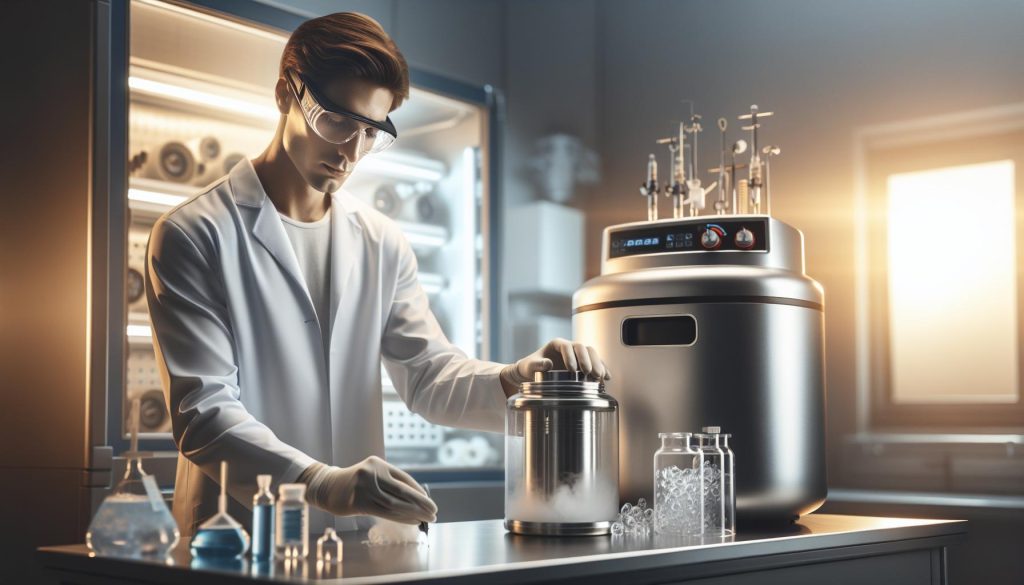
Imagine a world where freezing temperatures could heal and preserve life. Achieving cryogenic temperatures-defined as those below 120 K (−153 °C)-is no longer just a concept of science fiction; it has significant medical applications, from preserving biological samples to enhancing surgical outcomes through cryotherapy. As advancements in cryogenics unfold, understanding how to achieve and apply these ultra-low temperatures becomes crucial for healthcare professionals and patients alike. Not only does this technology offer potential breakthroughs in treatment strategies, but it also opens doors to innovative preservation techniques that can revolutionize patient care. Join us as we delve into the fascinating realm of cryogenics and explore its vital role in modern medicine.
Understanding Cryogenic Temperatures: Fundamentals and Principles
Cryogenic temperatures, defined as those below -150°C (-238°F), play a crucial role in various scientific and medical applications. At these extremely low temperatures, materials exhibit unique behaviors that can be harnessed for innovative treatments and technologies. One key characteristic of materials at cryogenic temperatures is the significant decrease in thermal energy and atomic motion. This allows for the preservation of biological samples, the conduction of electricity without resistance in superconductors, and the cooling of sensitive medical equipment.
In the realm of medicine, cryogenic temperatures are foundational to procedures like cryosurgery and cryopreservation. Cryosurgery involves the targeted destruction of abnormal or diseased cells by exposing tissue to subzero temperatures, effectively “freezing” them and leading to cellular death without affecting surrounding healthy tissues. Cryopreservation, on the other hand, is essential for the long-term storage of biological materials, such as blood, tissues, and even whole organs, by halting metabolic processes and preventing cell damage due to ice crystal formation.
A variety of substances are utilized to achieve these ultra-cold temperatures, including liquid nitrogen and liquid helium, which can maintain significantly lower temperatures compared to other methods. The efficiency of these cryogenic liquids not only enhances the effectiveness of medical procedures but also ensures the safety and viability of stored biological materials. Understanding these foundational principles allows healthcare professionals and researchers to explore the full potential of cryogenic technology, paving the way for advanced treatment methods and improved patient outcomes.
While navigating the complexities of cryogenic temperatures, it is essential to emphasize the importance of proper handling and application. Due to the risks associated with extreme cold, all cryogenic procedures should be conducted under strict medical supervision and with appropriate safety measures in place. Consultation with qualified healthcare providers is vital to ensure patients receive informed guidance tailored to their specific conditions and treatment options.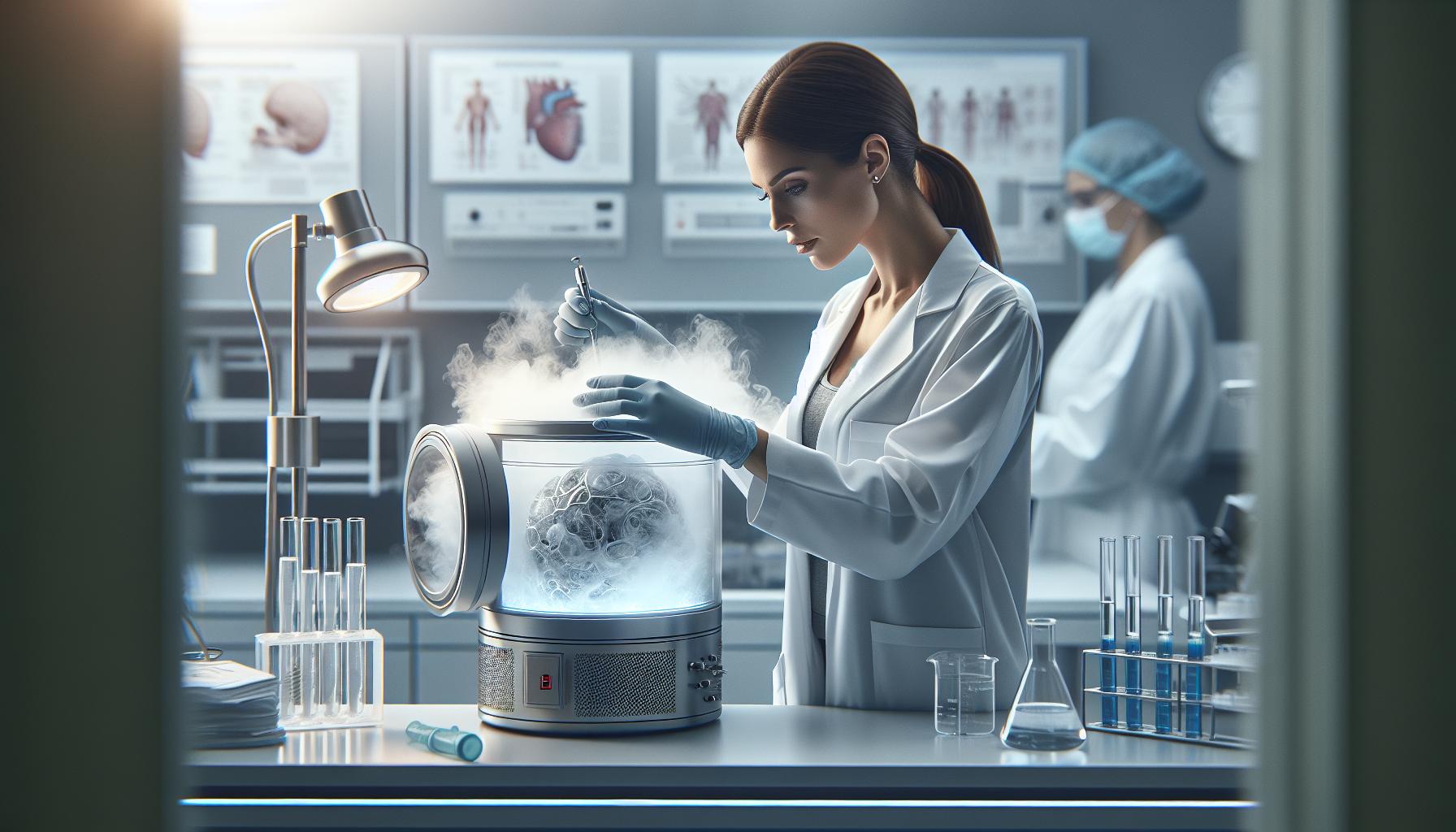
The Science Behind Cryogenics in Medicine
Cryogenic temperatures play a transformative role in the field of medicine, ushering in a new era of therapeutic possibilities. At temperatures below -150°C (-238°F), biological materials are preserved in a state that halts metabolic processes, allowing for innovative medical applications such as cryosurgery and cryopreservation. Understanding the science behind these extreme conditions is critical for both healthcare providers and patients harnessing the benefits of cryogenic technology.
In cryosurgery, the targeted application of cryogenic temperatures allows for the destruction of abnormal tissue without damaging surrounding healthy cells. This technique often employs liquid nitrogen or argon gas, precisely controlled to freeze specific areas, effectively inducing cell death-a method particularly useful in treating skin lesions, tumors, and other localized malignancies. The ability to achieve such temperature reductions is not only vital for effective treatment but also enhances recovery times and minimizes the need for more invasive surgical procedures.
Cryopreservation, another cornerstone of cryogenic medicine, is focused on storing biological materials such as cells, tissues, and even entire organs for future use. By cooling these materials to cryogenic temperatures, the risk of ice crystal formation is significantly reduced, preserving their viability for long-term storage. This is particularly crucial in fields like reproductive medicine, where sperm and embryos can be stored for years, or in organ transplantation, where organs can be preserved prior to surgery.
Both applications rely on advanced cryogenic equipment and meticulous protocols to ensure safe and effective outcomes. The critical aspect of achieving and maintaining these temperatures rests on the use of specialized cryogenic fluids, along with sophisticated monitoring systems that maintain precise conditions throughout the process. This level of control is necessary not only for effectiveness but also to mitigate risks associated with cryogenic procedures, underscoring the importance of professional oversight in all cryogenic medical applications. Consulting with qualified healthcare professionals is essential to navigate the complexities and determine the best individualized treatment approach.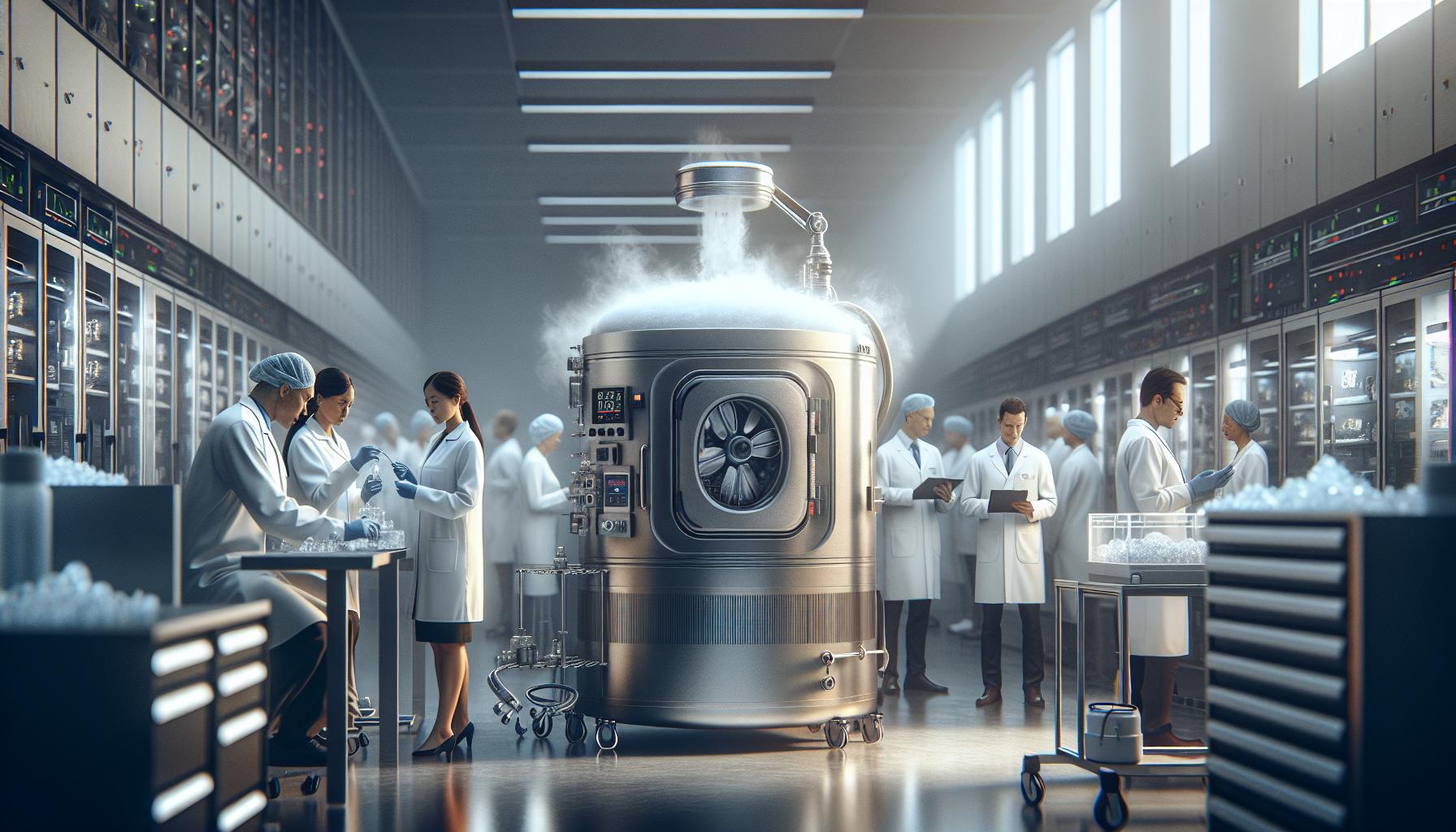
Key Medical Applications of Cryogenic Technology
Cryogenic technology has earned its place as a revolutionary force in medicine, presenting a broad range of applications that enhance patient care and treatment efficacy. One of the most prominent uses within the medical field is cryopreservation, a process that allows biological materials-such as cells, tissues, and organs-to be stored at extremely low temperatures. This drastically slows down metabolic processes and cellular activity, preserving the structural integrity and functionality of these materials for future use.
Another significant application is cryosurgery, where extreme cold is employed to target and destroy abnormal cells. This technique is particularly advantageous in oncology, where localized tumors can be effectively treated without impacting surrounding healthy tissue. The precision allowed by the application of cryogenic temperatures has been instrumental in minimizing recovery times and reducing the need for more invasive surgical interventions. For example, liquid nitrogen or argon gas is often used to achieve the necessary temperature levels that induce apoptosis in diseased cells, making this approach both effective and less traumatic for patients.
Moreover, the field of reproductive medicine utilizes cryogenic technology to preserve gametes and embryos, providing couples with the flexibility to conceive when they are ready. This practice not only aids in fertility treatments but also offers hope for individuals undergoing medical procedures that might compromise their reproductive health. By freezing and storing sperm and oocytes, healthcare providers can ensure that reproductive options remain available despite health challenges.
Applications of Cryogenic Technology in Medicine
- Cryopreservation: Essential for storing cells, tissues, and organs for transplantation, ensuring long-term viability.
- Cryosurgery: A precise method for eliminating tumors and abnormal tissue with minimal collateral damage.
- Reproductive Medicine: Storage of gametes and embryos to facilitate fertility treatments.
Each of these applications relies heavily on sophisticated cryogenic equipment designed to maintain low temperatures consistently. To ensure safety and effectiveness, medical professionals utilize specialized protocols and monitoring systems that regulate the cryogenic process, mitigating potential risks associated with these advanced treatments. It is crucial for patients considering cryogenic procedures to engage with qualified healthcare professionals to understand the benefits and risks tailored to their individual health circumstances.
Cryogenic Preservation: Benefits and Techniques
Cryogenic preservation stands at the forefront of medical innovation, enabling the successful storage of biological materials at extremely low temperatures. This process is pivotal not only for the future of transplantation medicine but also for advancements in fertility treatments, cancer care, and regenerative medicine. By drastically reducing metabolic activity, cryogenic preservation effectively halts cellular deterioration, allowing tissues, cells, and even entire organs to remain viable for extended periods.
One of the key techniques employed in cryogenic preservation is the use of cryoprotectants, which are substances that help protect biological specimens from damage during the freezing process. These agents work by preventing ice crystal formation, which can rupture cell membranes and compromise integrity. Common cryoprotectants include dimethyl sulfoxide (DMSO) and glycerol. The optimal concentration and type of cryoprotectant can vary depending on the material being preserved; thus, tailored protocols are essential for each application. The freezing phase typically occurs in controlled rates to further minimize cellular damage.
The benefits of cryogenic preservation are manifold. For instance, in the realm of organ transplantation, it allows for the extended storage of organs like kidneys and hearts, increasing the odds of successful transplants by matching donors and recipients more effectively. Additionally, in reproductive medicine, the ability to cryopreserve oocytes and sperm offers immense flexibility for individuals facing health issues or those who wish to delay parenthood. Such advancements have not only made fertility treatments more successful but have also opened doors for scientific research into genetic diseases and treatments.
While the process presents incredible possibilities, it is crucial for patients and healthcare professionals to navigate these technologies carefully and ethically. Engaging with qualified experts ensures that the unique needs of each patient are met and that the techniques applied are up-to-date with current medical standards and ethical considerations. As the field of cryogenic preservation continues to evolve, embracing both the science and the ethical frameworks surrounding it remains essential for maximizing its benefits.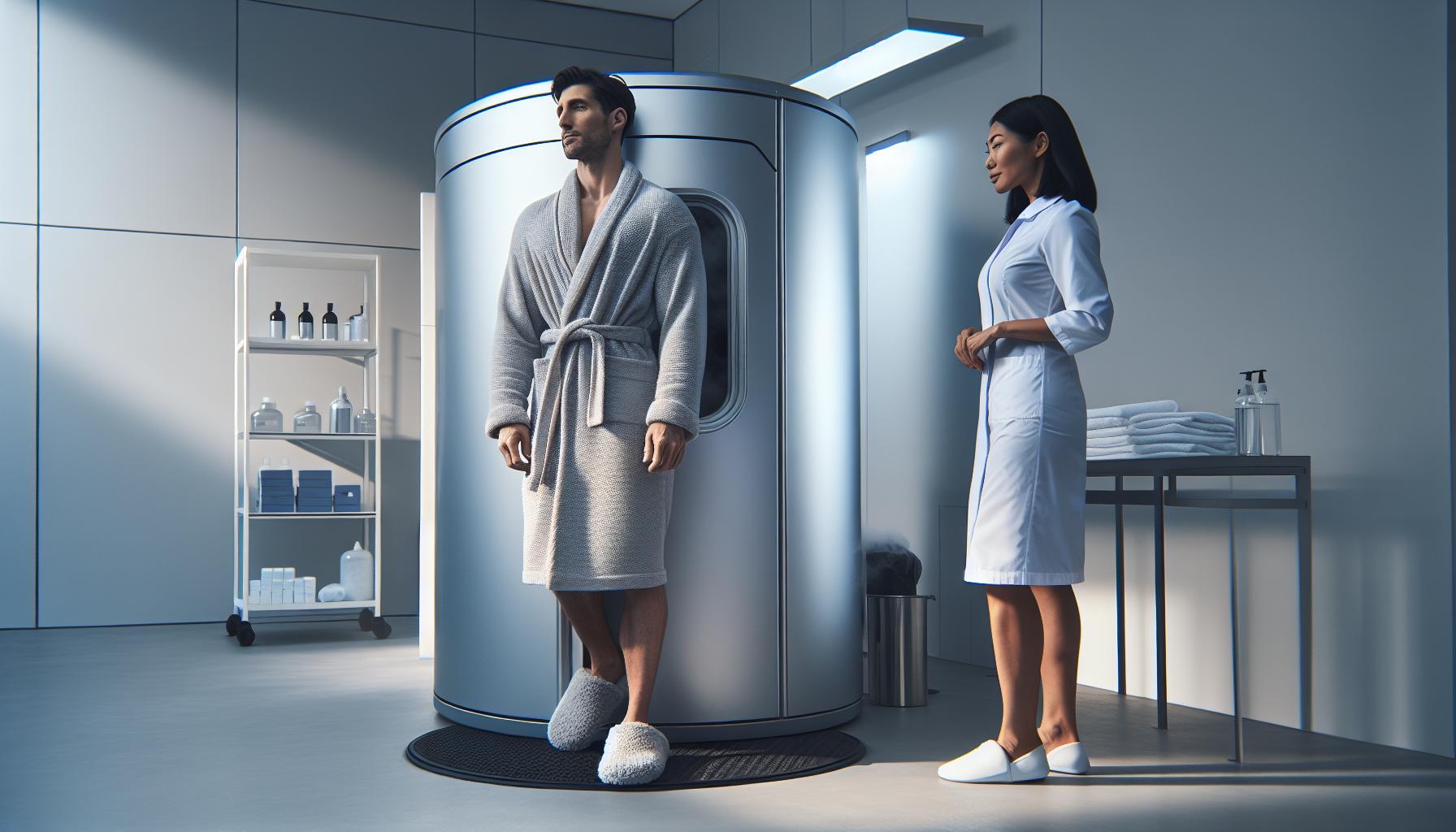
Cryotherapy: Effectiveness and Treatment Procedures
One of the most intriguing aspects of cryogenic applications in medicine is cryotherapy, a treatment that leverages extremely low temperatures to promote healing and well-being. This approach has gained popularity due to its ability to alleviate pain, reduce inflammation, and enhance recovery in various clinical settings. Research indicates that cryotherapy can be particularly effective in treating musculoskeletal injuries, improving athletic performance, and managing certain dermatological conditions.
Cryotherapy procedures typically involve applying cryogenic materials, such as liquid nitrogen or ice packs, to targeted areas of the body. These procedures can be performed in a clinical environment or through at-home methods. The process initiates a rapid cooling of the skin and underlying tissues, leading to vasoconstriction (narrowing of the blood vessels), which helps reduce swelling and inflammation. Furthermore, cold exposure activates the release of endorphins, the body’s natural painkillers, providing immediate relief.
The effectiveness of cryotherapy can vary based on several factors, including the type of procedure used and the specific condition being treated. Here are some common cryotherapy techniques:
- Localized Cryotherapy: This involves applying cold directly to a specific injury site, useful for conditions like tendonitis or muscle strains.
- Whole-Body Cryotherapy: In this method, the patient enters a cryotherapy chamber where their entire body is subjected to extremely low temperatures for a short duration, typically 2-4 minutes. This is popular among athletes and individuals seeking systemic benefits.
- Cryoablation: Medical professionals use cryotherapy to kill abnormal tissue, such as tumors or precancerous lesions, by freezing them.
While cryotherapy presents numerous benefits, it is vital to approach treatment with care and professional guidance. Patients should consult with healthcare providers to tailor the procedure to their unique needs and ensure that any existing medical conditions are appropriately managed. This is especially important for individuals with circulatory issues, cold-induced injuries, or other underlying health concerns. By engaging with qualified professionals, patients can experience the full potential of cryotherapy while minimizing risks and addressing any of their specific health needs.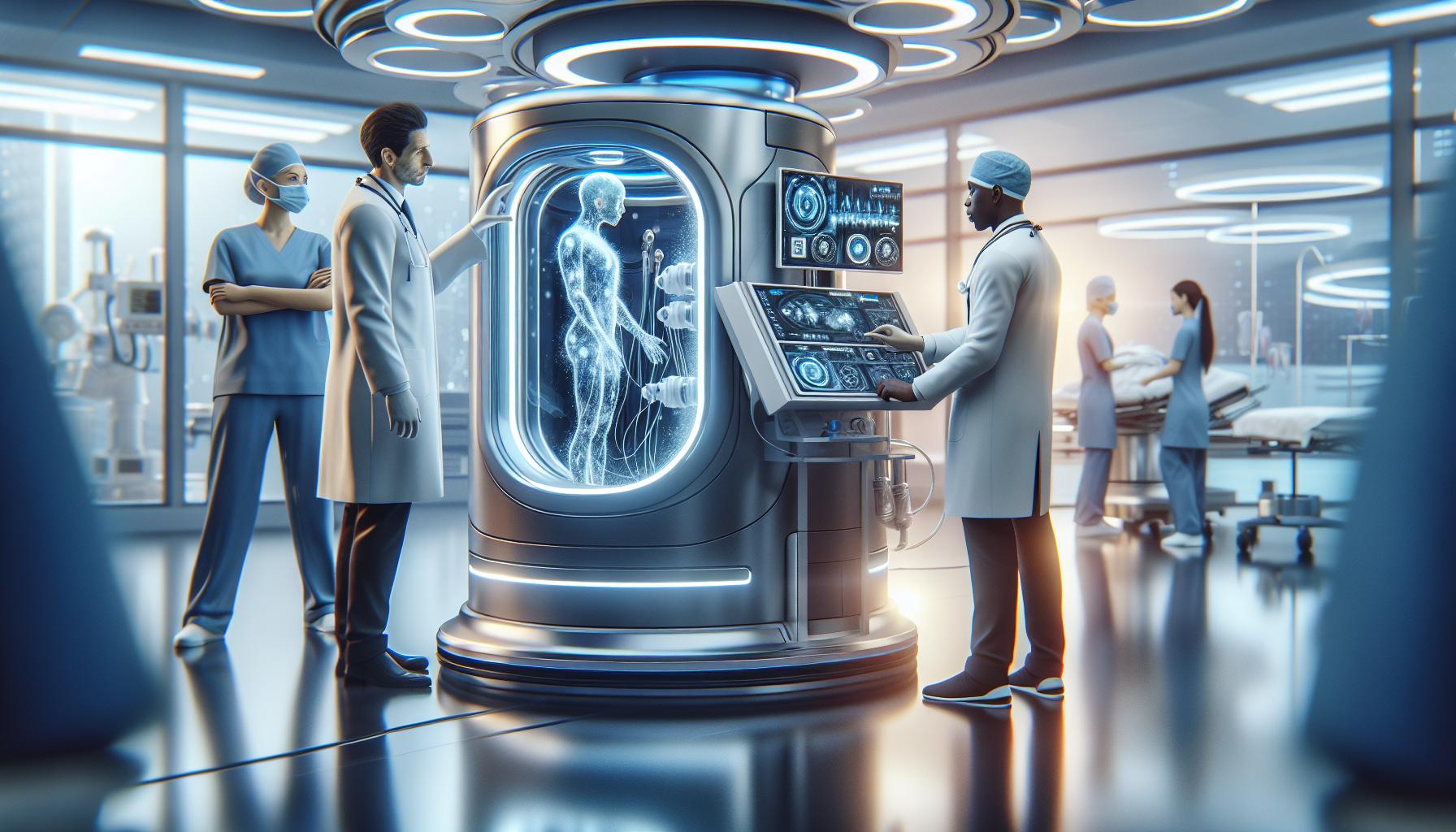
Exploring Cryogenic Surgery: Innovations and Techniques
The integration of cryogenic techniques into surgical practices is revolutionizing how certain conditions are treated, making procedures faster and less invasive. Cryogenic surgery utilizes extreme cold to target and destroy abnormal tissues safely, creating a minimally invasive approach to surgery that offers numerous benefits over conventional methods. This innovative technique leverages substances like liquid nitrogen or argon gas to cool tissues rapidly, leading to cell death through a process known as cryoablation.
One of the most significant advantages of cryogenic surgery is its precision. By applying cold directly to specific tissues, surgeons can minimize damage to surrounding healthy cells, which is particularly important in sensitive areas such as the brain or around vital organs. This targeted approach not only enhances recovery times but also reduces postoperative pain, making it an appealing option for patients. Conditions such as tumors, cysts, and even some dermatological issues can be effectively treated through cryoablation techniques.
Innovative Techniques in Cryogenic Surgery
Several innovative techniques have emerged within this field, enhancing the efficacy of cryogenic surgery:
- Cryoablation: Used extensively in oncological settings, this technique freezes cancerous tissues, leading to cell breakdown and death. This method is gaining traction due to its ability to treat tumors with minimal invasiveness.
- Interstitial Cryoablation: This involves placing cryoprobes directly into the tumor, cooling the area to induce freezing. By targeting the tumor from the inside, surgeons ensure a more effective treatment while sparing the surrounding healthy tissue.
- Endoscopic Cryotherapy: Utilizing endoscopes, surgeons can access difficult areas within the body more easily. This method allows for the direct application of cryogenic agents to lesions in places such as the lungs or gastrointestinal tract.
Cryogenic surgery is becoming more prevalent due to its reduced recovery times and lower risks of complications compared to traditional surgical approaches. However, as with any medical procedure, it’s essential for patients to engage in thorough consultations with qualified healthcare professionals to understand the appropriateness of cryogenic techniques for their conditions. Insights from specialists can guide potential patients in weighing the benefits against the risks, ensuring that this advanced surgical option aligns with their personal health goals and circumstances.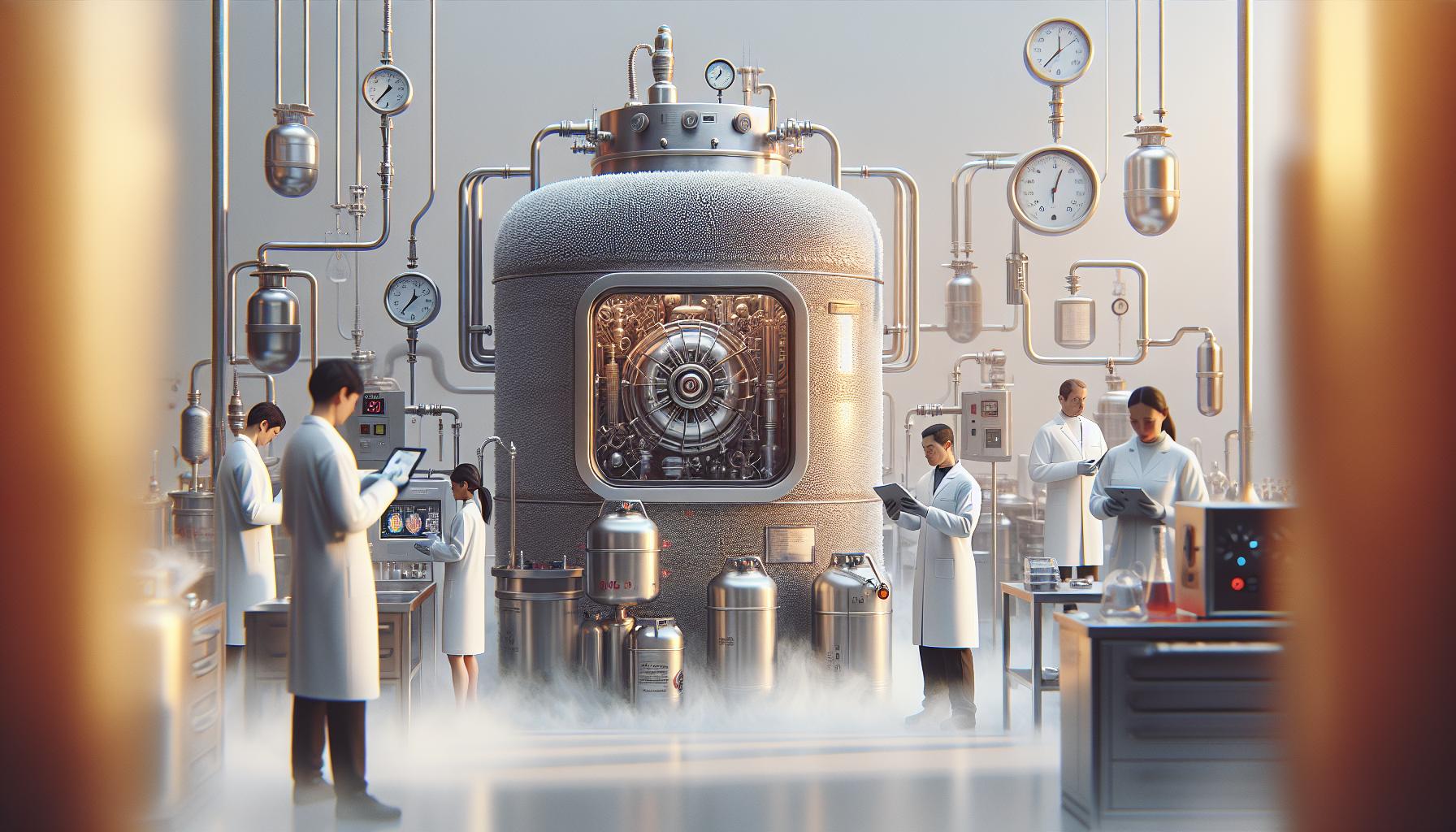
Challenges in Achieving Cryogenic Temperatures
Achieving cryogenic temperatures for medical applications poses a series of complex challenges, primarily due to the extreme conditions required and the intricacies involved in maintaining such low temperatures. One of the primary factors affecting the feasibility of achieving these temperatures is the type of cryogenic materials used. Common refrigerants such as liquid nitrogen and helium require specialized equipment and meticulous handling processes to ensure maximal efficiency and safety. The thermal management systems must be capable of both achieving and sustaining these temperatures, often necessitating sophisticated technology and significant infrastructural investment.
Moreover, precise temperature control is vital to prevent thermal shocks, which can damage biological tissues. Sudden changes in temperature can lead to ice crystal formation within cells, potentially causing irreversible damage. Thus, controlled cooling techniques must be utilized, employing gradual temperature reductions to safeguard the integrity of the tissues being treated. In addition, the delivery systems, such as cryoprobes or cryo-needles, need to be engineered to deliver the cryogenic agents efficiently while minimizing exposure to surrounding healthy tissues.
Another significant challenge is ensuring the safety of patients and medical staff during procedures involving cryogenic temperatures. Handling cryogenic materials requires stringent safety protocols to prevent frostbite and other cold-related injuries. Protective equipment is essential, and areas where cryogenic procedures are conducted must possess adequate ventilation and precautions against leaks or spills to mitigate hazards.
Lastly, there’s an ongoing challenge of integrating cryogenic technologies into existing medical frameworks. Training healthcare professionals on the proper techniques and equipment usage for cryogenic applications is crucial to maximizing their effectiveness while minimizing risks. This integration involves not only technical training but also an interdisciplinary approach, merging expertise from fields such as physics, biology, and medicine to foster innovation and expand the therapeutic potential of cryogenic treatments.
In conclusion, while the medical applications of cryogenic temperatures hold great promise, successfully navigating the challenges associated with achieving and maintaining these temperatures is critical. Engaging with qualified healthcare professionals and specialists in cryogenics can facilitate understanding the appropriate technologies and protocols, helping to realize the full potential of cryogenic interventions in modern medicine.
Safety Measures for Cryogenic Procedures
The use of cryogenic temperatures in medical applications, such as cryotherapy and cryosurgery, offers tremendous benefits but also comes with significant risks. As these extremely low temperatures can lead to severe frostbite or tissue destruction, implementing rigorous safety measures is paramount. Ensuring both patient and provider safety requires a comprehensive understanding of cryogenic materials and their handling practices.
To safeguard against potential hazards, a structured approach should be adopted:
Personal Protective Equipment (PPE)
The use of appropriate PPE is essential when working with cryogenic materials. Medical staff should don:
- Insulated gloves: Protects hands from extreme cold and frostbite.
- Face shields: Shields the face and eyes from splashes or vapors that can cause injury.
- Thermal aprons: Provides additional protection for the torso and legs.
By using the right protective gear, healthcare providers minimize the risk of cold-related injuries.
Controlled Environment
Cryogenic procedures should be conducted in controlled environments equipped with proper ventilation systems. It is vital to have:
- Ventilation: To disperse any leaking gas or vapor from cryogenic substances, preventing hazards related to asphyxiation.
- Emergency equipment: Including frostbite treatment kits and emergency telephones for quick response if necessary.
Implementing these controls significantly reduces the risk associated with cryogenic procedures.
Training and Protocols
Comprehensive training programs focusing on the safe use of cryogenic materials should be mandatory for all personnel. This includes:
- Handling procedures: Emphasizing the proper techniques for using cryogenic agents to prevent accidents.
- Emergency response: Ensuring staff is trained to handle accidents effectively, including managing spills or exposures.
Regular drills can reinforce this training and ensure that all staff members are prepared for emergency scenarios.
In summary, while cryogenic procedures present innovative solutions in medical treatment, their safe application is critical. Healthcare professionals must adhere to stringent safety practices, utilize protective equipment, maintain a well-regulated environment, and engage in rigorous training to ensure the well-being of both patients and staff. Ultimately, consulting with experienced healthcare providers is vital before undertaking any procedures involving cryogenic techniques.
Future Trends in Cryogenic Medical Applications
The landscape of cryogenic medical applications is on the brink of a transformative leap, promising innovative treatments that may redefine patient care in various domains. As technology advances, the potential for cryogenics extends well beyond its traditional roles in preserving biological materials or performing targeted therapies. The future is likely to see enhanced techniques with improved efficacy, reduced side effects, and broader applications across specialties.
One of the most promising advancements lies in the integration of cryogenic technology within personalized medicine. As treatments become more tailored to individual patients, cryogenics can play a crucial role in developing bespoke therapies. For example, precision cryotherapy could target cancerous cells more accurately, using personalized genetic and molecular profiles to optimize treatment effectiveness while minimizing damage to healthy tissues.
Furthermore, the exploration of new cryogenic materials and techniques is expected to enhance existing methods. Researchers are investigating cryogenic agents that allow for safer, more efficient procedures. Innovations like portable cryogenic devices for real-time treatment, expandable cryoprobes for precise applications, and automated monitoring systems could revolutionize operational protocols in both surgical and rehabilitation settings.
Challenges still remain, particularly regarding the biological effects of prolonged exposure to cryogenic temperatures, which necessitates extensive research. However, collaborations between engineers, biologists, and medical professionals are paving the way toward solutions that are as safe as they are effective. Enhanced training for healthcare providers focusing on cryogenic techniques will be essential to ensure the successful implementation of these new technologies in clinical practice.
Strong emphasis on ethical considerations and patient education will also play a critical role as cryogenic therapies become more prevalent. Understanding patient experiences and potential treatment pathways will empower individuals to make informed decisions about their health. Ultimately, engaging healthcare professionals will be imperative for those interested in exploring the possibilities of cryogenic treatments, ensuring that all procedures are approached with the necessary medical expertise and care.
Ethical Considerations of Cryogenic Treatments
The rapid advancement of cryogenic techniques has brought forth transformative possibilities in medical applications, but with these innovations come complex ethical questions. As practices such as cryotherapy and cryogenic preservation become more common in clinical settings, it is essential to thoroughly consider the implications of these treatments on patient autonomy, informed consent, and the potential for long-term consequences.
One significant ethical concern revolves around informed consent. Patients must be fully briefed on all potential risks, benefits, and uncertain outcomes associated with cryogenic treatments. This means that healthcare providers should offer detailed explanations of how proprietary cryogenic technologies work, any known side effects, and the extent of the procedure’s effectiveness. For instance, what might appear as a straightforward therapy could involve intricate interactions between cryogenic temperatures and individual physiological responses. Patients should be empowered to ask questions and receive honest, clear answers to facilitate informed decision-making.
Additionally, considerations concerning the accessibility of cryogenic treatments can raise ethical questions. As these therapies may not be widely available or affordable, there is a risk of creating disparities in healthcare access. This raises concerns about equity in treating various conditions, particularly when evidence suggests that certain populations may benefit more from advanced cryogenic techniques. Addressing these inequalities in access is crucial for ethical medical practice, emphasizing the need for policies that promote fair distribution of innovative therapies.
Another ethical aspect involves the long-term consequences of cryogenic procedures. While immediate effects might be positive, the lack of extensive longitudinal studies raises questions about the potential for unforeseen negative outcomes. Continuous monitoring and research are essential to evaluate the lasting effectiveness of cryogenic interventions, especially as more patients undergo these treatments. Thus, ethical medical practice should involve not only immediate patient welfare but also a commitment to understanding the broader implications of new technologies over time.
In navigating these ethical considerations, it is crucial for patients to engage with healthcare professionals who can guide them through the complexities of cryogenic treatments. By fostering open communication and prioritizing patient-centered care, practitioners can help ensure that ethical standards guide the implementation and evolution of cryogenic medical applications.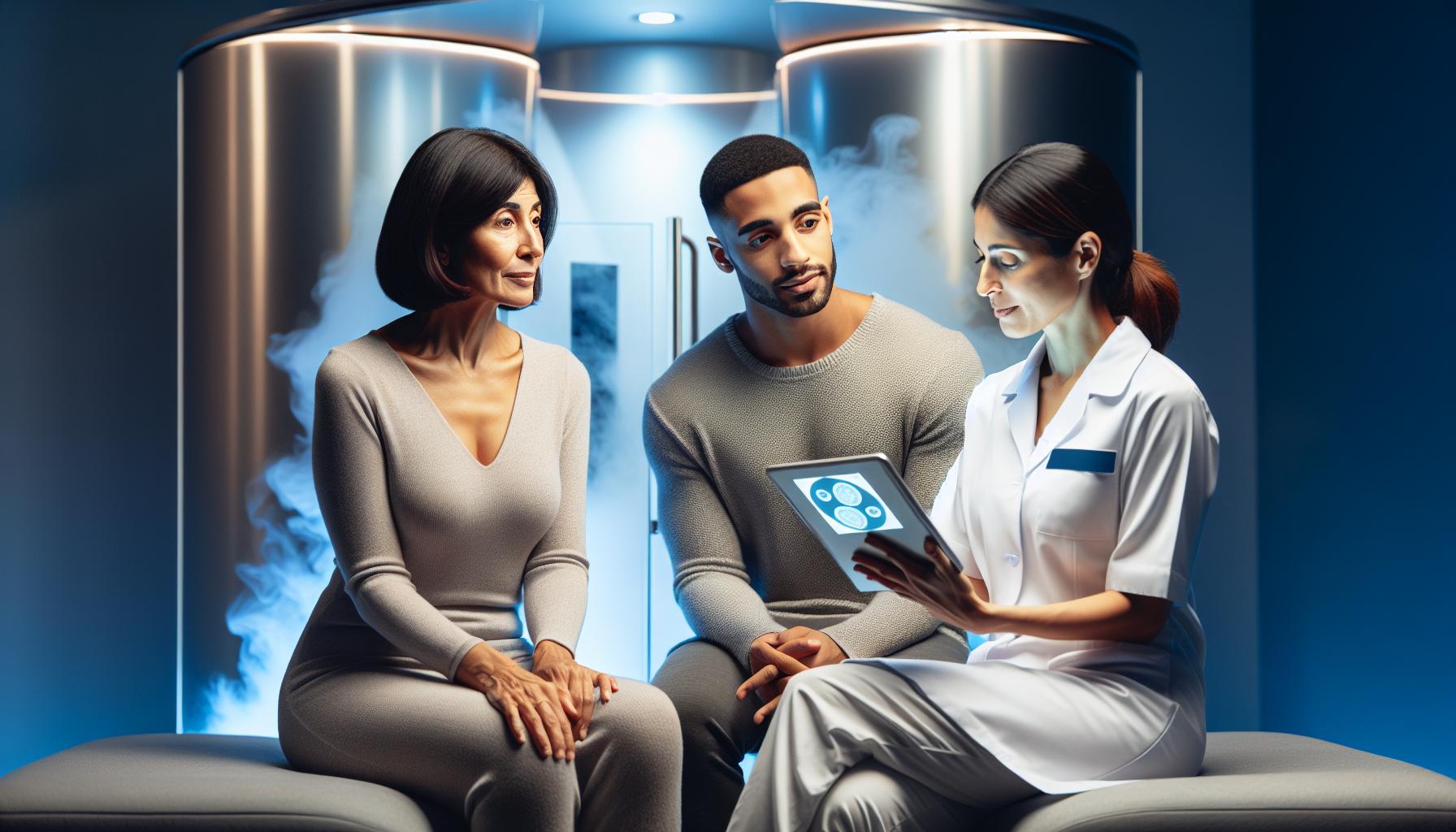
Patient Experiences: What to Expect from Cryogenic Therapies
Experiencing cryogenic therapies can often be a transformative journey for patients seeking both relief and recovery from various medical conditions. As these treatments involve exposing the body to extremely low temperatures, individuals may initially feel apprehensive. However, understanding what to expect can help alleviate fears and enhance the overall experience.
Typically, patients engage in cryotherapy sessions that can last anywhere from a few minutes to around 30 minutes, depending on the method used-whether it be localized cryotherapy or whole-body cryotherapy. Many report a tingling sensation during the process, followed by a wave of warmth once the treatment is complete. This immediate response can often lead to increased endorphin release, which may contribute to an enhanced sense of well-being. It’s also crucial to stay hydrated before and after sessions, as proper hydration supports the body’s recovery processes.
Moreover, while the initial experience might be novel, ongoing sessions often lead to cumulative benefits. Patients frequently describe improvements in pain relief, reduction in inflammation, and enhanced recovery times post-exercise or injury. Regular users also mention better sleep quality and increased energy levels, showcasing the broader health benefits that may arise from consistent cryogenic therapy.
It is essential for prospective patients to have open discussions with healthcare professionals about their individual needs and medical history. Identifying the most suitable cryogenic approach tailored to one’s specific condition can enhance safety and effectiveness. Additionally, understanding the potential for side effects-while minimal-such as skin irritation or numbness can prepare individuals for what to expect. Ultimately, navigating these therapies with informed guidance supports optimal outcomes and a positive patient experience in the innovative landscape of cryogenic medicine.
Consulting Healthcare Professionals: Importance and Guidance
Seeking guidance from healthcare professionals is a critical step for anyone considering the diverse applications of cryogenic treatments. The world of cryogenics, particularly in medical contexts, is continuously evolving, and engaging with experts can ensure that individuals make informed choices tailored to their specific health needs. Professionals not only bring a wealth of knowledge about the latest technological advances and research but also offer insights into potential risks and preventative measures, ensuring that the procedures are both safe and effective.
When exploring cryogenic therapies, patients may have various inquiries ranging from the procedural details to the expected outcomes and potential side effects. Healthcare providers can address common concerns, such as the safety of exposing the body to extremely low temperatures, the frequency of sessions needed for optimal results, and proper aftercare to promote recovery. Moreover, each individual’s medical history is unique, and personalized consultations help in identifying contraindications that might affect a patient’s suitability for certain cryogenic interventions.
Patients should prepare for their consultations by compiling a list of questions and concerns regarding their health status. It can be beneficial to discuss:
- Current medical conditions and any medications being taken
- History of skin sensitivities or circulatory issues
- Goals for undergoing cryogenic treatment
- Any previous treatments they have undergone for similar conditions
This proactive approach not only aids healthcare professionals in developing a comprehensive treatment plan but also empowers patients to take an active role in their healthcare journeys. By prioritizing consultations with qualified experts, individuals can maximize the benefits of cryogenic therapies, minimize any potential complications, and foster a deeper understanding of their own health and healing processes.
Frequently Asked Questions
Q: What are the methods to achieve cryogenic temperatures in medical settings?
A: Achieving cryogenic temperatures in medical settings typically involves using cryogenic gases like liquid nitrogen. Equipment designed for controlled cooling, such as cryostats and cryogenic freezers, is employed to maintain low temperatures necessary for various applications like tissue preservation and cryotherapy.
Q: Why is cryogenic preservation important in medicine?
A: Cryogenic preservation is crucial in medicine as it allows for the long-term storage of biological materials, such as cells and tissues, at ultra-low temperatures. This process halts cellular metabolism and prevents damage, which is vital for procedures like organ transplantation and reproductive medicine.
Q: How does cryotherapy work and what temperatures are used?
A: Cryotherapy uses cold temperatures to treat injuries and manage pain by applying extreme cold directly to the skin, often utilizing liquid nitrogen or ice packs. The temperatures can range from -20°C to -196°C depending on the treatment’s objective and method.
Q: What safety precautions are necessary when using cryogenic technology in medicine?
A: Safety precautions include using protective gear, such as gloves and goggles, to prevent frostbite or injuries from cryogenic materials. Proper ventilation is also essential to avoid gas buildup and to handle materials in a controlled environment, ensuring operator safety during procedures.
Q: What advancements are being made in cryogenic applications for medicine?
A: Current advancements in cryogenic medicine include improved cryopreservation techniques, innovative cryotherapy treatments, and the development of automated systems for better precision in temperature control. These innovations enhance efficiency and safety, broadening the range of medical applications [2[2].
Q: Can cryogenic techniques be applied to all types of tissues and cells?
A: Cryogenic techniques can be applied to many types of tissues and cells, but their success varies. Some cells, like stem cells and reproductive cells, are particularly amenable to cryopreservation, while others may require specific protocols to minimize damage during freezing and thawing.
Q: When might a patient consider cryogenic treatment options?
A: Patients may consider cryogenic treatment options for conditions such as chronic pain, inflammation, or injury recovery. Cryotherapy may also be an option for specific dermatological issues, making it essential for patients to discuss these options with their healthcare providers [3[3].
Q: What are the ethical considerations regarding cryogenic treatments in medicine?
A: Ethical considerations in cryogenic treatments include the implications of long-term storage and potential future use of preserved biological materials, consent from donors, and the moral considerations of preserving life at such low temperatures. Patients should discuss these aspects with their healthcare professionals to make informed decisions.
In Retrospect
As we conclude our exploration of achieving cryogenic temperatures in medical applications, it’s evident that this innovative technology holds immense potential for enhancing treatment outcomes. From preserving vital biological material to advancing surgical techniques, the power of cryogenics is reshaping healthcare. Don’t miss the chance to stay ahead in medical advancements-consider subscribing to our newsletter for the latest insights and updates.
If you’re curious about related topics, check out our articles on the latest breakthroughs in cryogenic therapies and how they compare to traditional methods. Should you have any questions or concerns about how cryogenic treatments may apply to your health, we encourage you to consult a healthcare professional for tailored advice. Your journey towards better health starts with informed choices-explore our resources further and take the next step!