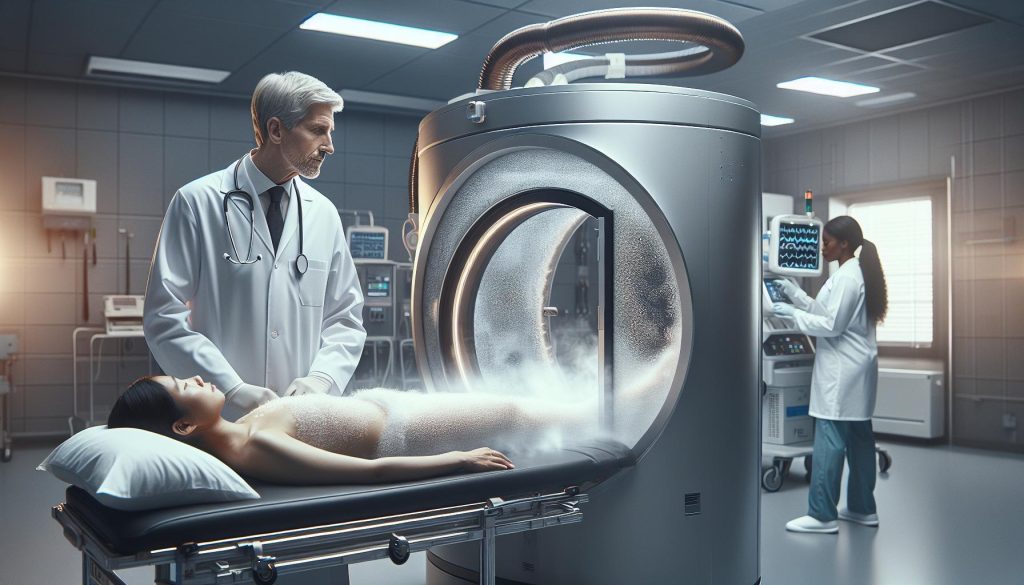
Did you know that cryogenic cooling techniques are revolutionizing medical treatments? This innovative technology harnesses extreme cold to enhance various medical applications, from cryotherapy for skin lesions to preserving biological samples. As healthcare continues to advance, understanding cryogenic cooling becomes essential for anyone interested in cutting-edge therapeutic options. This article explores seven significant medical applications of cryogenic cooling, highlighting their importance and potential benefits. Whether you’re a patient seeking alternative treatments or simply curious about medical technology, you’ll find insights that can inform your healthcare journey. Join us as we delve into this fascinating topic and uncover the transformative effects of cryogenic cooling in medicine.
What is Cryogenic Cooling and How It Works
Cryogenic cooling involves the use of extremely low temperatures, typically below -150°C (-238°F), to preserve or manipulate biological tissues, enhance medical imaging, and treat various medical conditions. At these temperatures, molecular movement slows significantly, which can effectively halt biochemical processes. This property provides a valuable tool for applications in medicine, where maintaining the integrity of biological structures is crucial.
In a medical context, cryogenic cooling is often utilized for tissue preservation, particularly in the banking of organs, cells, and other biological samples. This preservation method ensures that the viability of tissues is maintained over extended periods, making it possible to store and transport specimens for later use in transplantation or research. Additionally, cryogenic techniques play a vital role in cancer treatment through local ablation methods, where targeted freezing damages or destroys tumor cells without affecting surrounding healthy tissue.
Moreover, advancements in cryogenic technologies are enhancing diagnostic imaging methods. For instance, the use of cryogenics in magnetic resonance imaging (MRI) improves signal-to-noise ratios, resulting in clearer images that aid in diagnosing medical conditions more accurately. As such, cryogenic cooling not only safeguards biological materials but also contributes to the precision of medical diagnostics and treatments, marking its importance in modern healthcare practices.
Benefits of Cryogenic Cooling in Medicine
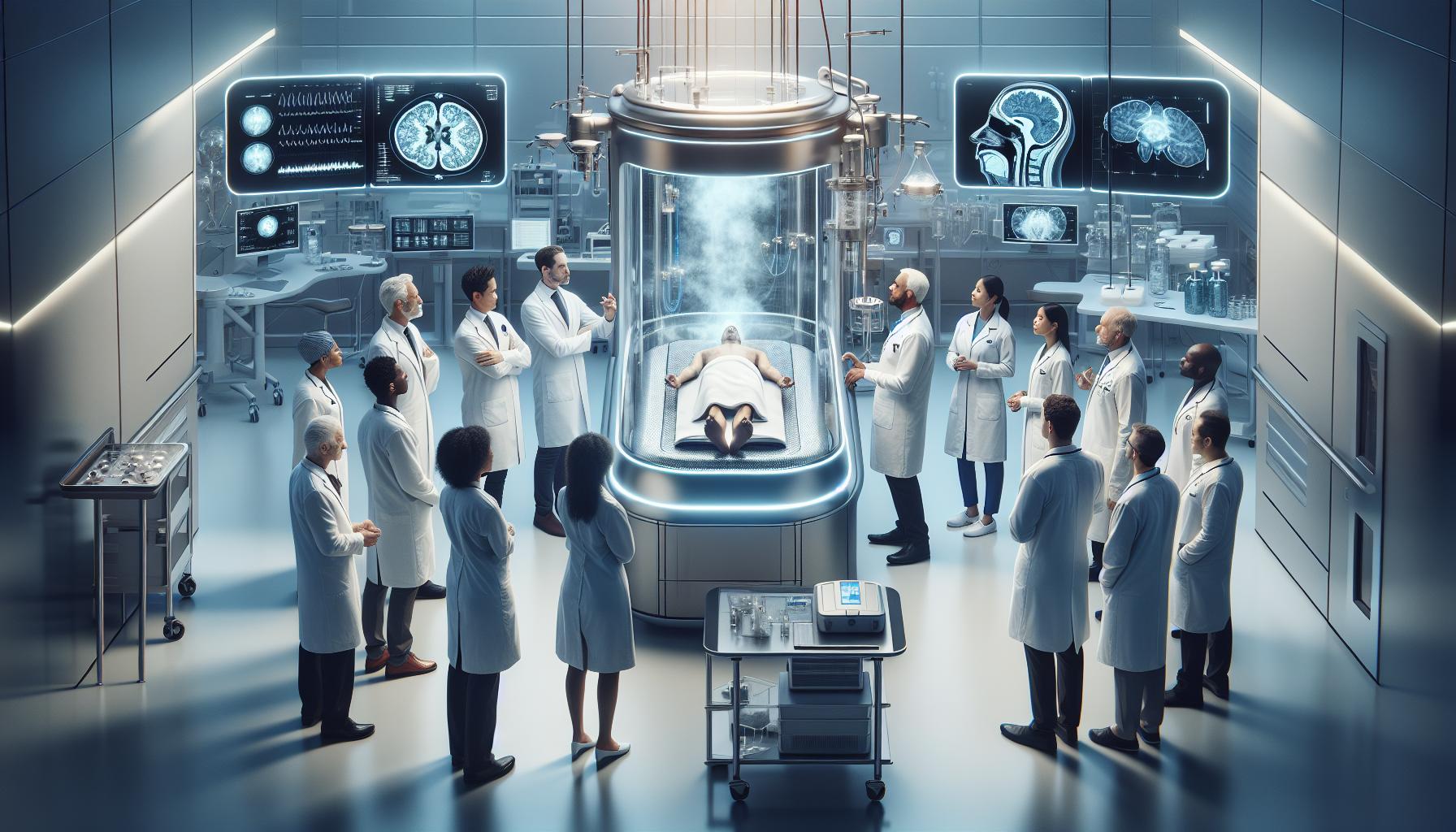
Cryogenic cooling offers a fascinating array of benefits in the field of medicine, profoundly impacting patient care and treatment methodologies. By utilizing extremely low temperatures, this technique not only preserves biological integrity but also enhances therapeutic outcomes. One of the most significant advantages is its role in tissue preservation, such as in organ banking or stem cell storage. With cryogenic technology, tissues can be preserved for extended periods without compromising their viability, making it possible to store vital grafts for transplantation or research purposes.
In addition, cryogenic cooling is invaluable in the realm of cancer treatment. Techniques such as cryoablation involve the precise freezing of cancerous tissues, which effectively destroys tumor cells while minimizing damage to the surrounding healthy tissue. This method is particularly appealing due to its minimally invasive nature and reduced recovery times, allowing patients to experience less discomfort and a quicker return to normal activities. Studies have shown encouraging results in various types of cancers, further solidifying cryogenic treatment as a reputable option within oncology.
Furthermore, advancements in cryogenic technology enhance diagnostic imaging processes, notably in magnetic resonance imaging (MRI). The application of cryogenics improves signal clarity and overall image quality, facilitating more accurate diagnoses. Clearer imaging can lead to earlier detection of abnormalities, promoting timely intervention and effective treatment planning. This aspect of cryogenic cooling is becoming increasingly critical as healthcare systems strive for enhanced diagnostic accuracy and efficiency.
Overall, the multifaceted benefits of cryogenic cooling-ranging from improved tissue preservation to enhanced treatment outcomes in cancer care-underline its transformative role in modern medicine. As research continues to uncover new applications and refine existing techniques, medical professionals have a powerful ally in cryogenics to improve patient care. Always consult qualified healthcare providers for personalized medical advice and treatment options that fit individual patient needs.
Cryogenic Techniques for Tissue Preservation
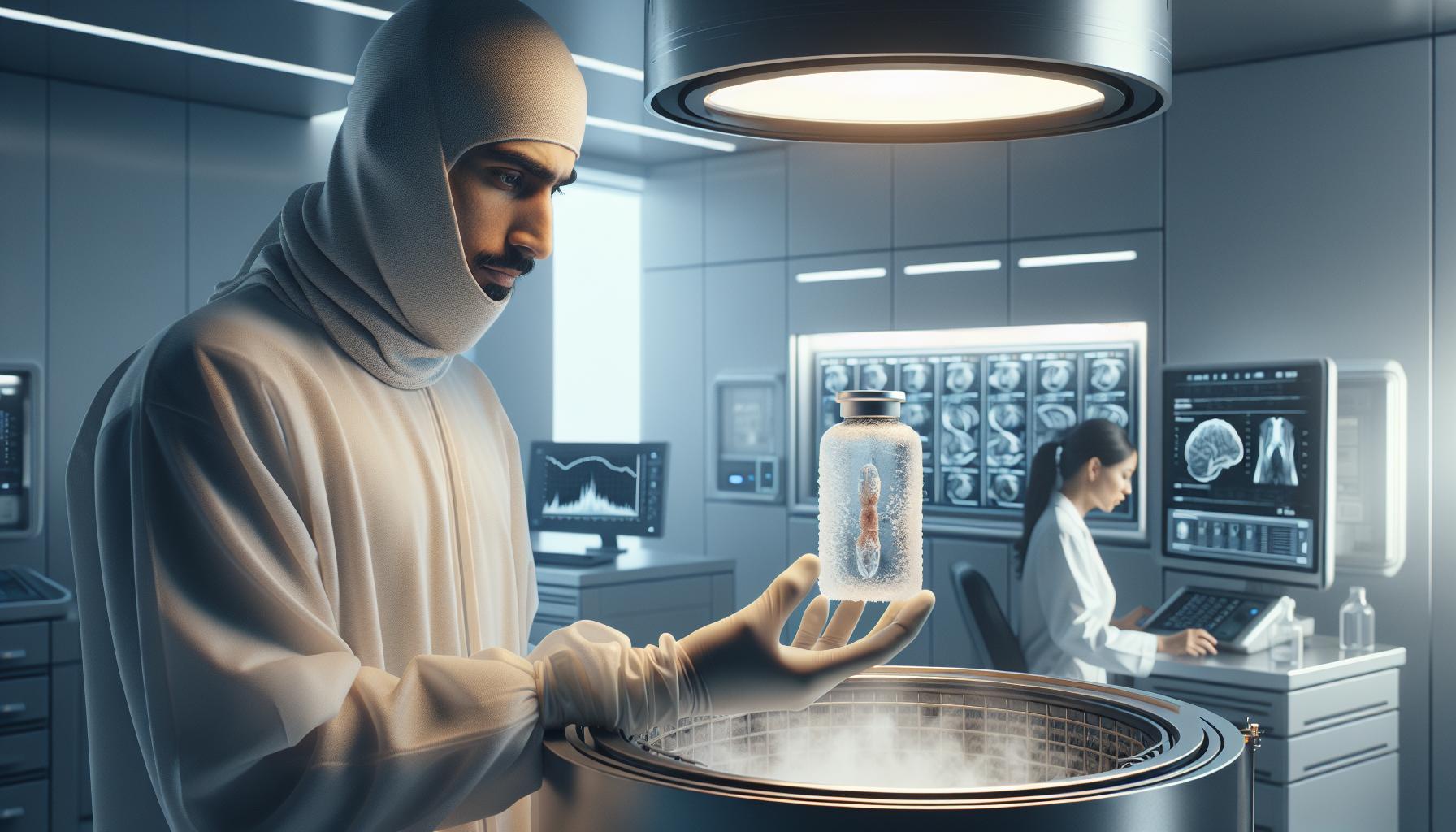
harness the remarkable ability of low temperatures to stop biological processes, effectively halting decay and degradation. This preservation method is vital for banking tissues and organs, which serves critical roles in transplantation, research, and therapeutic applications. By employing these techniques, medical professionals can ensure that essential biological materials remain viable for extended periods, thus facilitating advances in medicine and healthcare.
One of the most common methods used in cryogenic preservation is the controlled-rate freezing technique. This method carefully regulates the cooling rate to prevent the formation of ice crystals, which can damage cell membranes and compromise the integrity of the preserved tissues. By utilizing cryoprotectants-substances that reduce ice formation-researchers can enhance cell survival rates after thawing. For example, stem cells are often preserved using these techniques, allowing for their use in various treatments, including regenerative medicine where they can be used to repair damaged tissues.
Moreover, the application of liquid nitrogen, which maintains ultra-low temperatures around -196°C, is pivotal in preserving tissues for both clinical and experimental purposes. This method not only allows for long-term storage but also ensures that the structural and functional characteristics of the tissues remain intact. Whether for storing skin grafts for burn victims, preserving reproductive cells for infertility treatments, or maintaining organ viability for transplantation, cryogenic techniques play a crucial role in advancing medical practices.
In addition to saving lives through organ transplant solutions, these techniques also bear implications for future medical advancements. Ongoing research is expanding the horizons of cryogenics, exploring new cryoprotectants and freezing protocols that may further enhance preservation outcomes. As this field evolves, the potential applications of cryogenic technology expand, promising to reshape how medicine approaches tissue and organ preservation. As always, it’s essential for individuals to consult healthcare professionals to get personalized advice regarding cryogenic preservation and related treatments.
Cryogenic Cooling in Cancer Treatment

Cryogenic cooling plays a pivotal role in the treatment of cancer, particularly through techniques that target and destroy malignant tissues while minimizing damage to surrounding healthy cells. One of the most groundbreaking methods in this area is cryosurgery, which employs extremely low temperatures to freeze and eliminate cancerous cells. This approach not only provides a less invasive alternative to traditional surgical methods but also reduces recovery time and associated complications.
Cryosurgery typically involves the use of liquid nitrogen or argon gas to cool instruments to temperatures around -196°C. When applied to cancer tumors, this process causes ice crystals to form within the malignant cells, leading to cell rupture and subsequent death. The precision of this technique allows for tailored treatments that can be applied to various types of tumors, including those in the prostate, liver, and skin, offering patients a viable option when traditional therapies may not be suitable or effective.
Moreover, cryogenic techniques are advantageous for individuals with localized cancers, allowing for targeted destruction of tumors without the need for extensive incisions. With advancements in imaging technology, healthcare providers can now monitor the effectiveness of cryoablation in real-time, ensuring optimal results and reducing the likelihood of residual abnormal tissues. This method not only highlights the potential of cryogenic applications in controlling cancer but also illustrates a key evolution in oncological practices.
As research continues to advance, the future of holds promise for even broader applications. Ongoing studies are exploring combinations of cryotherapy with immunotherapy and other treatments, aiming to enhance overall efficacy and patient outcomes. However, while the potential is substantial, it remains crucial for patients to consult healthcare professionals who can provide personalized guidance based on individual circumstances, ensuring the most effective treatment plan tailored to their unique medical needs.
Applications in Cryosurgery: Freezing Cancer Cells
Cancer treatment has evolved significantly over the years, and one of the most innovative methods gaining traction is cryosurgery. This technique utilizes extreme cold to target and freeze cancerous cells, effectively destroying them while sparing surrounding healthy tissue. By harnessing the power of cryogenic cooling, healthcare providers can offer patients a minimally invasive option that not only reduces trauma but also shortens recovery times.
During cryosurgery, clinicians typically employ liquid nitrogen or argon gas to reach temperatures around -196°C. When applied directly to cancerous tumors, ice crystals form within the cells, leading to cellular disruption and death. The controlled freezing process allows for precise targeting, making it applicable to various types of cancer, including those affecting the prostate, liver, and skin. This specificity is particularly beneficial in cases where traditional surgical methods may not be feasible or may pose greater risks due to the tumor’s location or the patient’s health status.
The advantages of cryosurgery extend beyond its effectiveness in tumor destruction. For patients with localized cancers, the technique minimizes the need for large incisions, thereby reducing the risk of complications and enhancing recovery. Moreover, the integration of advanced imaging technologies enables real-time monitoring of the procedure, allowing healthcare providers to assess treatment effectiveness instantly and make adjustments as necessary. This proactive approach not only maximizes therapeutic outcomes but also reassures patients through enhanced transparency about their treatment.
Cryogenic techniques are continuously being refined and researched, with ongoing studies exploring the synergistic effects of combining cryosurgery with other treatments, such as immunotherapy. As the field of oncology evolves, cryosurgery is positioned as a promising avenue for improving cancer care, providing patients with more options, and emphasizing the critical role of professional medical consultation in developing tailored treatment plans.
Enhancing Diagnostic Imaging with Cryogenic Methods

Utilizing cryogenic methods has proven to be transformative in the realm of diagnostic imaging, enhancing both the precision and accuracy with which medical conditions are assessed. Cryogenic cooling reduces thermal noise and enhances image quality, particularly in techniques such as magnetic resonance imaging (MRI) and positron emission tomography (PET). By cooling the detectors and components of imaging systems, cryogenics can significantly improve the sensitivity and resolution of these imaging modalities, allowing clinicians to detect smaller anomalies that may otherwise go unnoticed.
How Cryogenic Cooling Works in Imaging
Cryogenic imaging techniques employ ultra-low temperatures to increase the effectiveness of various imaging systems. For example, superconducting materials used in MRI systems become more efficient when cooled to cryogenic temperatures. The process minimizes thermal fluctuations, which can obscure the fine details captured in images. This increased clarity is critical in diagnosing a range of conditions, from tumors to neurological disorders. Consequently, patients benefit from more accurate diagnostic outcomes, which facilitate timely and appropriate treatment plans.
Real-World Applications
Several medical facilities now integrate cryogenic techniques into their diagnostic processes. For instance, hospitals might utilize specialized MRI machines that incorporate cryogenically-cooled detectors, improving their ability to obtain detailed images of the brain or spine. Additionally, advancements in PET scanners also showcase the capability of cryogenic systems, enhancing the detection of metabolic activity in cancer cells, which is crucial for staging and treatment planning.
In summary, the application of cryogenic methods in diagnostic imaging stands out not just for its technological innovation, but for its ability to improve patient care by assisting healthcare professionals in making informed decisions based on high-quality images. As the field continues to evolve, the integration of cryogenics in diagnostic imaging signifies a promising avenue for enhancing clinical outcomes and patient safety. Always consult a healthcare provider for personalized insights into the best imaging options based on individual health conditions.
The Role of Cryogenics in Pain Management
Cold therapy, commonly associated with sports injuries, can take on a revolutionary form through cryogenics, a technology that uses extremely low temperatures to provide therapeutic benefits. In the realm of pain management, cryogenic techniques offer innovative solutions for various conditions, from chronic pain to post-surgical recovery. By utilizing freezing temperatures, cryogenics can disrupt nerve signals that relay pain to the brain, leading to significant relief.
One of the most recognized applications of cryogenics in pain management is cryoablation. This procedure involves the targeted application of cryogenic technology to destroy abnormal tissue, such as tumors or damaged nerves, which may be causing chronic pain. Studies have shown that cryoablation not only alleviates pain but can also minimize recovery time compared to traditional surgical approaches. Another aspect of cryogenic therapy is cryotherapy, a technique often utilized in sports medicine to reduce inflammation and expedite recovery from injuries.
Practical Applications of Cryogenic Techniques
Patients suffering from conditions like arthritis or fibromyalgia may find solace through cryogenic treatments. Techniques such as cryo-compression, which combines cold therapy with controlled pressure, can help reduce swelling and enhance the healing process. This method is especially useful for those with lingering issues from acute injuries or surgeries.
Furthermore, cryogenic technology has made its way into pain management for migraine sufferers. During a migraine attack, applying localized cryogenic treatment can help constrict blood vessels and decrease inflammation, providing rapid relief without the need for pharmaceuticals. It’s essential, however, for patients to consult healthcare providers before initiating any cryogenic treatments to ensure they are suitable for their specific conditions and to avoid any adverse effects.
As the medical field continues to explore the potential of cryogenics, ongoing research aims to refine these techniques and expand their applications. The future of cryogenic pain management looks promising, with emerging methods that could unlock new pathways for treating chronic pain effectively and efficiently. Always consult with a qualified healthcare provider to understand the best treatment options available for individual health needs while incorporating the latest advancements in cryogenic technology.
Future Trends in Cryogenic Medical Applications
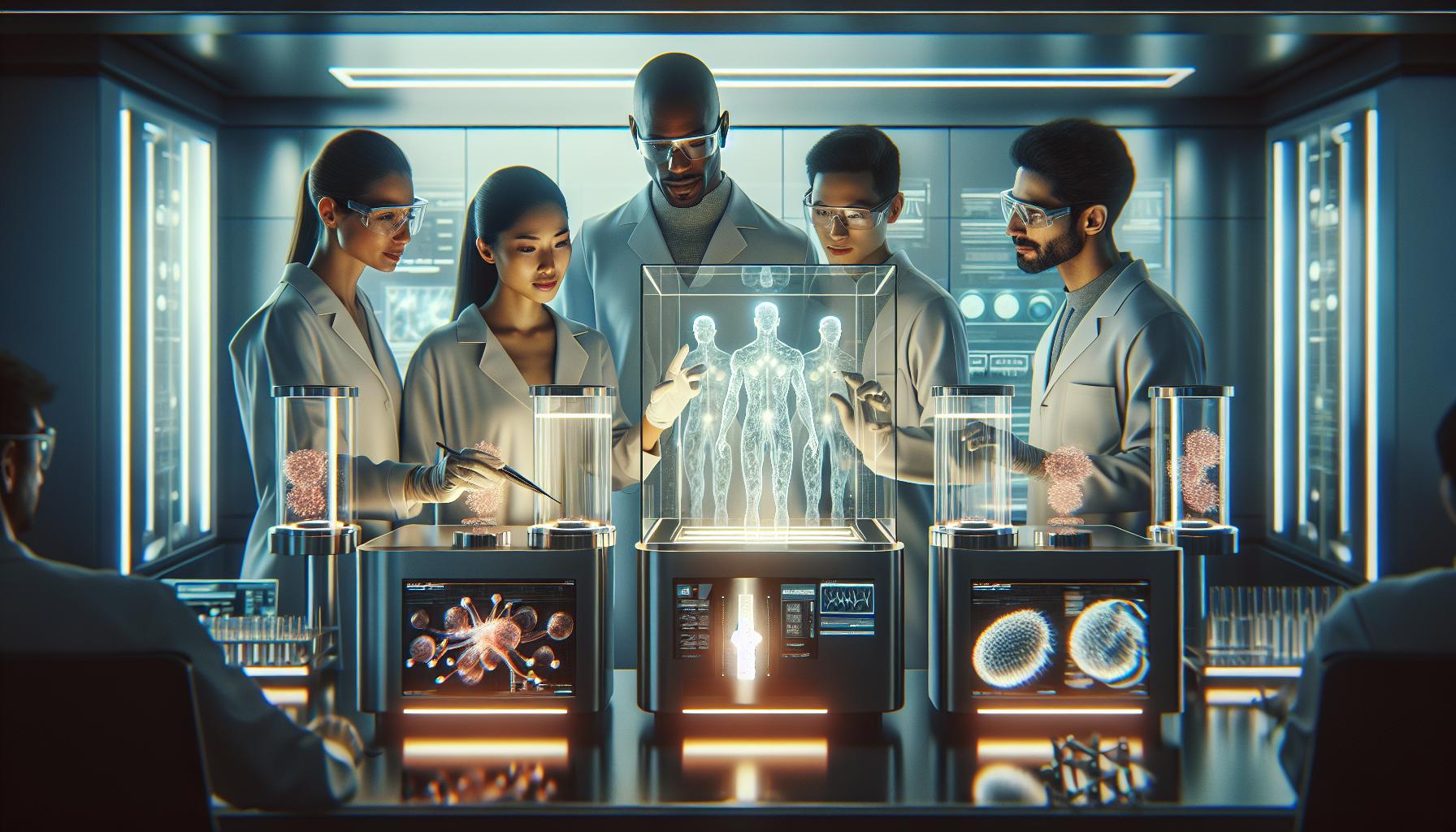
Innovative applications of cryogenic cooling in medicine are on the horizon, promising to revolutionize how we approach treatment across multiple domains. As research advances, new techniques and technologies are being developed that leverage the unique properties of ultra-low temperatures to enhance patient outcomes and expand therapeutic options. For instance, the integration of cryogenic techniques with advanced imaging technologies could lead to breakthroughs in diagnostics, offering clearer insights into conditions such as tumors and neurological disorders.
One exciting trend is the increasing use of cryogenics in regenerative medicine. By utilizing cryopreserved stem cells and tissues, clinicians can enhance recovery processes in injuries and degenerative diseases. Techniques such as cryopreservation allow for long-term storage of biological materials without degrading their integrity, enabling future applications in surgeries and transplant therapies. Furthermore, research is delving into how cryogenic treatments can influence gene expression and cellular behavior, potentially leading to innovative approaches in treating chronic diseases and conditions that currently lack effective interventions.
Cryogenic technology is also making strides in personalized medicine. With the ability to tailor treatments based on individual patient needs and responses, cryogenics can play a crucial role in optimizing therapies for various conditions, including cancer and autoimmune diseases. By refining cryoablation techniques and developing targeted delivery systems, healthcare providers aim to improve the precision and outcomes of cryogenic interventions, minimizing damage to surrounding healthy tissues.
The intersection of cryogenics and artificial intelligence (AI) presents another future trend. AI algorithms can analyze vast amounts of medical data to identify patterns and predict patient responses to cryogenic treatments. This advancement could lead to the development of smart cryotherapy systems that adapt treatment plans in real-time, ensuring that patients receive the most effective care tailored to their unique physiological responses.
As these trends evolve, it remains essential for individuals interested in cryogenic treatments to engage with their healthcare providers to assess suitability and risks. The promise of cryogenics in medicine is expansive, but patient safety and informed decision-making must always guide innovative treatments.
Common Myths About Cryogenic Cooling Debunked
Despite its increasing presence in medical conversations, numerous myths surround cryogenic cooling, often leading to misconceptions about its applications, safety, and effectiveness. One prevalent myth posits that cryogenic treatment is simply a method to put patients “on ice” until a cure can be found. In reality, cryogenic techniques involve sophisticated processes that utilize extremely low temperatures not only to preserve biological materials but also to treat conditions through targeted applications that promote healing and recovery.
Another common misconception is that cryogenics is synonymous with freezing. Some individuals believe that any freezing process will yield the same results, without realizing that cryogenic cooling optimizes the freezing rate and follows specific protocols to minimize damage to cells and tissues. For instance, controlled cooling techniques are employed to yield better outcomes in cryopreservation and cryosurgery, reducing ice crystal formation that can harm cells.
Additionally, people often worry that cryogenic procedures are inherently dangerous or painful. While any medical procedure carries risks, cryogenic treatments are typically well-regulated and performed under strict guidelines. Patients may experience mild discomfort during administration, but the benefits-such as targeted cancer treatment through cryosurgery or the long-term preservation of fertility through cryopreservation-can be significant.
Finally, some falsely believe that the technology is too experimental and lacks substantial research. Conversely, the medical field has made considerable advancements in understanding cryogenic applications, supported by multiple studies backing its efficacy for various conditions. From cancer therapies to advancements in regenerative medicine, the successful implementation of cryogenic techniques continues to grow, presenting new potential for patient care.
In summary, debunking these myths about cryogenic cooling can empower patients to make informed choices regarding their treatment options. Consulting with qualified healthcare providers ensures that individuals receive accurate information tailored to their specific needs, allowing for a well-rounded understanding of the role of cryogenics in modern medicine.
How Cryogenic Cooling Compares to Alternative Treatments

Cryogenic cooling presents a fascinating alternative to many traditional medical treatments, especially in areas like cancer therapy, tissue preservation, and pain management. As it uses extremely low temperatures to achieve results, this technology works differently from standard procedures, often providing unique solutions where conventional methods may fall short. Understanding how cryogenic methods stack up against their alternatives can help patients make informed decisions.
One of the primary areas where cryogenic cooling excels is in cancer treatment, specifically in cryosurgery, which involves freezing cancerous cells to inhibit their growth and proliferation. Unlike traditional surgical methods that physically remove tumors, cryosurgery minimizes damage to surrounding healthy tissue and can be performed on patients who are not candidates for standard surgery. For instance, the precision of freezing techniques can greatly reduce recovery times and complications associated with conventional surgery, making it an appealing option for many patients.
Moreover, cryogenic techniques are particularly advantageous when it comes to tissue preservation for fertility treatments. Cryopreservation, or the freezing of eggs and sperm, offers women and men a chance to retain their reproductive options before undergoing procedures that may compromise fertility, such as chemotherapy. In contrast, traditional storage methods may have limitations in terms of viability over time. The optimized protocols used in cryogenic preservation minimize cellular damage, ultimately ensuring higher success rates in future reproductive attempts.
In terms of pain management, cryogenic methods like cryoablation involve applying extreme cold to specific nerve endings to interrupt pain signals. This targeted approach can yield faster and longer-lasting relief compared to pharmacological treatments, which often introduce systemic side effects or require ongoing management. Patients seeking alternatives to opioid medications may find cryogenic treatments to be a more effective and safer route.
In light of these comparisons, while cryogenic cooling offers compelling benefits, it’s essential to consider them alongside the potential drawbacks and risks. Not all patients will be suitable candidates for cryogenic treatments, and what works for one individual may not be appropriate for another. Therefore, engaging in a thorough discussion with healthcare professionals who can provide personalized guidance based on medical history, specific conditions, and overall health is crucial for making the best treatment choices.
Safety Considerations and Risks in Cryogenic Procedures

When considering cryogenic procedures, it’s important to understand not only their innovative benefits but also the potential safety concerns and risks involved. Cryogenic cooling utilizes extremely low temperatures to treat various medical conditions, which, while effective, can also complicate patient care if not managed correctly. Awareness of these risks can empower patients to make informed decisions and engage actively in discussions with their healthcare providers.
One significant risk associated with cryogenic treatments is frostbite. Direct exposure to cryogenic agents can result in tissue damage due to the extremely low temperatures, leading to the death of cells and potentially causing permanent scars or complications. Proper application techniques and protective measures are essential to minimize this risk and ensure patient safety. Additionally, the rapid changes in temperature when applying cryogenic methods can lead to thermal shock, which can adversely affect surrounding healthy tissues or organs. It is crucial to monitor the treatment area closely throughout the procedure to prevent such occurrences.
Moreover, patients may experience pain or discomfort immediately following cryogenic treatments, which can vary depending on the individual and the specifics of the procedure. While this pain is often transient, in some cases, it may require further management to ensure patient comfort. In the context of treatments like cryoablation for pain management, the assessment of pain levels and efficacy of the treatment must be ongoing, allowing for adjustments if necessary.
Lastly, underlying health conditions can complicate the use of cryogenic procedures. Patients with cardiovascular issues or certain metabolic disorders may not tolerate extreme cold as well as others. Therefore, a comprehensive medical evaluation before undergoing any cryogenic treatment is essential. Establishing open lines of communication with healthcare professionals can lead to discussions that cover all concerns, ensuring a tailored approach to safety that addresses individual health backgrounds and conditions.
Balancing the advances of cryogenic cooling with a clear understanding of safety considerations ensures that patients are well-informed participants in their care journey.
Real-Life Success Stories of Cryogenic Cooling

Cryogenic cooling has been a transformative technology in various medical applications, and numerous success stories highlight its profound impact on patient care. One notable example is in the realm of cryosurgery, where liquid nitrogen is used to treat skin cancers. Patients reported significant tumor reduction and, in some cases, complete remission following the treatment, which leverages the tissue-damaging effects of extreme cold to destroy abnormal cells. The minimally invasive nature of cryosurgery not only resulted in effective tumor management but also facilitated quicker recovery times, highlighting the tangible benefits patients have experienced.
In another instance, cryogenic cooling techniques have shown promise in tissue preservation. A patient undergoing complex organ transplant surgery benefited from cryopreservation methods that extended the viability of the organ before transplantation. This technique allows for longer transport distances and improved outcomes in transplant procedures, increasing the likelihood of successful surgeries and better overall patient survival rates. Families have expressed gratitude for these advancements, especially when they result in saving a loved one’s life or significantly enhancing their quality of life post-transplant.
Additionally, cryotherapy has gained traction as a treatment for musculoskeletal pain and inflammation. Athletes and individuals with chronic pain have turned to cryogenic methods for relief. Reports have surfaced of athletes returning to their sports more quickly following injuries due to accelerated recovery from cryotherapy sessions, which involve short bursts of extreme cold to reduce inflammation and enhance healing. Testimonials from users detail not only the effectiveness of cryogenic treatment but also how it has become a staple in their recovery protocols.
These compelling success stories emphasize the diverse applications and benefits of cryogenic cooling in modern medicine. Whether in cancer treatment, organ preservation, or pain management, cryogenic technologies have brought hope and healing to many. As with any medical treatment, it remains crucial for individuals to consult with healthcare professionals to determine the appropriateness of cryogenic procedures for their specific conditions, ensuring tailored and effective care.
Q&A
Q: What are the most common medical applications of cryogenic cooling?
A: Cryogenic cooling is commonly used in cancer treatment, tissue preservation, pain management, and enhancing diagnostic imaging. It helps freeze cancer cells during cryosurgery and preserves biological samples at extremely low temperatures. For more detailed insights, refer to the section on medical applications in the article.
Q: How does cryogenic cooling help in pain management?
A: Cryogenic cooling provides deep tissue cooling, effectively reducing pain sensations and inflammation. This technique is often utilized in treating conditions like arthritis and sports injuries. For more on this, see the section on pain management techniques in the article.
Q: Can cryogenic cooling be used to treat skin conditions?
A: Yes, cryogenic cooling is effective for treating various skin conditions, such as warts and skin tags, by applying extreme cold to destroy abnormal skin tissues. This method is detailed further in the article’s section on cryosurgery applications.
Q: What risks are associated with cryogenic cooling procedures?
A: Risks of cryogenic cooling include potential tissue damage, skin burns, and infection. Proper medical guidance and precautions must be taken to mitigate these risks. For more information on safety considerations, refer to the article’s relevant section.
Q: How does cryogenic cooling compare to other medical treatments?
A: Cryogenic cooling offers a less invasive alternative to surgical methods, minimizing recovery time and potential complications. It is particularly useful in tissue preservation and cancer treatments. For a comparative analysis, see the section discussing treatment alternatives in the article.
Q: What advancements are being made in cryogenic medical applications?
A: Current research focuses on improving cryogenic techniques to enhance precision in treatments and expand applications in regenerative medicine. For insights on future trends, check the future applications section of the article.
Q: Is cryogenic cooling safe for all patients?
A: While generally safe, cryogenic cooling might not be suitable for individuals with specific health conditions. A thorough medical evaluation is essential before undergoing such procedures. For more on safety considerations, please refer to the article.
Q: What role does cryogenic cooling play in preserving biological samples?
A: Cryogenic cooling allows for long-term storage of biological samples by preventing cellular activity, which is critical for research and medical applications. Detailed information on tissue preservation techniques can be found in the article.
Feel free to explore these topics further in the main article for comprehensive insights into cryogenic cooling’s medical applications!
The Way Forward
As we have explored, cryogenic cooling stands at the forefront of transformative medical applications, enhancing treatments and prolonging the effectiveness of vital biological materials. This technology not only highlights advancements in healthcare but also opens doors to innovative therapies and improved patient outcomes. For those eager to dive deeper, consider our articles on the role of cryogenics in surgical procedures and advanced cooling technologies in medicine, which further illuminate how these methods are revolutionizing healthcare practices.
Don’t miss the opportunity to stay informed! Subscribe to our newsletter for the latest insights on groundbreaking medical technologies and trends. Join our community of readers who are committed to understanding the evolving landscape of healthcare. If you have any questions or thoughts, we encourage you to leave a comment below-your engagement helps us shape future content that matters to you. Remember, the future of medicine is exciting; let’s discover it together!