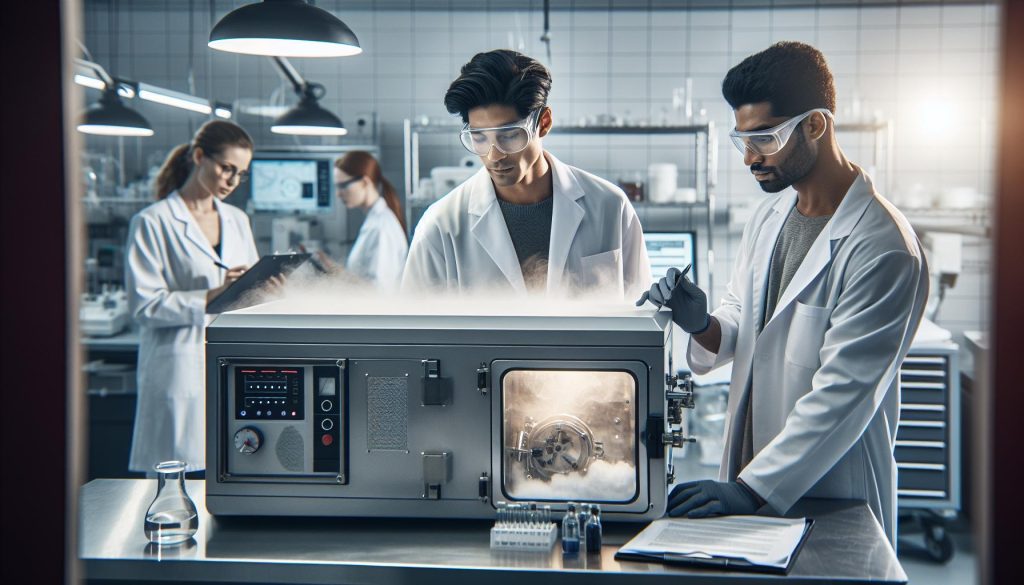
Cryogenic insulation plays a crucial role in the medical field, especially in protecting sensitive equipment that operates at extremely low temperatures. Did you know that maintaining optimal performance in such devices can significantly impact patient care and treatment outcomes? As medical technology evolves, so too does the need for effective thermal insulation solutions to safeguard equipment from the harsh conditions of cryogenic environments. Understanding the importance of these materials not only helps healthcare professionals ensure the reliability of medical devices but also enhances the safety and efficacy of treatments. This article will delve into the various types of cryogenic insulation, their applications in medical settings, and the benefits they provide in preserving the integrity of vital healthcare technologies. Get ready to explore how these innovative solutions are transforming the landscape of medical equipment protection.
What is Cryogenic Insulation in Medical Equipment?
Cryogenic insulation plays a pivotal role in the healthcare sector, particularly in the preservation and functioning of temperature-sensitive medical equipment. It allows devices to maintain extremely low temperatures essential for procedures such as cryopreservation of biological samples, storage of vaccines, and operation of certain imaging technologies. By minimizing heat transfer from the external environment, cryogenic insulation ensures these sensitive applications operate efficiently, preventing damage and degradation of samples, medications, and devices that require precise temperature control.
These insulation systems are engineered to withstand the demanding conditions of cryogenic environments, often utilizing materials that can handle drastic temperature fluctuations without losing integrity. The technology primarily consists of multi-layer insulation (MLI) assemblies, which utilize several thin layers of reflective materials that reduce heat transfer through radiation. Additionally, certain cryogenic insulators are made to absorb mechanical stresses without becoming rigid or fragile, which is crucial for the durable operation of medical devices used in challenging settings.
The real-world applications are noteworthy; for instance, cryogenic insulation is extensively used in the storage containers for vaccines and biologics, which must remain at specific low temperatures to ensure efficacy. Moreover, their importance extends into operating suites, where cryoablation devices utilize thermal technology to destroy targeted tissues, showcasing the dual role of cryogenic insulation in both preserving and employing cold temperatures effectively. Understanding the implications of cryogenic insulation emphasizes its significance not only in maintaining equipment functionality but also in enhancing patient safety and treatment outcomes in the medical field.
Key Benefits of Cryogenic Insulation for Medical Devices

In the rapidly evolving field of healthcare, cryogenic insulation serves as a cornerstone for preserving the efficacy of temperature-sensitive medical devices and samples. These specialized insulation systems not only ensure optimal functionality but also safeguard patients and practitioners alike. The significant benefits of cryogenic insulation for medical devices are manifold, underscoring its importance in contemporary medical practices.
One of the primary advantages of cryogenic insulation is its ability to maintain extremely low temperatures required for the preservation of biological materials, including vaccines and cellular samples. This capability is crucial, as even slight temperature variations can diminish the effectiveness of these vital substances, potentially impacting patient outcomes. The insulation significantly reduces heat transfer, ensuring that stored items remain stable and effective until they are needed.
Moreover, cryogenic insulation enhances the longevity of medical equipment by protecting it against harsh environmental conditions. With capabilities to withstand dramatic temperature fluctuations, this insulation ensures that delicate instruments function reliably without succumbing to stress or degradation. This durability not only minimizes the risk of equipment failure but also reduces maintenance costs associated with repairs and replacements.
Furthermore, the use of cryogenic insulation extends into various medical applications, including cryoablation, a procedure that leverages extreme cold to target and destroy abnormal tissues. Here, effective insulation plays a vital role in directing precise temperatures to the targeted areas while safeguarding surrounding tissues. This combination of safety and efficacy showcases the insulation’s dual function of preserving critical materials and enhancing treatment strategies.
Incorporating cryogenic insulation in medical settings not only improves operational efficiency but also significantly contributes to patient safety and treatment success. The ongoing advancements in insulation technology promise to broaden these benefits, potentially transforming how temperature-sensitive materials and devices are utilized across healthcare facilities. By embracing cryogenic insulation, healthcare providers can ensure that they remain at the forefront of patient care and medical innovation.
How Cryogenic Insulation Protects Temperature-Sensitive Equipment

Preserving the integrity of temperature-sensitive equipment in medical environments is paramount, and cryogenic insulation plays a crucial role in achieving this. By employing advanced materials designed to minimize heat transfer, cryogenic insulation creates an effective barrier against thermal fluctuations. Such insulation is particularly vital in situations where maintaining extremely low temperatures is required, such as the storage of vaccines, blood products, and cellular samples, where even minor temperature variations can compromise their efficacy and safety.
One of the key aspects of cryogenic insulation is its ability to reduce thermal conductivity. It ensures that the cold chain-the series of steps to maintain optimal temperatures-is preserved as equipment remains insulated from external temperature influences. This is achieved through the use of multilayer insulation systems, which significantly decrease heat exchange by trapping air and creating vacuum spaces that hinder conduction and convection. For example, cryostats and storage vessels designed for biological materials utilize this insulation to maintain temperatures necessary for immediate or future use.
Additionally, this insulation protects delicate instruments and devices from environmental stressors that could cause damage over time. The stability provided by cryogenic insulation not only prevents temperature-related degradation but also enhances the overall durability of the equipment. For medical professionals, this means reduced downtime and fewer equipment failures, allowing for more consistent patient care and enabling health facilities to operate efficiently without interruptions.
Incorporating cryogenic insulation into medical settings enhances patient safety by ensuring that critical materials remain viable and effective for their intended use. Moreover, as healthcare continues to advance and reliance on sensitive biological materials grows, the importance of reliable cryogenic insulation will only increase, underscoring its role as an essential element in modern medical practices.
Types of Cryogenic Insulation Used in Healthcare

Cryogenic insulation plays an essential role in healthcare, particularly for preserving temperature-sensitive materials and medical devices. Various types of cryogenic insulation are employed to ensure that critical components maintain precise low temperatures required for effective operation, storage, and transportation. Understanding these types empowers medical professionals to select the most suitable options for their specific needs.
Vacuum Insulation
One of the most common forms of cryogenic insulation is vacuum insulation. This method involves creating a vacuum between two layers of material, effectively reducing heat transfer significantly. The absence of air makes it extremely difficult for heat to escape or enter, maintaining low temperatures in applications such as cryogenic storage tanks used for preserving biological samples. This technique is particularly favored for its effectiveness, allowing equipment to maintain stability and performance over extended periods.
Multilayer Insulation (MLI)
Another prominent type is multilayer insulation (MLI), which consists of multiple layers of reflective materials, typically arranged to trap insulating gases between them. Each layer serves to reflect thermal radiation, minimizing heat transfer. MLI is notably used in portable cryogenic transport systems for medical supplies, as it is lightweight yet highly effective. This insulation type allows logistics teams to transport sensitive biological materials safely, ensuring they remain viable.
Foam Insulation
Foam insulation is also relevant in the medical field, particularly in applications where flexible and lightweight solutions are needed. Closed-cell foam, which contains tiny gas-filled cells, offers excellent thermal resistance and is often used in the construction of insulated containers for transporting pharmaceuticals and other sensitive materials. Its versatile nature allows foam insulation to conform to various shapes, offering effective coverage and protection against environmental fluctuations.
Composite Insulation Materials
Finally, advanced composite materials are emerging as innovative insulation solutions in healthcare. These materials combine different properties, such as lightweight with high thermal resistance, enhancing overall performance. For instance, some medical tech companies are developing fiber-reinforced composites that not only provide exceptional insulation but also improve the durability and reliability of medical equipment under extreme conditions.
By understanding these various types of cryogenic insulation, healthcare facilities can better protect vital medical equipment and enhance the efficacy of sensitive materials, ultimately improving patient outcomes and operational efficiency.
Understanding the Science Behind Cryogenic Insulation

Cryogenic insulation operates on principles rooted deeply in thermodynamics, focusing on minimizing heat transfer to maintain very low temperatures. This type of insulation is crucial in medical settings where precise temperature control is essential for preserving sensitive materials and ensuring the functionality of medical devices. The effectiveness of cryogenic insulation lies in its ability to significantly restrict the movement of heat, thereby allowing for safer storage and transport of items such as biological samples, pharmaceuticals, and advanced diagnostics equipment.
At its core, cryogenic insulation employs several scientific methods to achieve low thermal conductivity. One primary mechanism is the creation of a vacuum between layers of insulation material, significantly reducing heat transfer through conduction and convection. In practice, this vacuum acts as a barrier, where the lack of air diminishes the potential for heat to infiltrate or escape. Additionally, multilayer insulation (MLI) plays a critical role by using reflective layers that trap insulating gases, further reducing heat radiation within the system. This principle of thermal radiation control is vital for maintaining the low temperatures required for various medical applications.
Understanding the composition of these materials is equally important. Materials used in cryogenic insulation are engineered to withstand extremely low temperatures without becoming brittle or losing their insulating properties. For instance, composite materials that integrate multiple insulation technologies can provide enhanced thermal resistance while maintaining light weight. Techniques such as closed-cell foam insulation also lend flexibility and versatility, making them particularly useful for constructing transport containers for delicate pharmaceuticals.
In summary, the science behind cryogenic insulation is an amalgamation of thermodynamic principles and advanced materials engineering. These interconnected elements ensure that temperature-sensitive medical equipment remains stable and functional under varying conditions, highlighting the importance of selecting appropriate cryogenic insulation solutions for healthcare applications.
Applications of Cryogenic Insulation in Medical Settings

In today’s rapidly advancing medical landscape, maintaining stringent temperature control is crucial for the integrity of numerous applications, particularly involving biologics and pharmaceuticals. Cryogenic insulation serves as a foundational technology in various medical settings, enabling healthcare providers to safely store and transport sensitive materials without compromising their efficacy. This type of insulation is widely utilized in contexts ranging from tissue banking to pharmaceuticals and advanced imaging technologies, highlighting its versatility and importance in modern healthcare.
One of the most prevalent applications of cryogenic insulation is in the field of biobanking, where biological samples such as blood, tissues, and DNA are stored at ultra-low temperatures. Maintaining these low temperatures is vital for preserving the viability of cells and preventing degradation over time. Cryogenic storage systems equipped with advanced insulation technologies ensure that these materials remain stable and functional, mitigating risks associated with temperature fluctuations. Additionally, in the realm of pharmaceuticals, organ preservation for transplantation leverages cryogenic techniques to extend the life of organs outside the body, thereby improving surgical outcomes.
Moreover, cryogenic insulation is crucial in the production and transportation of vaccines, especially those requiring ultra-cold storage conditions. The Pfizer-BioNTech COVID-19 vaccine, for instance, necessitates storage at around -70°C. Using insulated containers during distribution is vital to ensure these products remain effective until they reach their destination. Hospitals and clinics that utilize cryogenic insulated transport systems can efficiently manage vaccine storage, maintaining regulatory compliance while safeguarding public health.
The applications of cryogenic insulation extend further into advanced imaging techniques, such as magnetic resonance imaging (MRI) systems that rely on superconducting magnets. These systems require specific temperatures to function optimally, and efficient thermal insulation prevents heat from interfering with the magnet’s performance. By minimizing heat transfer, cryogenic insulation plays a pivotal role in enhancing diagnostic accuracy and patient safety.
In summary, cryogenic insulation is a critical component in various medical applications, providing essential support for the storage and transportation of temperature-sensitive materials. It ensures the integrity of biological samples, enables effective vaccine distribution, and enhances the performance of advanced imaging technologies, ultimately contributing to better patient care and more successful medical outcomes.
Choosing the Right Cryogenic Insulation for Your Equipment

Choosing the appropriate cryogenic insulation for medical equipment is crucial for ensuring the integrity and efficacy of temperature-sensitive materials. With various options available, it’s essential to consider factors such as thermal performance, mechanical strength, and compatibility with the specific medical application. Selecting the right insulation can significantly reduce the risk of temperature fluctuations, which could compromise sensitive biological specimens or pharmaceuticals.
When assessing cryogenic insulation materials, thermal conductivity and temperature range are paramount. Materials like aerogels and multilayer insulation (MLI) offer exceptional thermal performance, effectively minimizing heat transfer at ultra-low temperatures. Healthcare providers should also evaluate the insulation’s ability to withstand mechanical stress without losing its insulating properties. For instance, rigid foam panels may be beneficial for stationary applications, whereas flexible materials may be better suited for portable or dynamic systems.
Furthermore, understanding the insulation’s response to cryogenic conditions is vital. Some materials can become brittle at very low temperatures, which can lead to structural failure. For environments dealing with excessive vibrations or physical impact, materials that maintain integrity under mechanical stress, such as Lignostone® cryogenic or Durolight, could be more effective.
Cost-effectiveness should also be considered, carefully balancing initial investment against long-term benefits like maintenance costs and energy savings. Collaborating with manufacturers or experts in cryogenic technology can ensure that the chosen material meets the necessary specifications for the particular medical use case. Tailoring these insulation systems not only optimizes performance but also enhances patient safety and equipment reliability, thereby supporting better healthcare outcomes.
Comparative Analysis: Cryogenic vs. Traditional Insulation Techniques

When it comes to protecting temperature-sensitive medical equipment, the choice between cryogenic insulation and traditional insulation methods can significantly impact performance and reliability. Understanding the distinctions between these two approaches is crucial for healthcare professionals, particularly in environments where maintaining precise thermal conditions is non-negotiable.
Cryogenic insulation is specifically designed for extreme temperature applications, typically operating at liquid nitrogen temperatures (-196°C) or lower. Its construction often utilizes advanced materials such as aerogels or multilayer insulation (MLI), which provide superior thermal resistance and minimize heat transfer. This exceptional thermal performance is essential for medical devices that must remain at consistently low temperatures to preserve biological samples or sensitive pharmaceuticals.
In contrast, traditional insulation techniques, such as fiberglass or foam, excel in a range of everyday applications but may fall short under cryogenic conditions. These materials are often less effective at minimizing thermal conductivity at ultra-low temperatures, which can lead to unwanted heat ingress. Additionally, traditional insulators may degrade or compromise their insulating properties when exposed to extreme cold, potentially causing significant fluctuations in temperature.
Moreover, the weight and bulk of traditional insulation can pose challenges in medical settings, particularly in mobile or portable applications. Cryogenic materials tend to offer a more compact profile, allowing for streamlined designs that enhance both functionality and space efficiency in medical devices.
Ultimately, the choice between cryogenic and traditional insulation should be guided by the specific requirements of the medical application. Factors such as the required temperature range, potential exposure to mechanical stress, and overall cost-effectiveness should all be evaluated to ensure optimal performance and reliability in critical healthcare environments. By making informed decisions, healthcare providers can enhance the safety and efficacy of their medical devices, thereby supporting better patient outcomes.
Maintenance Considerations for Cryogenic Insulated Equipment
Maintaining cryogenic insulated equipment requires a thorough understanding of the unique challenges presented by ultra-low temperature environments. Regular maintenance not only ensures the longevity of the equipment but also safeguards the integrity of sensitive biological materials, pharmaceuticals, and medical devices. Cryogenic insulation systems can be susceptible to mechanical stresses, temperature fluctuations, and environmental factors that could compromise their effectiveness over time. Therefore, establishing a robust maintenance routine is crucial.
Regular inspections are vital. Conduct thorough checks for any visible damage to the insulation material, looking for cracks, moisture accumulation, or signs of wear and tear. It’s essential to verify that the insulation remains intact and that there are no gaps that could allow heat transfer. Additionally, routine assessments of the equipment’s operational performance, including temperature consistency, can help identify issues before they escalate. Utilizing thermal imaging technology can facilitate the detection of thermal bridges or cold spots that may signify insulation failure.
Moreover, cleaning practices need to be adapted to the specific materials used in cryogenic systems. Avoid harsh chemicals that can damage insulation; instead, use recommended cleaning agents that do not compromise the integrity of the cryogenic insulation. When working with mobile or portable units, ensure that equipment is never exposed to mechanical stress during transport, which could lead to damage. Training staff on the proper handling of cryogenic equipment can significantly reduce the risk of accidental damage.
Lastly, it’s beneficial to keep abreast of advancements in cryogenic insulation technology and materials. Ongoing innovations may present opportunities to upgrade existing systems for better reliability and efficiency. Regularly consult with manufacturers or specialists to stay updated on best practices, materials, and innovative solutions that the industry offers.
By prioritizing comprehensive maintenance, healthcare facilities can ensure that their cryogenic insulated equipment functions optimally, thereby protecting valuable temperature-sensitive medical items and enhancing overall patient care.
Future Innovations in Cryogenic Insulation Technology
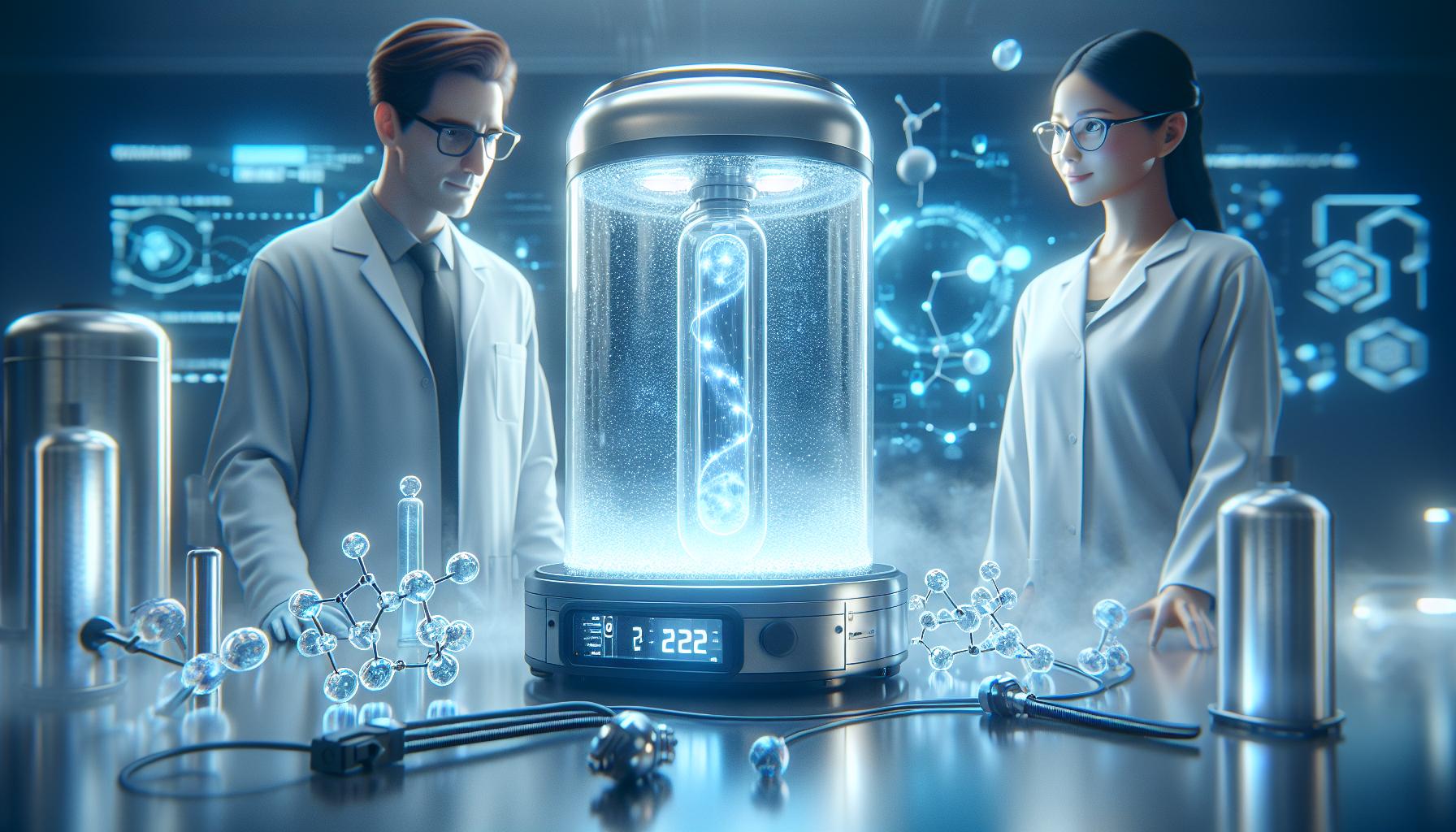
Innovations in cryogenic insulation technology are advancing rapidly, promising enhanced performance for medical equipment that relies on maintaining ultra-low temperatures. One key area of development is the use of advanced materials, such as aerogels, which are known for their incredibly low thermal conductivity and lightweight properties. These materials allow for thinner insulation layers, which not only save space in tight medical environments but also improve energy efficiency, reducing operational costs associated with cryogenic systems.
Additionally, researchers are exploring nanotechnology to create next-generation insulation materials. By manipulating materials at the molecular level, it is possible to design insulation that boasts superior thermal resistance while being more environmentally friendly. Integrating smart technologies, such as sensors that monitor temperature fluctuations in real-time, can also enhance safety and performance. These sensors can alert healthcare professionals to any potential failures in the insulation, allowing for prompt action to prevent temperature excursions that could jeopardize sensitive biological materials.
Another promising avenue is the development of biodegradable insulation materials, which can provide effective temperature control while minimizing environmental impact. As the healthcare sector increasingly prioritizes sustainability, these innovations align with a broader push towards greener practices in medical facilities.
As healthcare providers look towards the future, collaborations with material scientists and engineers will be essential for integrating these innovative insulation technologies into practical applications. Staying informed about these advancements allows medical organizations to make proactive decisions about upgrading their equipment, ensuring not only compliance with the latest standards but also the protection and efficacy of their temperature-sensitive medical items.
Real-World Case Studies: Success with Cryogenic Insulation

In the realm of medical technology, the significance of cryogenic insulation cannot be overstated, especially when it comes to the safe storage and transport of biological materials. A notable case is the application of cryogenic insulation in biobanking facilities, where human tissues, cells, and other biological samples are preserved at ultra-low temperatures to maintain their viability for research and therapeutic purposes. Facilities employing state-of-the-art cryogenic insulation have reported substantial improvements in temperature stability, leading to an enhanced consistency in sample quality over extended periods.
An illustrative example is a prominent biobank that transitioned from traditional insulation methods to advanced cryogenic insulation. By utilizing materials with much lower thermal conductivity, this facility managed not only to reduce energy costs significantly but also to achieve a nearly 100% efficiency in maintaining the desired operational temperatures. With such advancements, the biobank could better safeguard its precious samples against thermal fluctuations-a critical factor, as even slight deviations in temperature can compromise sample integrity.
Furthermore, various hospitals and research institutions have reported successes utilizing cryogenic insulation in surgical settings, particularly during transplantation procedures. For instance, an organ transplant facility integrated cryogenic-insulated transport containers for delivering harvested organs. Cases documented show that these containers maintained optimal temperature more effectively than traditional solutions, thereby extending the safe transit time and increasing the chances of successful transplant outcomes. The application of cryogenic insulation allows surgeons to make well-timed incisions and plan for optimal transplant conditions, ultimately benefiting the patient’s prognosis.
In conclusion, these real-world implementations highlight not only the practicality of cryogenic insulation in medical contexts but also its vital role in ensuring that temperature-sensitive equipment and materials retain their efficacy. As the healthcare sector continues its journey toward innovation, the lessons learned from these successful applications will inform future developments and refine the standards on which medical practices rely.
Frequently Asked Questions
Q: What is cryogenic insulation and how is it used in medical equipment?
A: Cryogenic insulation refers to materials and technologies designed to maintain extremely low temperatures, crucial in medical applications like preserving biological samples and storing pharmaceuticals. This insulation minimizes heat transfer, ensuring temperature-sensitive equipment operates effectively and safely.
Q: Why is cryogenic insulation important for healthcare applications?
A: Cryogenic insulation is vital in healthcare as it protects temperature-sensitive items, such as vaccines and biological specimens, from temperature fluctuations. This ensures product efficacy, safety during transport, and extends the shelf life of critical medical supplies.
Q: How does cryogenic insulation work in medical devices?
A: Cryogenic insulation works by using materials that create a barrier to heat transfer, preserving low temperatures in medical devices. These materials can include multi-layer vacuum insulation and specialized foam that resist thermal conduction and convection.
Q: What are the best materials for cryogenic insulation in medical settings?
A: Common materials include multilayer vacuum insulation systems, aerogel, and advanced polymer composites. These materials provide excellent thermal resistance and are often lightweight, making them ideal for medical equipment that requires cryogenic protection.
Q: When should healthcare professionals consider using cryogenic insulation?
A: Healthcare professionals should consider cryogenic insulation when dealing with sensitive materials that require stable low-temperature storage or transportation, such as vaccines, blood products, and biological samples.
Q: Where can cryogenic insulation be applied in medical settings?
A: Cryogenic insulation can be applied in various medical settings, including laboratories, hospitals, and transportation units for vaccines and tissue samples. It is also crucial in mobile medical units ensuring safe transport of temperature-sensitive items.
Q: What challenges are associated with using cryogenic insulation in medical equipment?
A: Challenges include material cost, potential damages during application, and the need for specialized knowledge to maintain and monitor insulation integrity. Proper training and maintenance are essential to maximize efficiency and safety in medical settings.
Q: How do cryogenic insulation systems compare to traditional insulation methods in healthcare?
A: Compared to traditional insulation, cryogenic systems provide superior thermal protection at ultra-low temperatures, reduced weight, and greater reliability in maintaining critical temperatures for medical applications. This advantage is crucial for safeguarding sensitive medical materials.
Closing Remarks
Understanding cryogenic insulation and its critical role in medical equipment protection is vital for ensuring optimal performance and safety in healthcare applications. This advanced technology not only maintains temperature stability but also enhances the longevity of essential medical devices. Don’t wait until it’s too late-investing in high-quality cryogenic insulation today could make all the difference for critical medical operations!
Explore our related articles on selecting the right insulation materials and the advancements in thermal control solutions. For those ready to enhance their medical equipment’s reliability, consider a consultation with our experts or check out our extensive product range tailored for cryogenic applications. Your medical technology deserves the best protection. Join the conversation by sharing your thoughts in the comments and stay updated by subscribing to our newsletter for the latest in medical device innovation. Remember, safeguarding your medical equipment starts with understanding and implementing effective cryogenic solutions!