The transportation of cryogenic materials, such as liquefied natural gas or industrial gases, presents unique challenges that demand specialized tanker designs. These materials need to be maintained at extremely low temperatures to prevent them from vaporizing, which not only affects their feasibility for transport but also raises safety concerns. Understanding which tankers are best suited for safely carrying cryogenic materials can be vital for industries relying on these substances, influencing everything from supply chain efficiency to compliance with safety regulations. As we dive into this topic, we’ll explore the specific features that make certain tankers more adept at handling cryogenic cargo, ensuring you are informed about the best practices in this critical area of logistics.
Understanding Cryogenic Materials and Their Transport Needs
Cryogenic materials, which exist at extremely low temperatures-typically below -150°C (-238°F)-have unique properties requiring specialized handling and transport methods. Fluids like liquid nitrogen, helium, and hydrogen are among the most common cryogens used in various industries, including healthcare, aerospace, and manufacturing. Understanding these materials is crucial because their transport demands careful consideration of temperature control, pressure management, and safety precautions to prevent hazards that can arise from extreme cold and high volatility.
When transporting cryogenic materials, it is essential to recognize the physical and chemical properties specific to these substances. For instance, many cryogens have low boiling points, meaning they can rapidly vaporize and expand if not adequately contained. This expansion can create significant pressure, which necessitates tanks designed to withstand high-stress environments. Moreover, insulation plays a critical role in maintaining low temperatures, requiring sophisticated designs featuring multi-layer insulation or vacuum-sealed containers to minimize heat transfer from the environment.
Another important consideration is the transport method itself. Tankers must be equipped with advanced monitoring systems to track temperature and pressure in real time, ensuring that any deviations can be addressed promptly. Safety features such as pressure relief valves and emergency shut-off mechanisms are vital to prevent accidents during transport. Overall, a thorough understanding of cryogenic materials and their behavior under various conditions is essential for ensuring safe and effective transportation.
Key Features of Tankers for Cryogenic Transport
The transport of cryogenic materials demands an intricate understanding of both the fluids themselves and the technology employed in the tankers designed for their transport. One critical feature of tankers for cryogenic transport is their insulation system. Proper insulation is paramount; most tankers utilize advanced multi-layer vacuum insulation to minimize heat transfer, ensuring that the extremely low temperatures required to keep cryogenic liquids in a liquid state are maintained throughout transportation. This is essential for preventing unwanted vaporization and maintaining the integrity of the cargo.
Another key feature is the design and construction of the tanks themselves. Cryogenic tankers are built from materials that can withstand both the low temperatures of cryogenic liquids and the high pressures that develop during transport. The use of high-strength, low-temperature steels is common, providing the necessary durability while preventing brittleness. Additionally, these tanks are often equipped with state-of-the-art pressure relief valves that can automatically vent gas to avoid safety hazards caused by overpressure, ensuring a safe and stable environment for cryogenic materials.
Tankers also incorporate sophisticated monitoring systems that continuously track temperature and pressure. These systems are vital for real-time data reporting and enable swift actions if there are any deviations from the required parameters. Innovative technologies, such as IoT sensors and automated control systems, enhance both safety and efficiency, allowing for immediate alerts to crew members about any abnormalities during transit.
Furthermore, safety features are integrated throughout the design of cryogenic tankers. Emergency shut-off mechanisms, robust containment area designs, and redundant safety systems all work together to ensure maximum protection. Cumulatively, these features not only support the safe and efficient transport of cryogenic materials but also align with industry regulations and standards aimed at safeguarding human life and preventing environmental hazards during the transport process.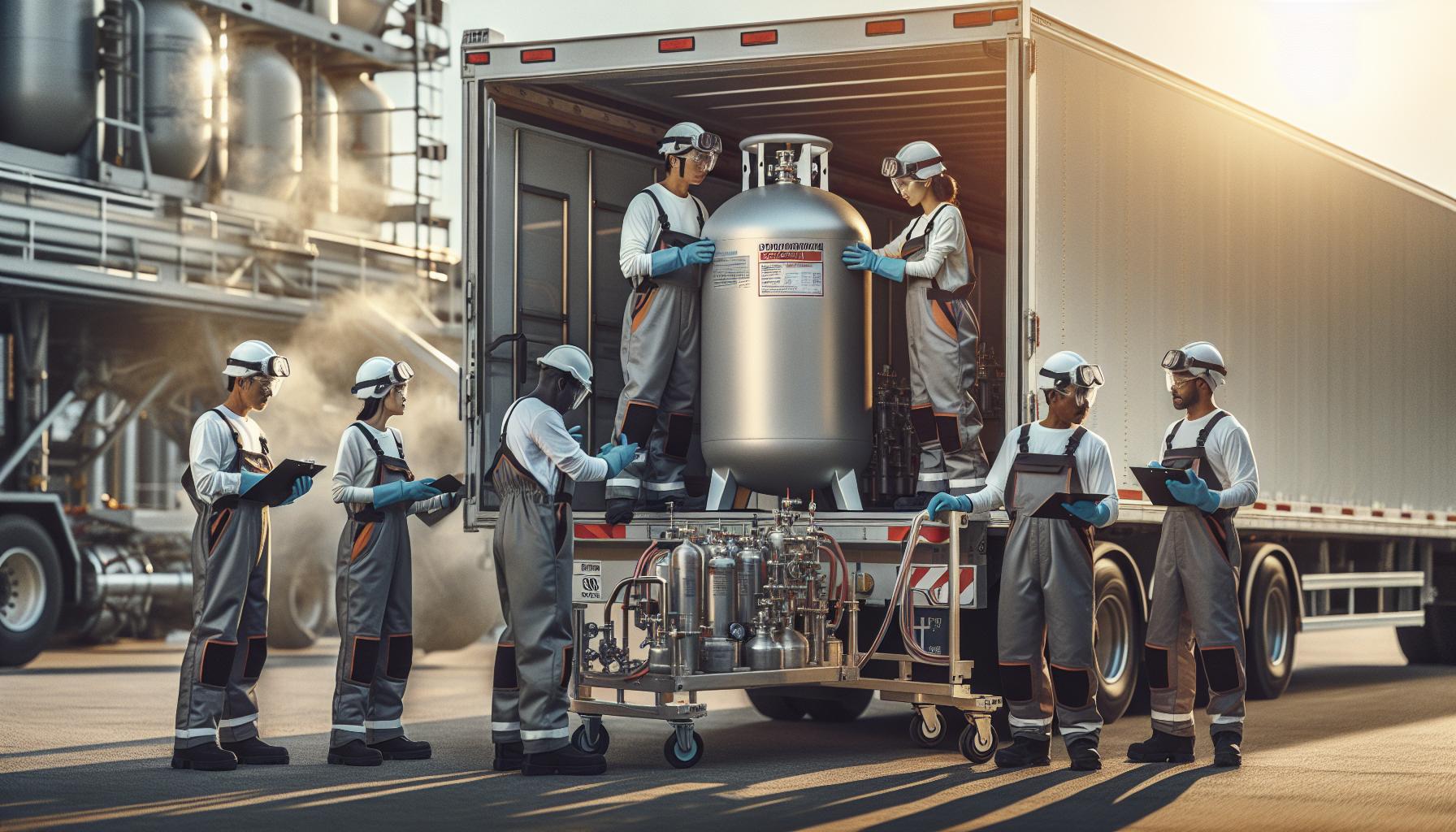
Safety Standards in Cryogenic Material Transportation
Transporting cryogenic materials securely involves adhering to stringent safety standards that protect both the cargo and the environment. Given the extreme conditions under which cryogenic liquids operate, such as temperatures reaching below -150°C, these safety measures are not merely recommendations but essential protocols that must be followed meticulously.
Implementing effective safety standards begins with proper training for personnel involved in cryogenic transportation. It is crucial that employees understand the specific properties of cryogenic materials, their potential hazards, and the safety precautions necessary to manage those risks. Regular drills and refresher courses help ensure that all team members are adept at handling emergencies swiftly and safely.
Furthermore, the design and construction of cryogenic tankers are governed by strict regulations. Manufacturers must comply with international and regional standards set by organizations like the American Society of Mechanical Engineers (ASME) and the Compressed Gas Association (CGA). These standards dictate the materials used, testing procedures, and safety features such as:
- Pressure relief devices: Essential for preventing tank overpressure that could lead to catastrophic failures.
- Vent systems: Designed to safely release gases without risking exposure to the public or the environment.
- Insulation integrity: Ensures that the cryogenic temperature is maintained effectively, reducing the chances of vaporization during transport.
In addition to ensuring compliance, many operators utilize advanced monitoring systems to continuously track the temperature and pressure of the cargo. They often employ real-time data reporting technologies, such as IoT sensors, which alert operators of any deviations from safety parameters. This layer of vigilance allows for prompt responses to potential issues before they escalate into significant safety threats.
Ultimately, safety in cryogenic material transportation goes beyond regulatory compliance; it embodies a culture of safety that permeates every level of operation. By integrating robust training, standards adherence, and real-time monitoring, the risks associated with transporting these hazardous materials can be significantly minimized, ensuring both human and environmental safety throughout the logistical process.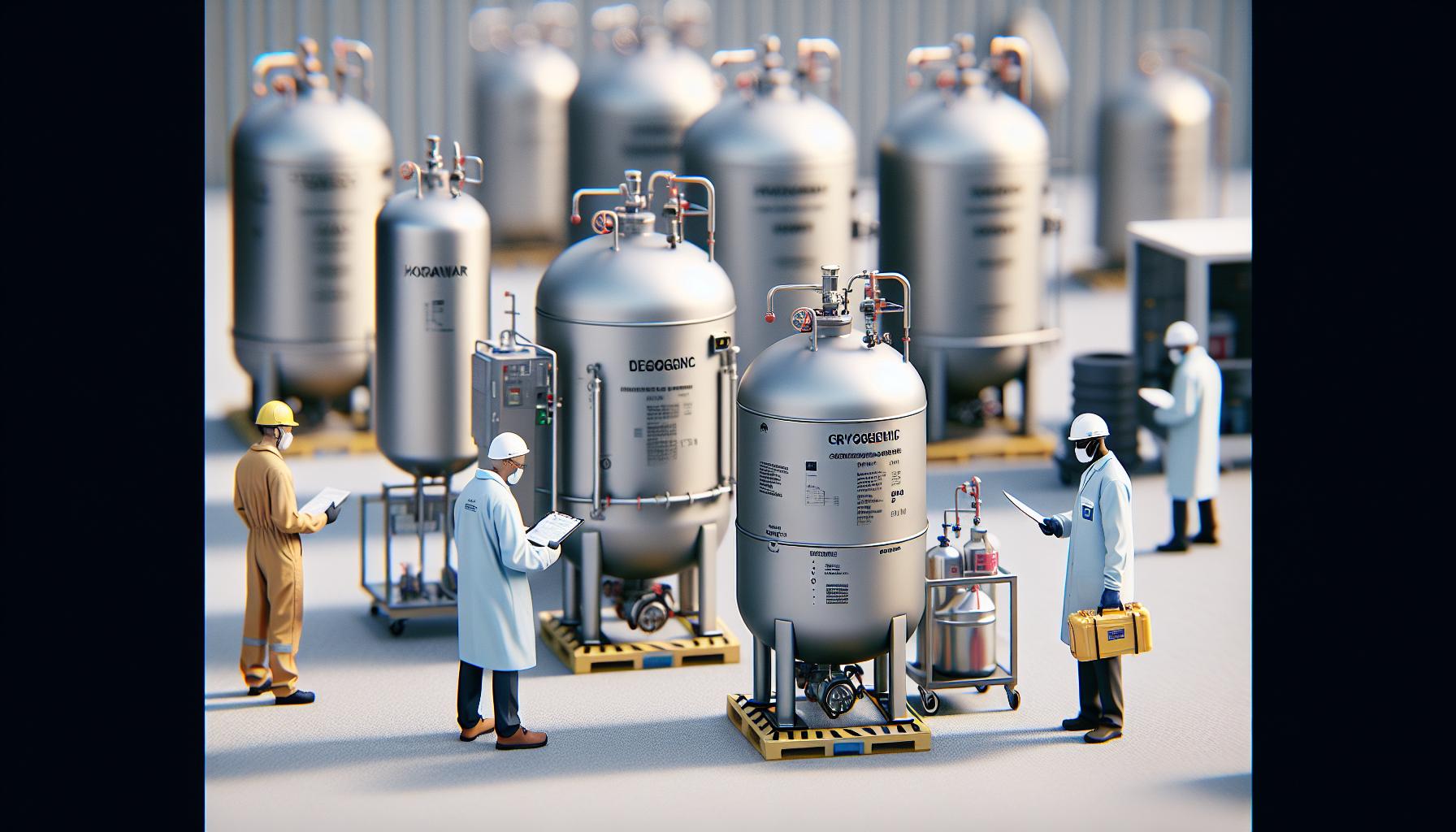
Types of Tanks Used for Cryogenic Liquids
The reliable transportation of cryogenic materials hinges significantly on the types of tanks employed to hold these highly sensitive liquids. To ensure safety and efficiency throughout the transport process, these tanks are engineered to maintain consistently low temperatures and prevent the risk of potential leaks or accidents. Different types of tanks are utilized based on factors such as the type of cryogenic liquid being transported and the specific requirements of the logistics involved.
One prominent tank design is the cryogenic ISO container, which conforms to standard shipping dimensions, making it versatile for various transport methods, including sea and land. These containers come equipped with advanced insulation systems that minimize heat transfer and are often constructed from materials like stainless steel to withstand the corrosive nature of some cryogenic liquids. This design not only facilitates storage but also enhances safety features such as proper venting systems to manage pressure.
Another common tank is the dewar flask, widely used in laboratory settings and small-scale transport. Dewars are designed for long-term storage of cryogenic gases like liquid nitrogen or helium. Their vacuum-insulated design prevents heat penetration, making them ideal for maintaining the low temperatures necessary for certain applications. Dewars are usually portable and come in various sizes, catering to different quantities of liquid gases.
Additionally, transportation tankers specifically designed for road and rail logistics are also prevalent. These tankers are often larger and bulkier, designed to hold significant volumes of liquid helium, nitrogen, or oxygen. They frequently include specialized features like multilayer insulation and robust pressure relief systems to enhance safety during transit. Operators must adhere to stringent safety standards and regulations, ensuring that these tankers maintain the structural integrity and functional performance required for cryogenic transportation.
In summary, the selection of tanks for transporting cryogenic liquids involves careful consideration of material properties, insulation effectiveness, and safety features to mitigate risks. The adoption of containers like ISO tanks, dewar flasks, and specialized transportation tankers provides a solid foundation for safely managing cryogenic materials while responding to the unique challenges presented by their extremely low temperatures.
Innovative Technologies in Cryogenic Tankers
Innovative advancements in cryogenic tanker technologies are reshaping the way these sensitive materials are transported, significantly enhancing safety, efficiency, and reliability. One of the most notable trends is the integration of smart monitoring systems into cryogenic tankers. These systems utilize sensors and IoT technology to provide real-time data on temperature, pressure, and fill levels. With continuous monitoring, operators can swiftly identify anomalies and address potential issues before they escalate, thereby improving safety and operational efficiency.
Another exciting development is the use of advanced insulation materials that further minimize heat transfer while ensuring the structural integrity of the tankers. Innovations such as vacuum insulation panels and aerogel, known for their superior thermal properties, enable cryogenic tankers to maintain required temperatures over extended periods, reducing boil-off losses and enhancing fuel efficiency. These materials not only contribute to operational effectiveness but also support environmental sustainability by decreasing the carbon footprint associated with cryogenic transportation.
In addition to insulation improvements, modular tanker designs are gaining traction. These allow for customization based on the specific types of cryogenic materials being transported and can be assembled or disassembled as needed. This flexibility not only maximizes efficiency but can also reduce transportation costs and increase adaptability to varying logistical requirements. Furthermore, enhanced safety features, such as automated pressure relief valves and advanced leak detection systems, are making tankers safer and more compliant with stringent regulatory standards, thus fostering trust among users and stakeholders.
These innovations represent a significant leap forward in the cryogenic transport industry, addressing prevalent challenges while meeting the increasing demand for high-performance and safe transportation solutions. By embracing cutting-edge technologies, the sector can ensure the reliable movement of cryogenic materials, safeguarding materials and enhancing operational sustainability.
Comparative Analysis of Leading Cryogenic Tanker Brands
The cryogenic tanker market is becoming increasingly competitive as companies strive to offer safer, more efficient solutions for transporting liquefied gases such as LNG, oxygen, and nitrogen. Choosing the right tanker brand can significantly impact operational efficiency and safety, making a comparative analysis vital for stakeholders in this field. Several leading brands stand out for their innovative designs, advanced technology integration, and commitment to safety standards.
One prominent brand is Cryogenics International, recognized for its cutting-edge cryogenic tankers that utilize advanced insulation technology to minimize heat transfer and reduce boil-off losses. Their tankers are equipped with automated pressure relief systems and real-time monitoring capabilities to ensure safe transport under varying conditions. Moreover, Cryogenics International emphasizes modular design, allowing clients to customize tankers based on specific transportation needs, thereby enhancing versatility and efficiency.
Another key player, Chart Industries, has also carved a niche with their proprietary vacuum insulation systems that guarantee optimal temperature maintenance. Chart’s tankers are known for their durability and resilience, ensuring long-term performance under demanding operational environments. They provide a wide range of cryogenic solutions, from small portable tanks to large-scale transport vessels, catering to diverse client requirements while maintaining high safety standards.
Linde combines technology and engineering excellence in its cryogenic transportation solutions, focusing on sustainable practices. Their tankers often feature high-efficiency insulation and integrated safety features such as advanced leak detection systems. Linde is also at the forefront of research in developing environmentally friendly cryogenic transport methods, making them a preferred choice for companies looking to reduce their carbon footprint.
In assessing these brands, it’s essential to consider factors like tank design, insulation efficiency, safety features, and customization options. Conducting thorough research and potentially visiting operational facilities can provide deeper insights into each company’s capabilities. Here’s a brief comparison of leading brands:
| Brand | Key Features | Safety Innovations | Customization Options |
|---|---|---|---|
| Cryogenics International | Advanced insulation, real-time monitoring | Automated pressure relief systems | Modular design for various needs |
| Chart Industries | Proprietary vacuum insulation | Durability and resilience | Wide range of transport sizes |
| Linde | High-efficiency insulation, eco-friendly focus | Advanced leak detection | Customizable transport solutions |
Ultimately, selecting the right cryogenic tanker brand involves evaluating not just the technical specifications, but also the company’s commitment to safety and sustainability. Engaging with industry experts, reading user reviews, and understanding the specific needs of your operations can help make an informed decision that aligns with safety and efficiency goals in cryogenic material transportation.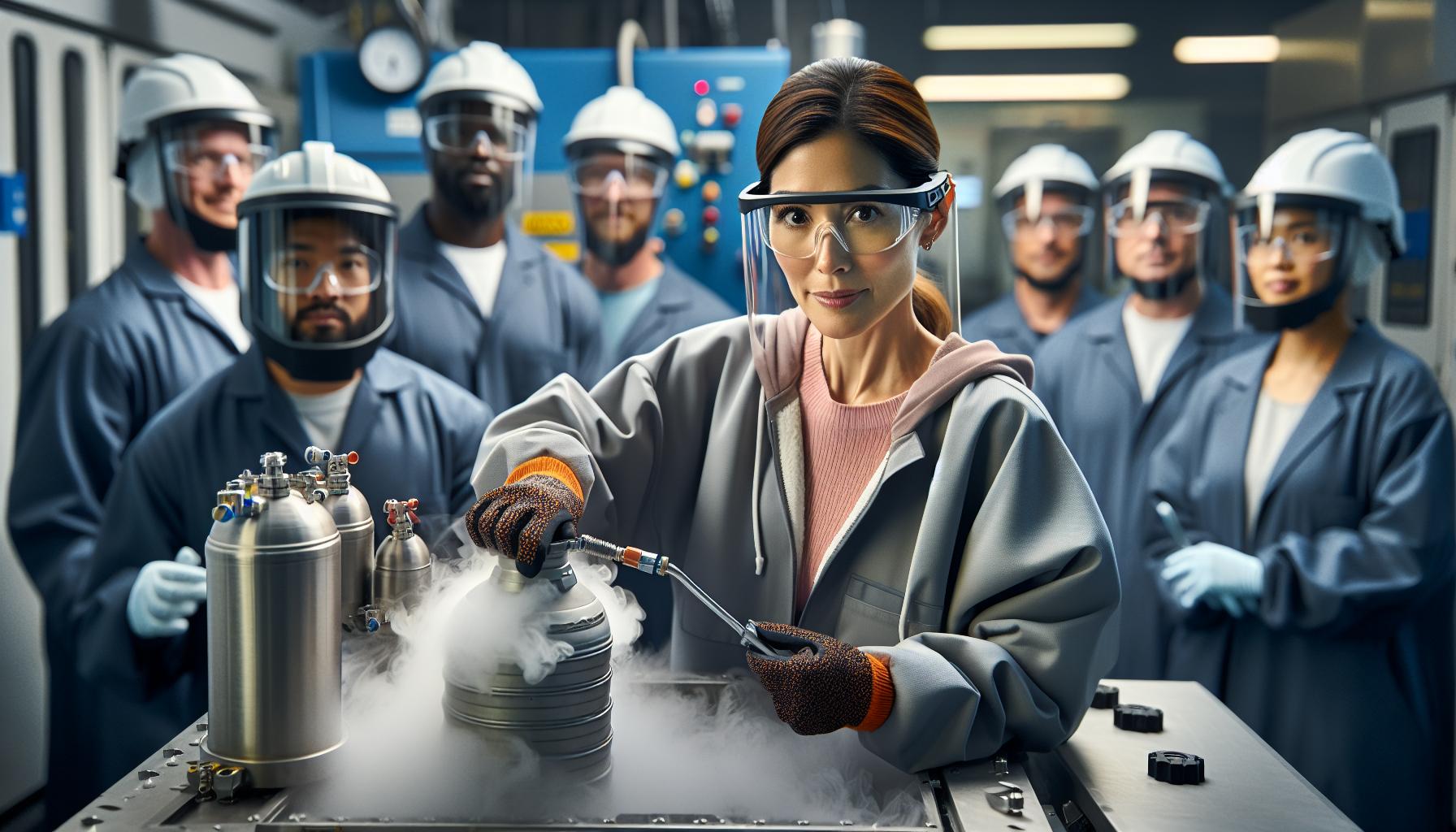
Best Practices for Cryogenic Material Handling
Handling cryogenic materials requires a meticulous approach to ensure safety and efficiency throughout the transport process. The extremely low temperatures associated with these substances pose unique hazards, making it essential for industries to adopt best practices that safeguard both personnel and cargo. Whether dealing with liquefied natural gas (LNG), oxygen, or nitrogen, a strong emphasis on safety protocols can significantly mitigate risks.
One vital aspect of cryogenic material handling is maintaining the integrity of storage and transport equipment. Regular inspections of tanks and pipelines are essential to identify potential leaks or signs of wear that could lead to catastrophic failures. Furthermore, utilizing advanced monitoring systems can provide real-time data on temperature and pressure levels, allowing for immediate adjustments to prevent dangerous fluctuations. Training personnel to recognize these indicators plays a crucial role in effective risk management.
Another critical practice involves implementing appropriate personal protective equipment (PPE) when working with cryogenic substances. Workers should be equipped with insulated gloves, faceshields, and goggles to protect against splashes and vapor exposure, which can cause severe frostbite or hypothermia. Establishing clear operational procedures, such as using dedicated tools designed for cryogenic use and adhering to safe transfer protocols, helps minimize accidents during loading, unloading, and transport.
Moreover, communication is key to successful cryogenic material handling. Enforcing robust safety regulations and conducting periodic training sessions can foster a culture of awareness and vigilance among all personnel involved. For instance, mock emergency drills can help prepare teams to react swiftly and effectively in case of an incident, ensuring that everyone knows their roles and responsibilities should a hazardous situation arise.
Adhering to these best practices not only ensures compliance with safety standards but also enhances operational efficiency. As the cryogenic transport sector continues to evolve, companies that prioritize safety and proper handling will be equipped to meet the increasing demands of the industry while minimizing risks.
Challenges in Cryogenic Transportation and Solutions
Handling cryogenic materials can be fraught with challenges that demand specialized knowledge and techniques. One of the foremost issues is the risk of thermal stress and structural failures in tanks due to the extreme cold. Materials exposed to cryogenic temperatures can become brittle, leading to cracks or leaks that compromise safety. To mitigate these risks, tankers must be built from materials specifically designed to endure low-temperature applications, such as high-strength alloys or specific composites that maintain flexibility and structural integrity under extreme conditions.
Another significant challenge in cryogenic transportation is the management of boil-off gas (BOG). As cryogenic liquids are transported, heat can inadvertently enter the system, causing some liquid to vaporize. This not only results in a loss of product but can also increase pressure within the storage tank, presenting an explosion hazard. Implementing advanced insulation techniques and utilizing BOG management systems can provide effective solutions. These systems typically involve the use of pressure relief valves and vapor return lines that manage gas safely, ensuring that operations remain within safe pressure limits.
Safety protocols are critically important in addressing the human factors associated with cryogenic transport. Workers face risks of severe frostbite or asphyxiation from cryogenic vapors. Comprehensive training programs are essential to educate personnel on the handling of cryogenic materials, including the use of appropriate personal protective equipment (PPE) such as insulated gloves, face shields, and specialized suits. Regular safety drills and refresher courses can reinforce safety measures and prepare teams to react effectively in emergencies.
Ultimately, addressing the challenges presented in cryogenic transportation requires not only the use of robust and innovative technologies but also a culture of safety and continuous improvement. This dual approach ensures that the risks associated with cryogenic materials are managed effectively while maintaining operational efficiency. By prioritizing both the integrity of transport systems and the safety of personnel, the cryogenic transport industry can navigate these complex challenges successfully.
Real-World Case Studies: Safe Transport of Cryogenic Materials
In the realm of cryogenic material transport, every successful operation is underpinned by rigorous planning and adherence to safety protocols. One notable case study involved the transport of liquid nitrogen from a production facility in Texas to a medical and research facility in California. The tankers used were meticulously designed with advanced insulation technology to minimize heat ingress, thereby reducing the loss due to boil-off gas (BOG). The operational team employed a range of state-of-the-art monitoring systems that provided real-time data on pressure and temperature fluctuations, ensuring that the contents remained within safe operational parameters throughout the journey.
Another compelling example comes from the aerospace sector, where companies have faced the challenges of transporting liquid helium, a critical resource for superconducting magnets used in various applications, including MRI machines and particle accelerators. A leading aerospace supplier invested in custom cryogenic tankers that featured enhanced structural materials capable of withstanding the inherent risks associated with transporting such cold liquids. They implemented redundancy systems, which included additional pressure relief valves and sophisticated vapor recovery systems. This proactive approach not only safeguarded against excess pressure build-up but also ensured that the helium was delivered efficiently and without incident.
A recent project involving a multinational corporation showcased the importance of trained personnel in maintaining safety during cryogenic material transport. This operation required the movement of large quantities of liquid oxygen for a specialized medical application. The company conducted extensive training sessions for its staff, focusing on the specific hazards of liquid oxygen and on the usage of protective equipment. In addition to civilian staff, emergency response protocols were established in collaboration with local fire departments to provide quick assistance in the unlikely event of an accident.
Together, these case studies exemplify the multifaceted strategies employed in the safe transport of cryogenic materials. They highlight the critical role of innovative tanker design, effective monitoring technologies, rigorous training programs, and the importance of a coordinated response plan to mitigate risks associated with handling and transporting cryogenic substances. These real-world examples not only provide insights into best practices but also reinforce the need for continuous improvement in safety standards and technologies within the industry.
Future Trends in Cryogenic Transport Solutions
The evolving landscape of cryogenic transport solutions is characterized by a commitment to efficiency, safety, and sustainability. As industries increasingly utilize cryogenic materials for applications ranging from medical technologies to aerospace, innovative approaches are being developed to enhance the transport of these sensitive substances. The future promises not only advancements in tanker technology but also a greater integration of smart systems and eco-friendly practices.
One significant trend is the adoption of advanced insulation materials and techniques aimed at minimizing heat transfer during transit. Companies are investing in aerogel and vacuum-insulated designs that significantly reduce boil-off losses, ensuring that the cryogenic liquids remain at optimal temperatures. Moreover, smart monitoring systems, equipped with IoT technology, enable real-time tracking of temperature, pressure, and other critical factors. This digital transformation allows for immediate data analysis and response to any irregularities, thereby enhancing both safety and efficiency during transportation.
In parallel, sustainability is becoming a pivotal focus within the industry. The introduction of tankers that utilize renewable energy sources, such as solar panels for auxiliary power, reflects a growing environmental consciousness. Additionally, there is a push for implementing circular economy principles in the design and recycling of cryogenic transport tanks. Manufacturers are exploring materials that are not only durable and lightweight but also recyclable, contributing to reduced waste and a lower carbon footprint.
Furthermore, regulatory bodies are beginning to emphasize the necessity for higher safety standards and certifications for cryogenic transport. These evolving regulations will drive innovations and encourage companies to adopt best practices, ensuring that cryogenic materials are transported safely and responsibly. As the industry adheres to these rigorous standards, it creates an environment conducive to collaboration among stakeholders seeking to improve protocols and share insights for enhanced safety.
In summary, the future of cryogenic transport solutions is poised for transformative change, embracing cutting-edge technologies and sustainable practices aimed at addressing the complexities and challenges of transporting cryogenic materials. These trends will not only bolster operational efficiency but also support industry-wide efforts toward safer and more environmentally friendly transportation methods.
Expert Opinions: Insights from Industry Leaders
Industry leaders emphasize that the safe transportation of cryogenic materials hinges on a combination of cutting-edge technology, rigorous safety standards, and thorough training for personnel. One notable expert in cryogenic logistics highlighted that the design of cryogenic tankers plays a critical role in minimizing risks. According to them, advanced insulation techniques, such as vacuum insulation and composite materials, significantly enhance the tankers’ ability to maintain low temperatures while reducing boil-off losses, thus ensuring that cryogenic liquids remain in optimal condition throughout transit.
Moreover, insights from logistics managers reveal that implementing robust monitoring systems is essential. These smart systems track a variety of parameters, including temperature, pressure, and potential leaks in real-time, allowing for timely responses to any anomalies that arise. A logistics expert remarked, “Our ability to monitor these factors not only improves our safety outcomes but also enhances our operational efficiency. When anomalies occur, we can react swiftly, preventing potential incidents.”
On the subject of safety standards, leaders noted that industry regulations are evolving, placing greater emphasis on the requirements for cryogenic transport tankers. Experts are advocating for a standardization of safety certifications that align with international best practices. This push for higher standards is pivotal not just for compliance but also for fostering confidence among clients about the safety of their materials. A supply chain manager pointed out that adherence to stringent safety protocols “has become non-negotiable,” reflecting a collective commitment among companies to prioritize the transportation of cryogenic materials safely.
Additionally, ongoing advancements in sustainable practices are drawing attention from industry leaders. Many suggest that integrating renewable energy solutions, such as solar panels on tankers, not only bolsters environmental responsibility but can also lower operational costs in the long run. The consensus among experts is that these innovations are not merely technical upgrades; they represent a fundamental shift in how the industry approaches cryogenic transportation. As one director eloquently stated, “By prioritizing both safety and sustainability, we are paving the way for a future that not only protects our products but also our planet.”
Overall, insights from industry leaders present a clear picture: the safety of transporting cryogenic materials relies on innovative technology, stringent standards, and a proactive approach to training and monitoring, while embracing sustainability positions firms favorably for the future.
Essential Regulations Governing Cryogenic Transport
Many industries rely on the safe and reliable transportation of cryogenic materials, which is why understanding the essential regulations governing this process is crucial. Regulations not only ensure the safety of the materials being transported but also protect environmental integrity and human life from potential hazards associated with cryogenic substances. The landscape of cryogenic transport regulations encompasses a variety of local and international standards that govern the design, construction, and operation of cryogenic tankers.
Key Regulatory Bodies
In the United States, the Department of Transportation (DOT) and the National Highway Traffic Safety Administration (NHTSA) set forth stringent regulations through the Hazardous Materials Regulations (HMR). These regulations dictate everything from packaging to labeling and transportation procedures for hazardous materials, including cryogenic fluids. Additionally, local regulations may apply, varying by state or region, often complementing federal rules to ensure comprehensive safety coverage.
Internationally, the International Maritime Organization (IMO) plays a pivotal role, particularly for marine transport, establishing codes that address the safe storage and transportation of liquefied gases. The International Organization for Standardization (ISO) also contributes by developing standards related to the performance and safety of cryogenic equipment, ensuring they meet global safety benchmarks.
Essential Requirements for Cryogenic Tankers
Cryogenic transport tankers must meet specific design and operational requirements to comply with these regulations:
- Insulation Standards: Tankers must utilize highly effective insulation, such as vacuum or multilayer insulation, to minimize heat transfer and prevent vaporization of the cryogenic liquid.
- Pressure Relief Systems: Regulations mandate the inclusion of pressure relief devices to prevent pressure buildup, ensuring that tanks can safely release excess pressure during transit.
- Leak Detection: Compliance with regulations often requires the implementation of leak detection systems that monitor for gas leaks in real time, allowing for immediate action if necessary.
- Training and Certification: Personnel involved in the transport of cryogenic materials are required to undergo specific training to handle emergencies effectively and manage the unique risks posed by cryogenic substances.
Challenges and Compliance
While adhering to regulations provides a framework for safety, challenges persist in the ever-evolving landscape of cryogenic transportation. Companies must stay abreast of changes in regulations and emerging best practices, often necessitating investment in technology and training. Furthermore, maintaining compliance requires a robust internal management system to conduct regular audits and assessments of safety and operational procedures.
Understanding and adhering to these essential regulations not only protects the materials being transported but also safeguards employees, the public, and the environment. As the industry continues to innovate, fostering a culture of safety compliance will be paramount in achieving sustainable success in cryogenic transport.
Faq
Q: What types of tankers are best for transporting cryogenic materials?
A: The best tankers for transporting cryogenic materials are specially designed cryogenic tankers, which can withstand extremely low temperatures. These tankers utilize insulated materials and advanced refrigeration systems to minimize heat transfer, ensuring the safe transport of substances like liquid nitrogen and liquid oxygen.
Q: How are cryogenic tankers insulated to maintain low temperatures?
A: Cryogenic tankers are insulated using vacuum-sealed double-walled tanks or advanced materials like polyisocyanurate foam. This insulation minimizes thermal conductivity, preventing heat from entering the cargo space and maintaining the extremely low temperatures necessary for cryogenic liquids.
Q: What safety features should cryogenic tankers have?
A: Cryogenic tankers should have safety features such as automated pressure relief systems, leak detection alarms, and durable, reinforced materials that can withstand impacts. Compliance with international safety standards is essential for ensuring the secure transport of cryogenic materials.
Q: What are the regulations governing cryogenic transport?
A: Regulations governing cryogenic transport include guidelines from organizations like the Department of Transportation (DOT) and the International Maritime Organization (IMO). These regulations cover the design, operation, and maintenance of cryogenic tanks to ensure safe handling and transportation of hazardous materials.
Q: Why is proper training essential for handling cryogenic tankers?
A: Proper training is essential for handling cryogenic tankers because working with extremely low temperatures poses significant risks, such as frostbite and asphyxiation. Training ensures personnel are knowledgeable about safe practices, emergency procedures, and equipment handling, enhancing overall safety.
Q: How do cryogenic transport methods compare to traditional methods?
A: Cryogenic transport methods differ significantly from traditional methods due to their focus on maintaining low temperatures and preventing heat exchange. Specialized cryogenic tankers equipped with insulation and refrigeration systems are essential for safely transporting liquefied gases, while conventional methods may not be suitable.
Q: What are the main challenges in cryogenic materials transport?
A: The main challenges in cryogenic materials transport include maintaining low temperatures, preventing leaks, and ensuring compliance with safety regulations. Additionally, logistical issues such as route planning and coordination with handling facilities can complicate the transport process.
Q: When should maintenance be performed on cryogenic tankers?
A: Maintenance on cryogenic tankers should be performed regularly, ideally following manufacturer guidelines and regulatory recommendations. Regular inspections for insulation integrity, valve functionality, and structural damage are vital to ensure safety and efficiency in cryogenic transport.
In Summary
Ensuring the safe transport of cryogenic materials is crucial for both efficiency and compliance. By understanding the advantages of specialized tankers designed for these extreme conditions, you’re better equipped to make informed decisions that protect your operations and your team. If you’re ready to dive deeper, explore our articles on the “Best Practices for Cryogenic Safety” and “Innovative Cryogenic Transport Solutions” for more insights.
Don’t wait-enhance your knowledge today and safeguard your logistics with the right tools. Sign up for our newsletter for the latest industry updates and expert advice. Your success in managing cryogenic materials safely starts here, and we’re here to support you every step of the way. Engage with us in the comments below or check out our resources to ensure you remain at the forefront of industry standards.